


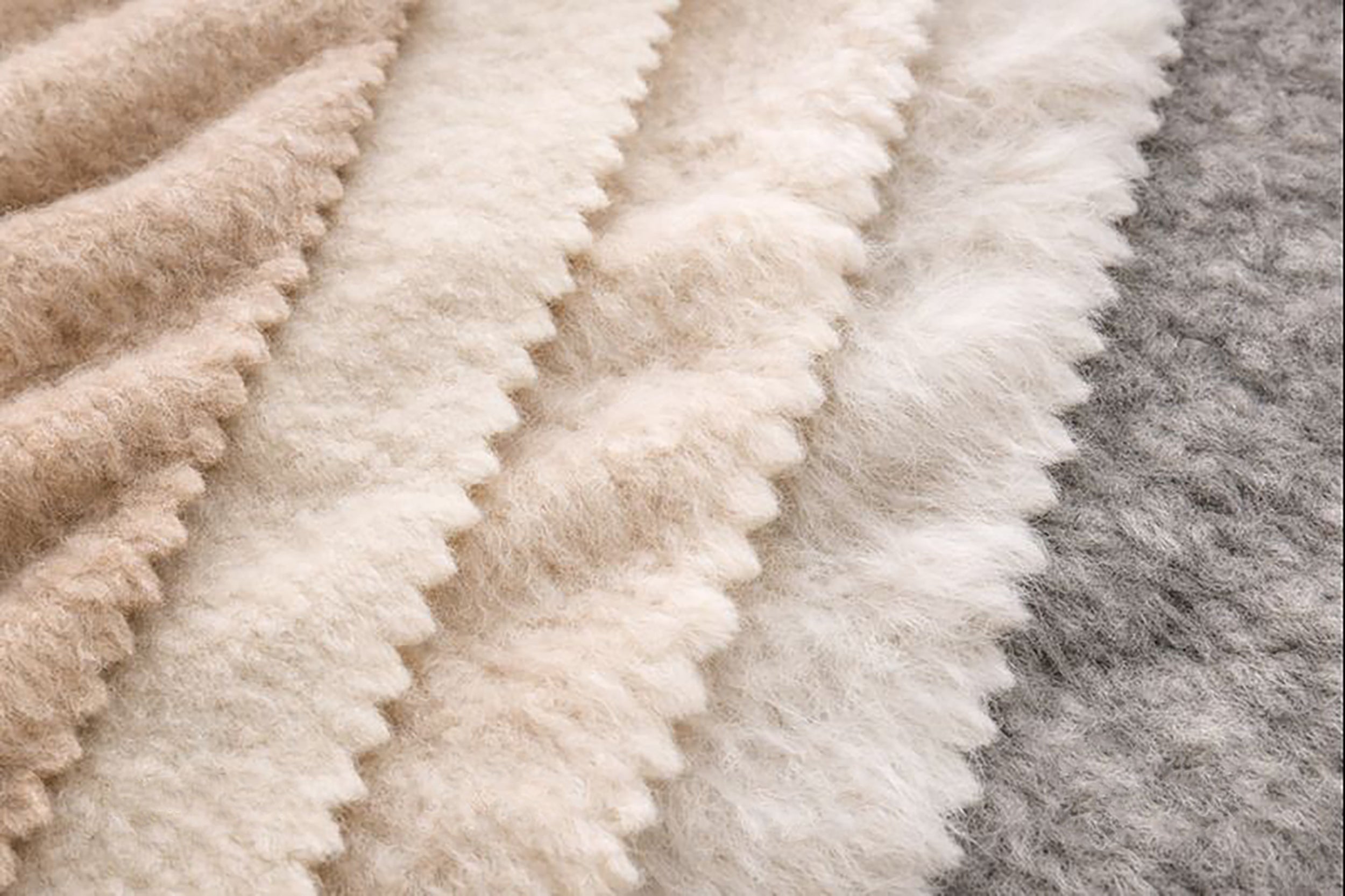
Five animal fibres, five different temperaments
Softness in knitwear is often spoken about as a single quality. In practice, it is a combination of origin, fibre length, scale structure, spin, and how different wool fibres are expected to live over time. Cashmere, merino wool, mohair, and raccoon wool are frequently grouped together, yet they respond to wear in distinct ways. They are not interchangeable, even when they appear similar on a hanger.
What follows is not a hierarchy of the best wool for knitwear, but a reading of character.

Cashmere
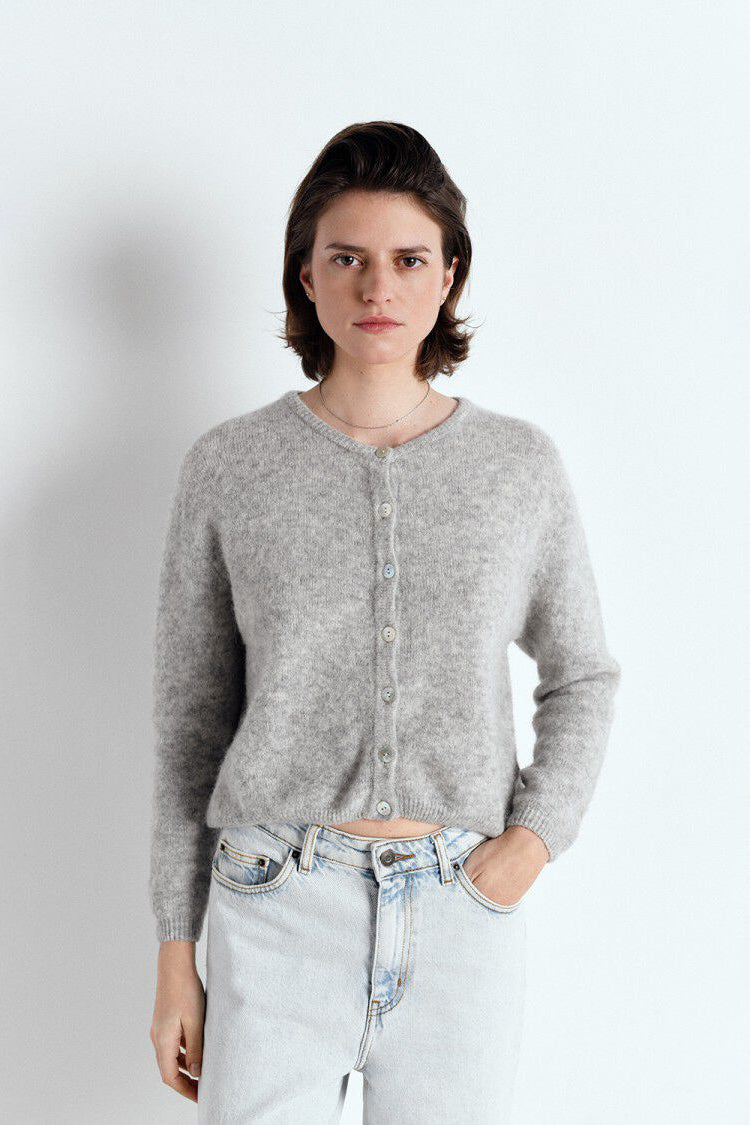
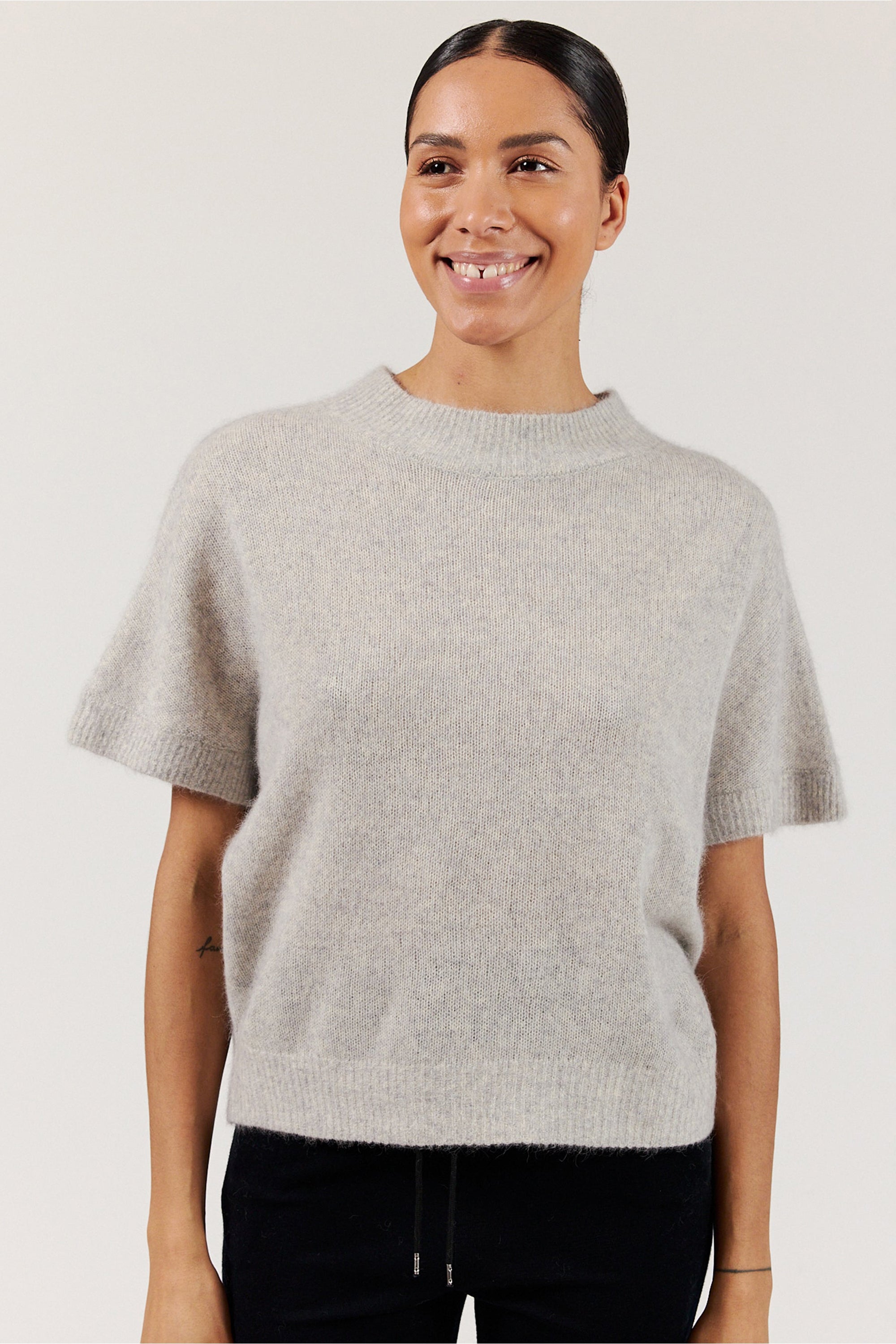
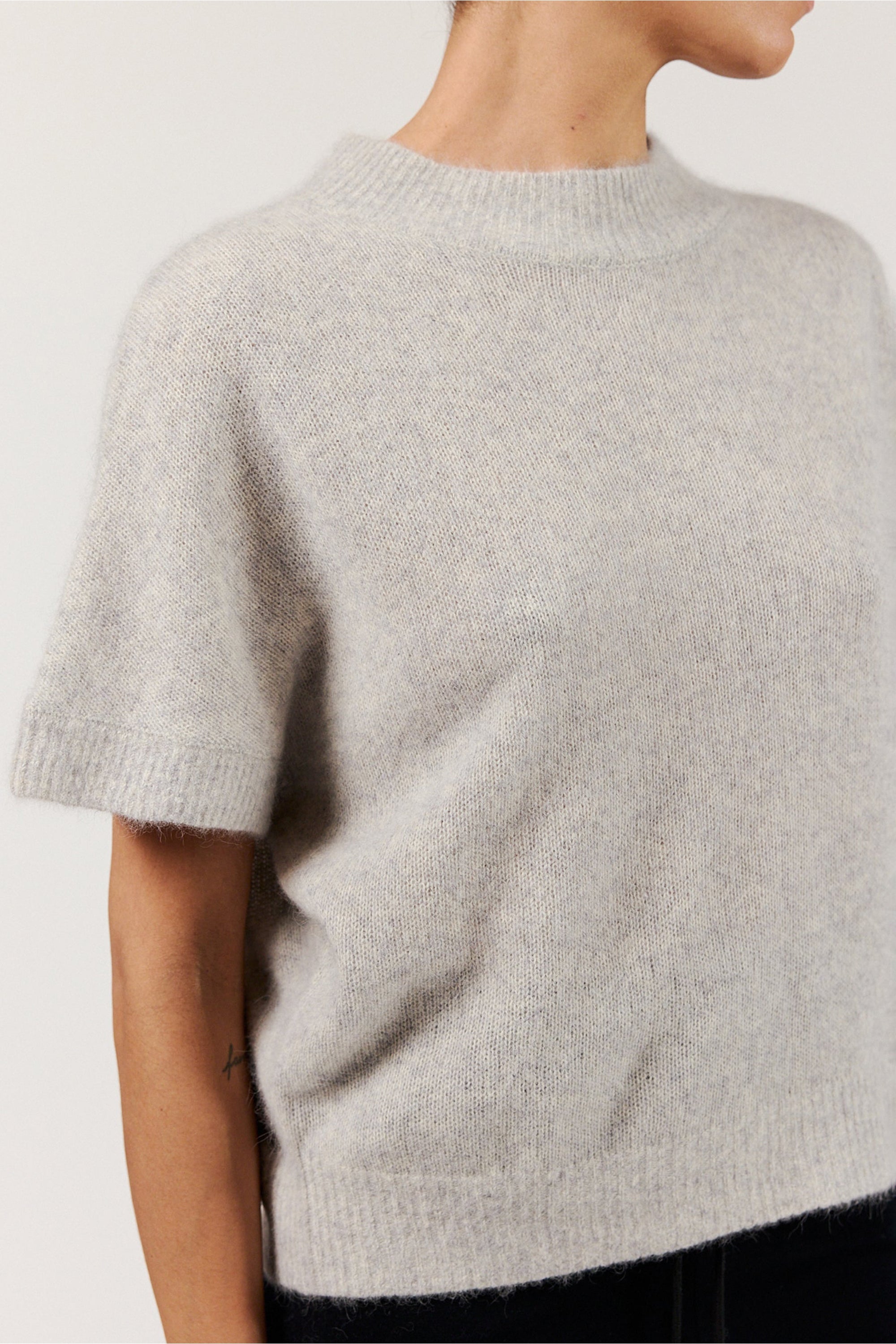
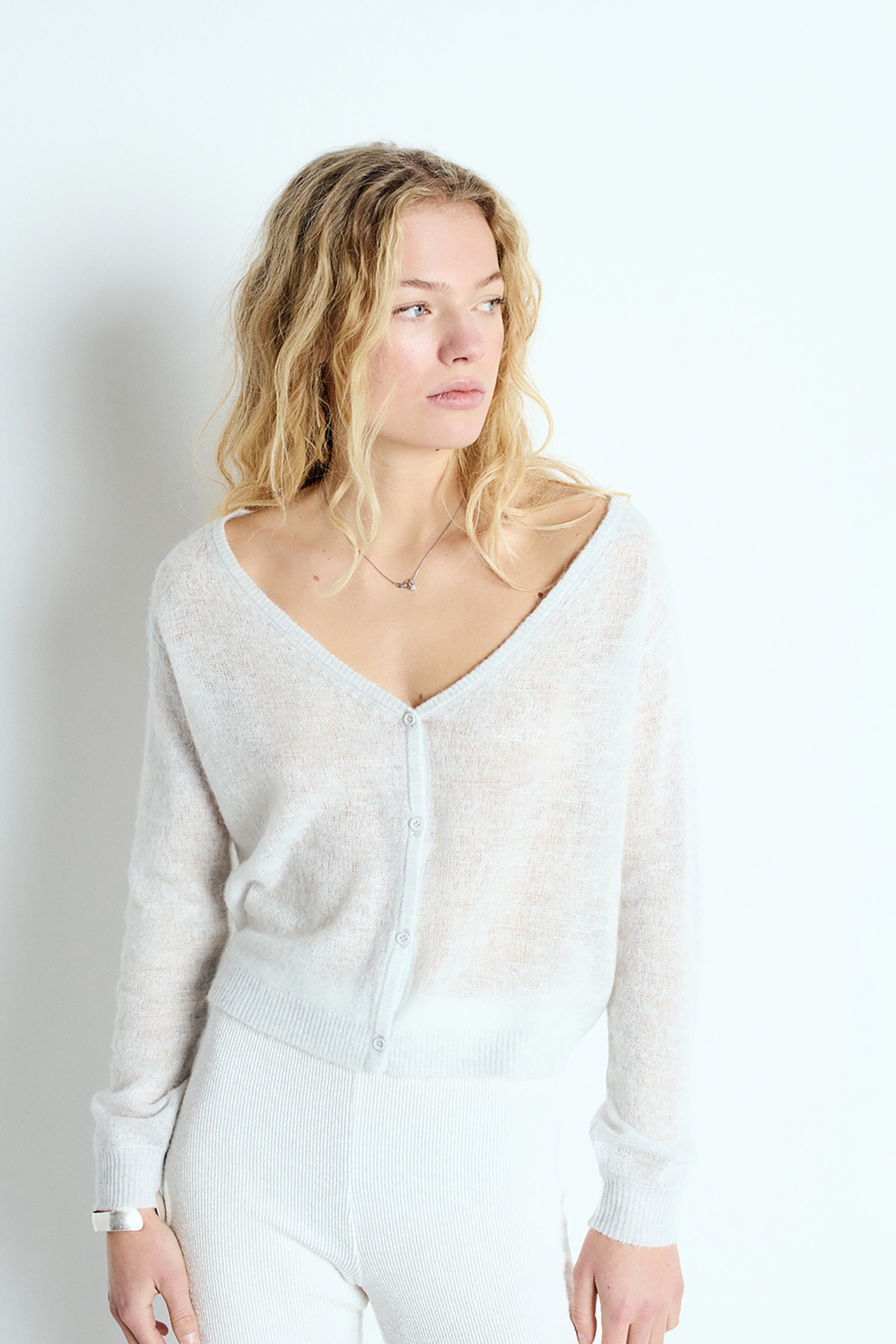
Lightweight insulation with immediate softness. Cashmere knitwear is prized for warmth without bulk, but its long-term character depends on fibre length, spin, and how gently it is worn.

Merino
A fine wool designed for regular wear. Merino knitwear balances softness, temperature regulation, and durability, making it one of the most reliable fibres for everyday use.

Alpaca
Naturally warm, light, and smooth. Alpaca wool offers insulation without heaviness, with a fluid drape and low pilling that suits relaxed, considered knitwear.

Mohair
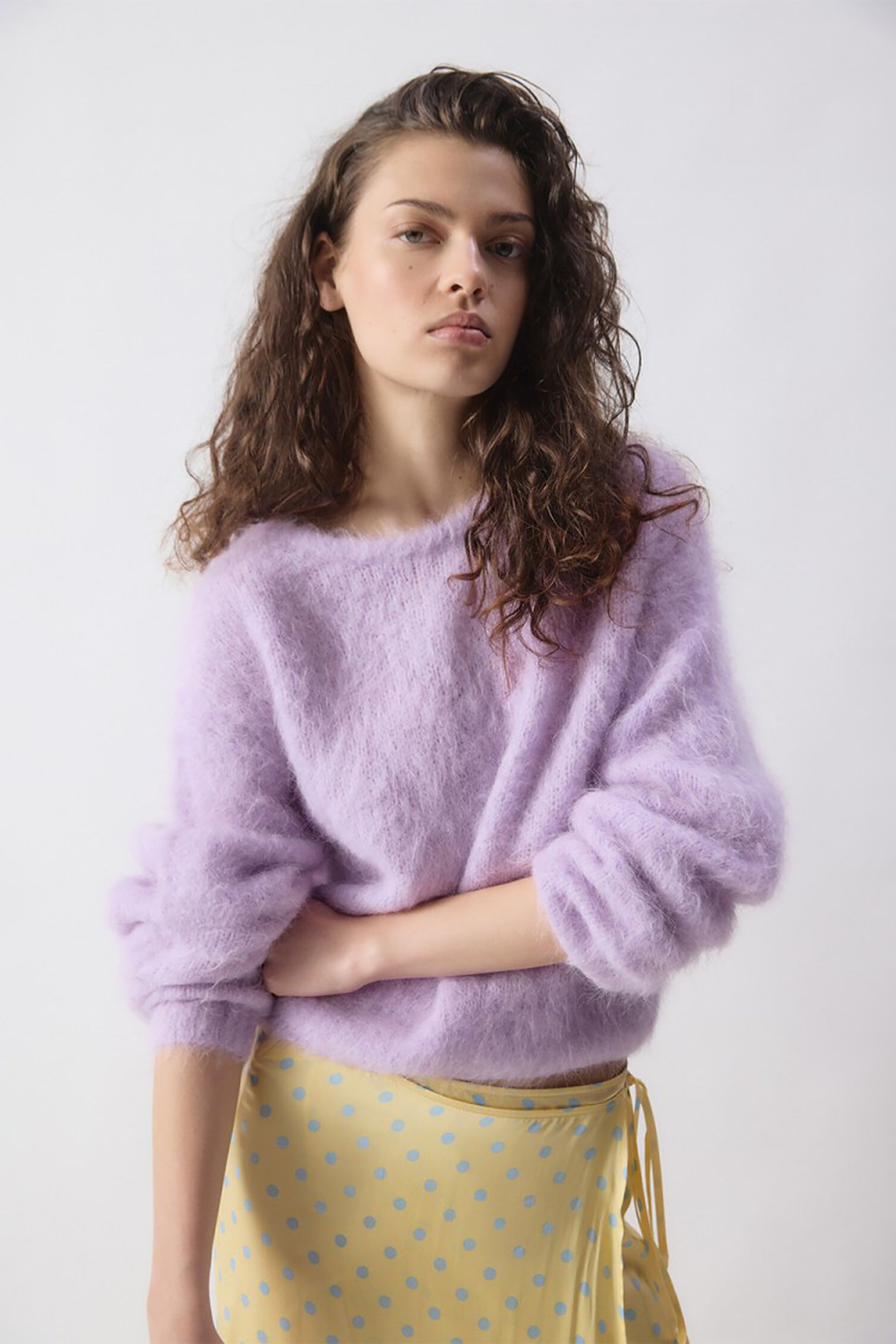
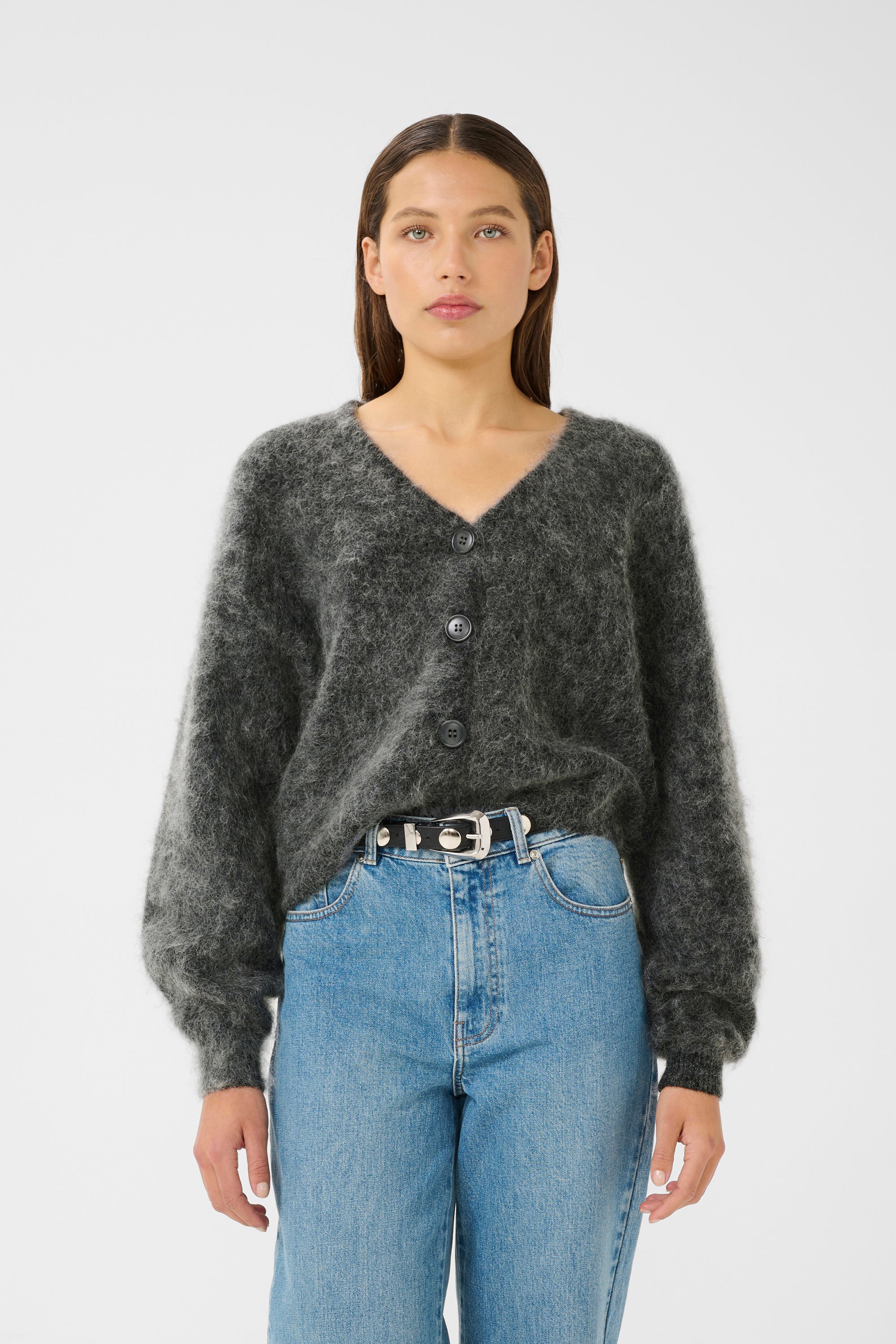
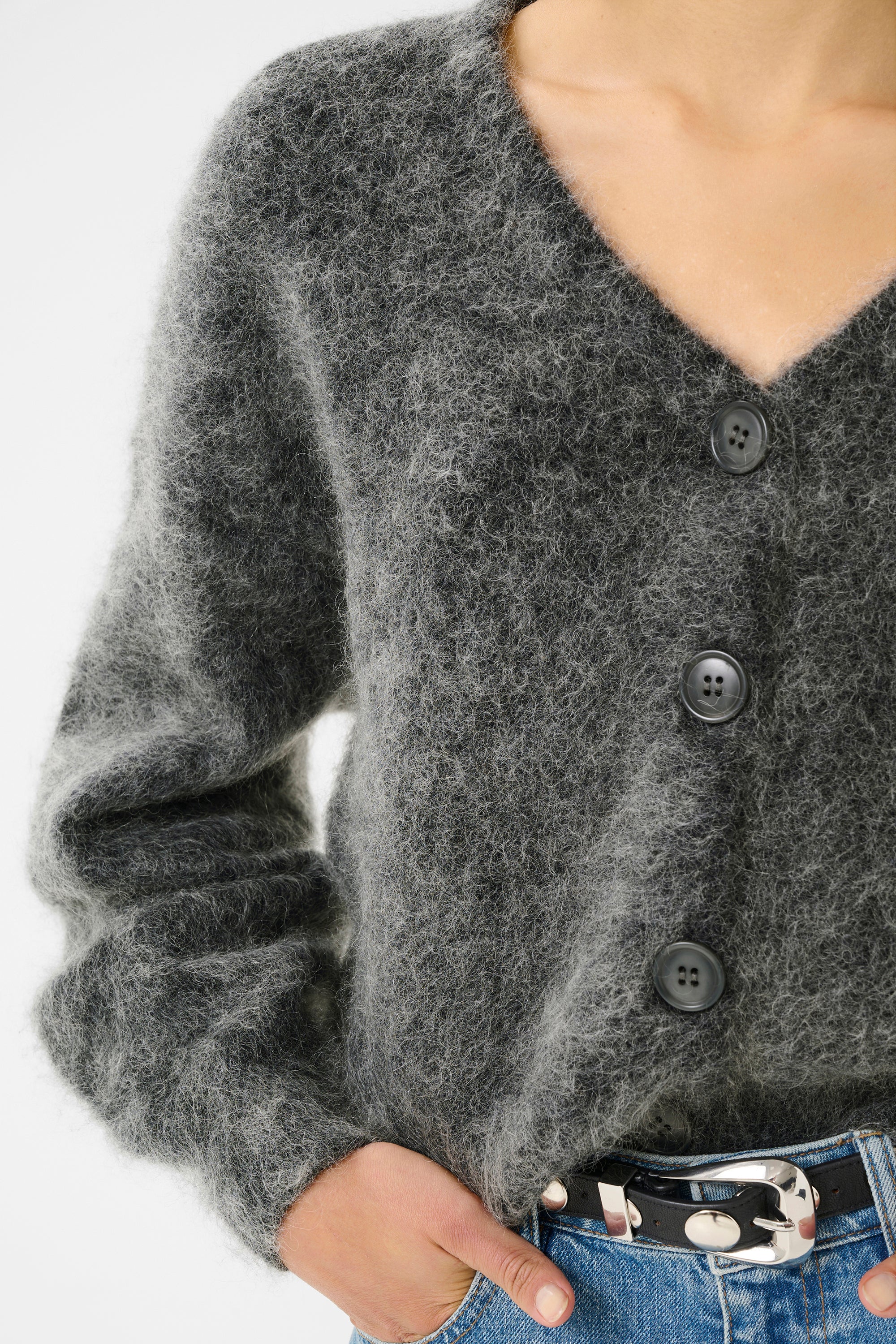
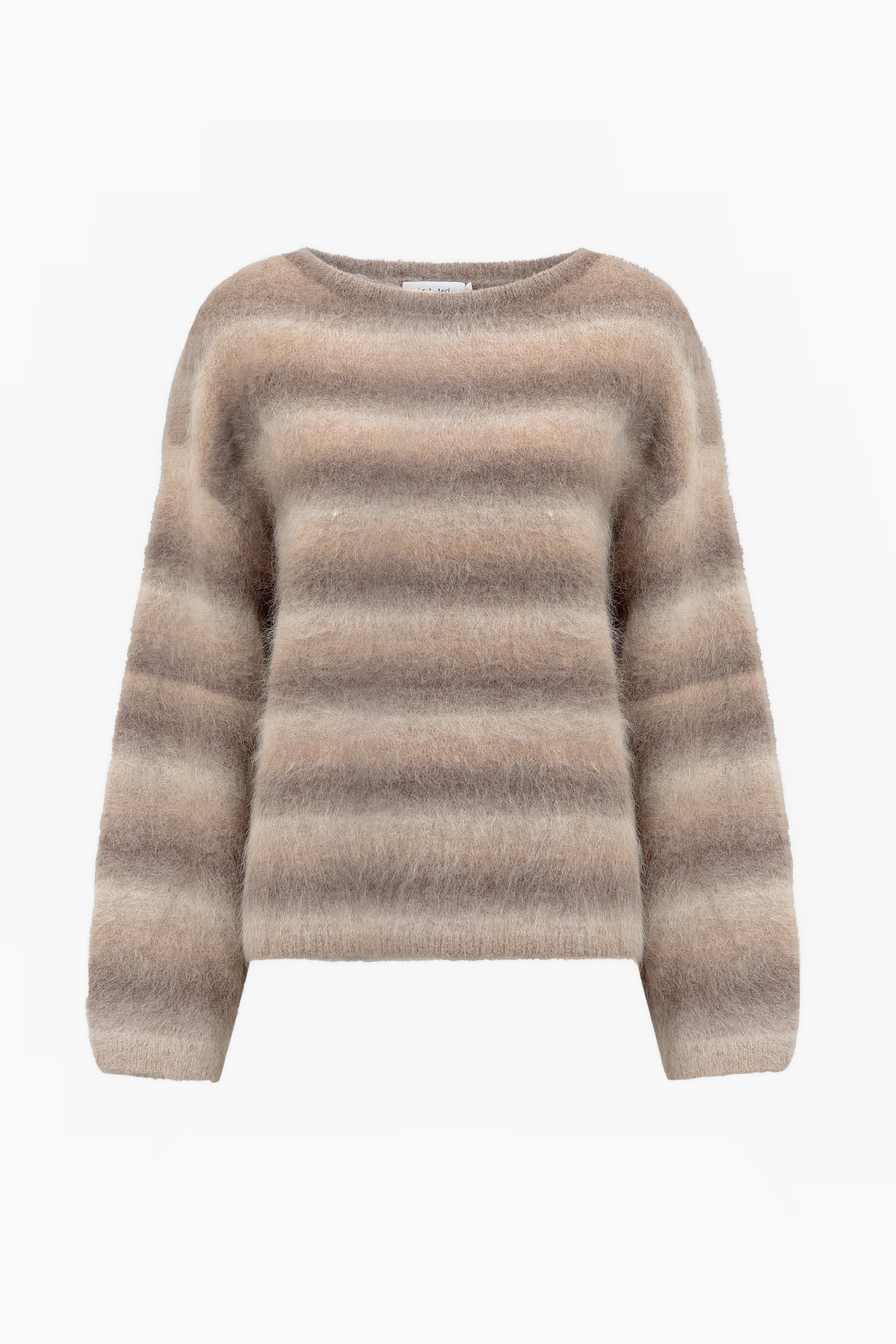
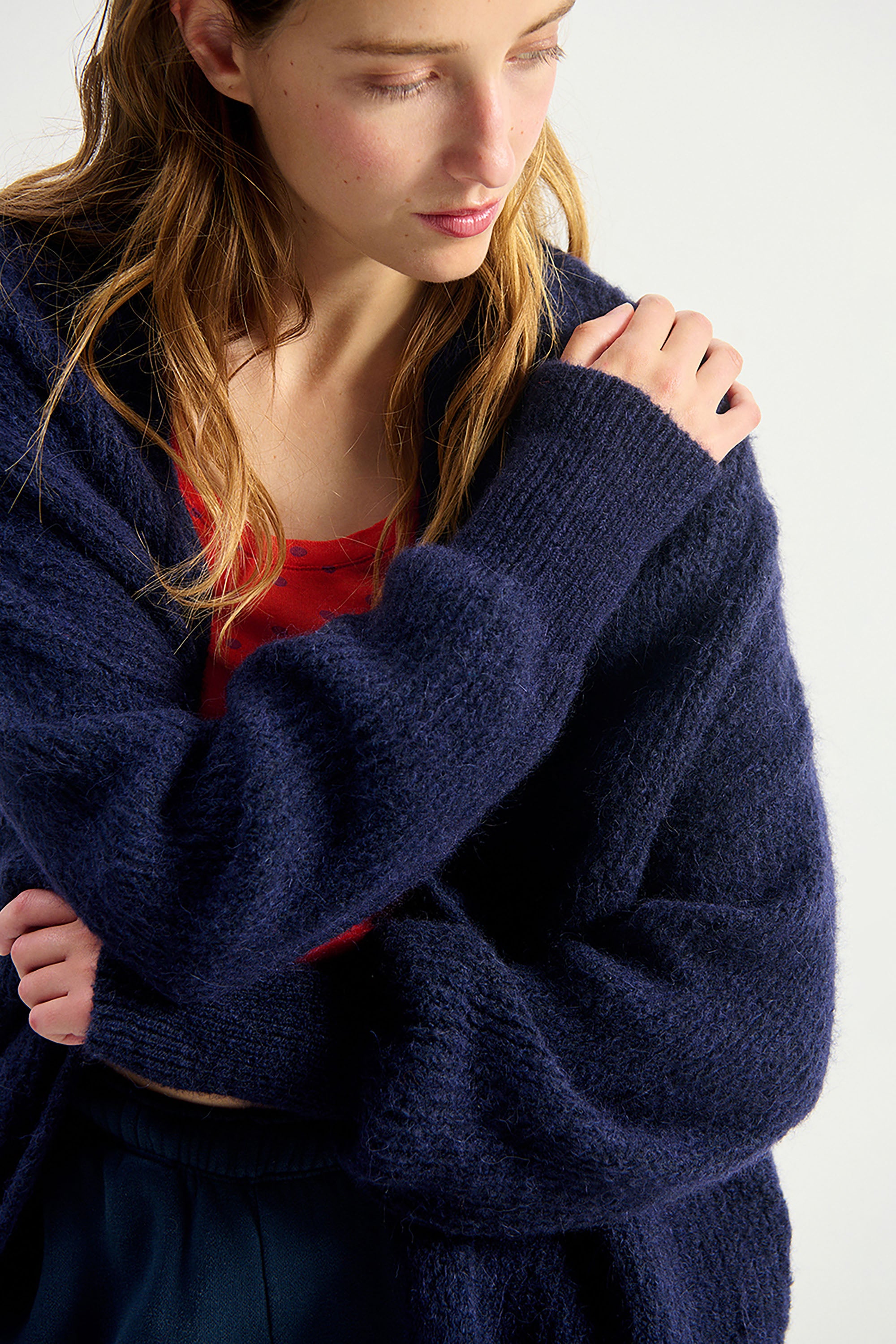
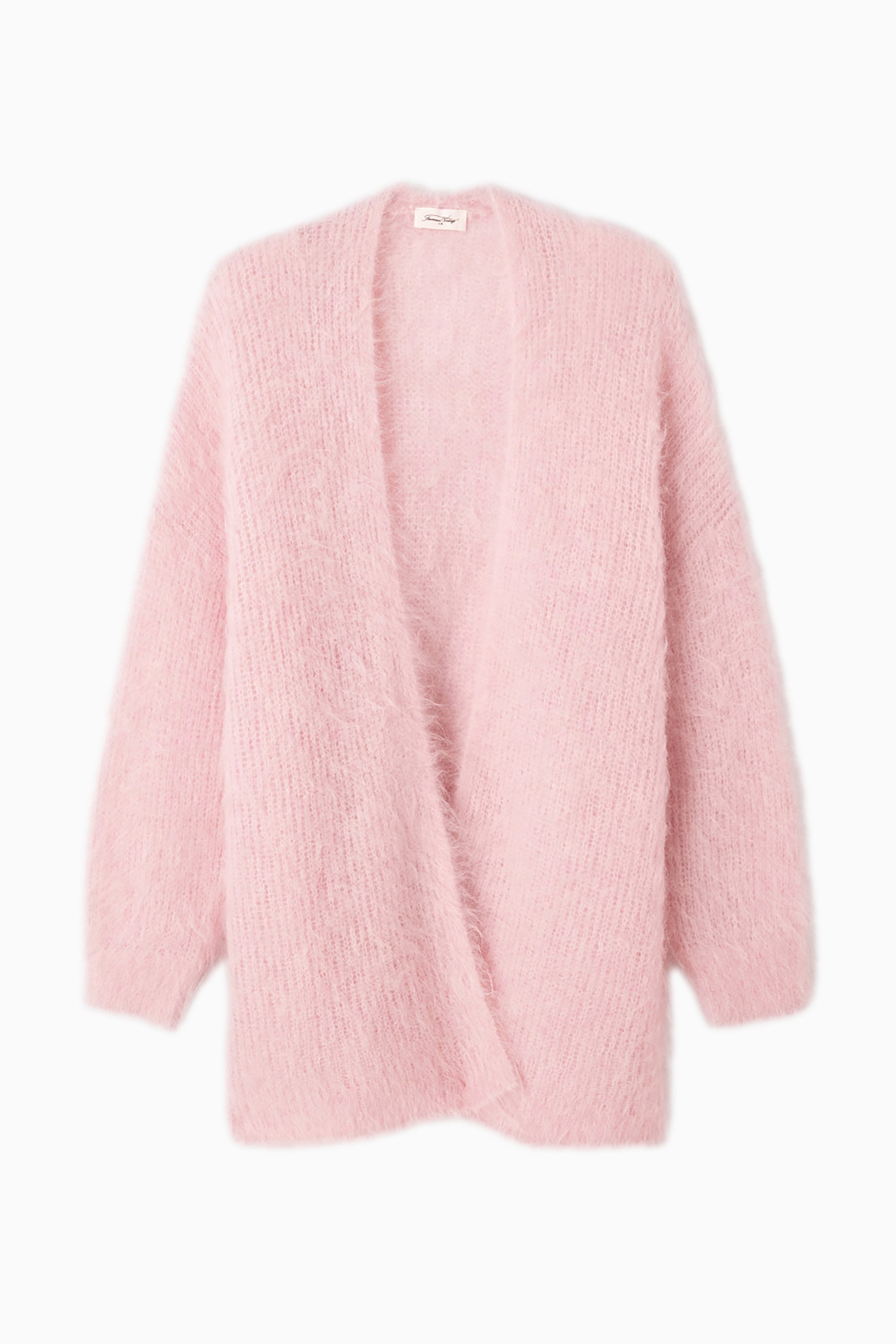
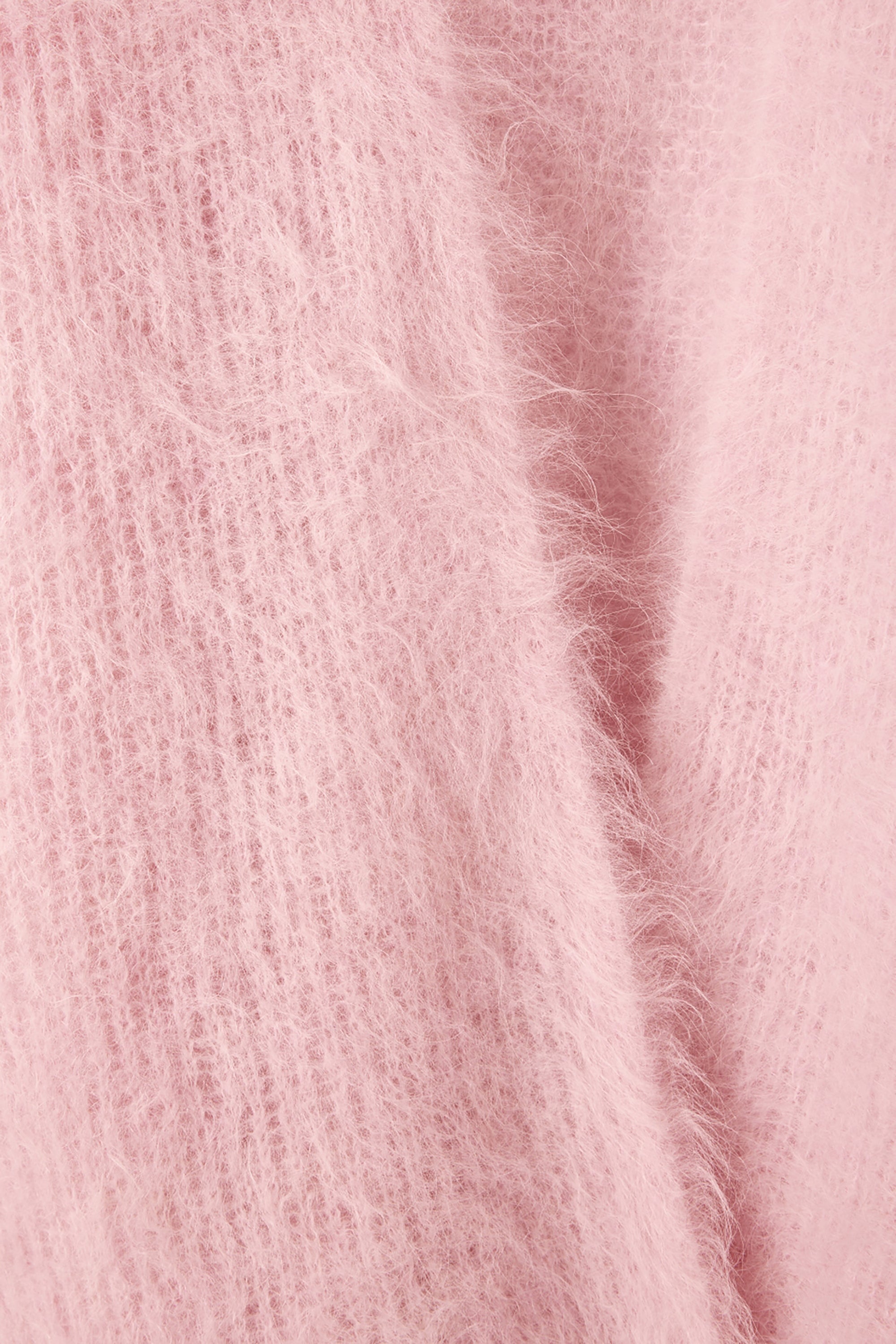
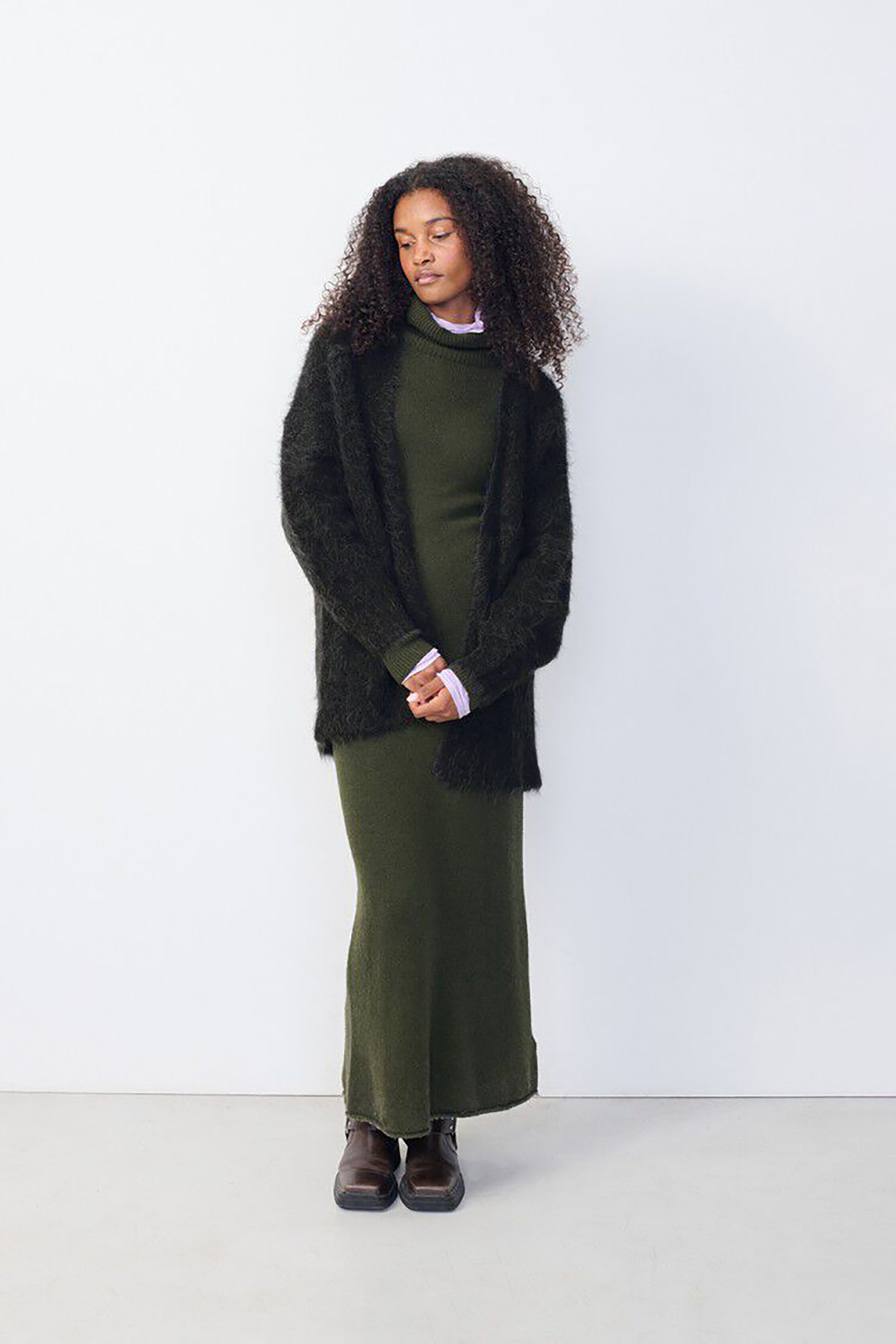
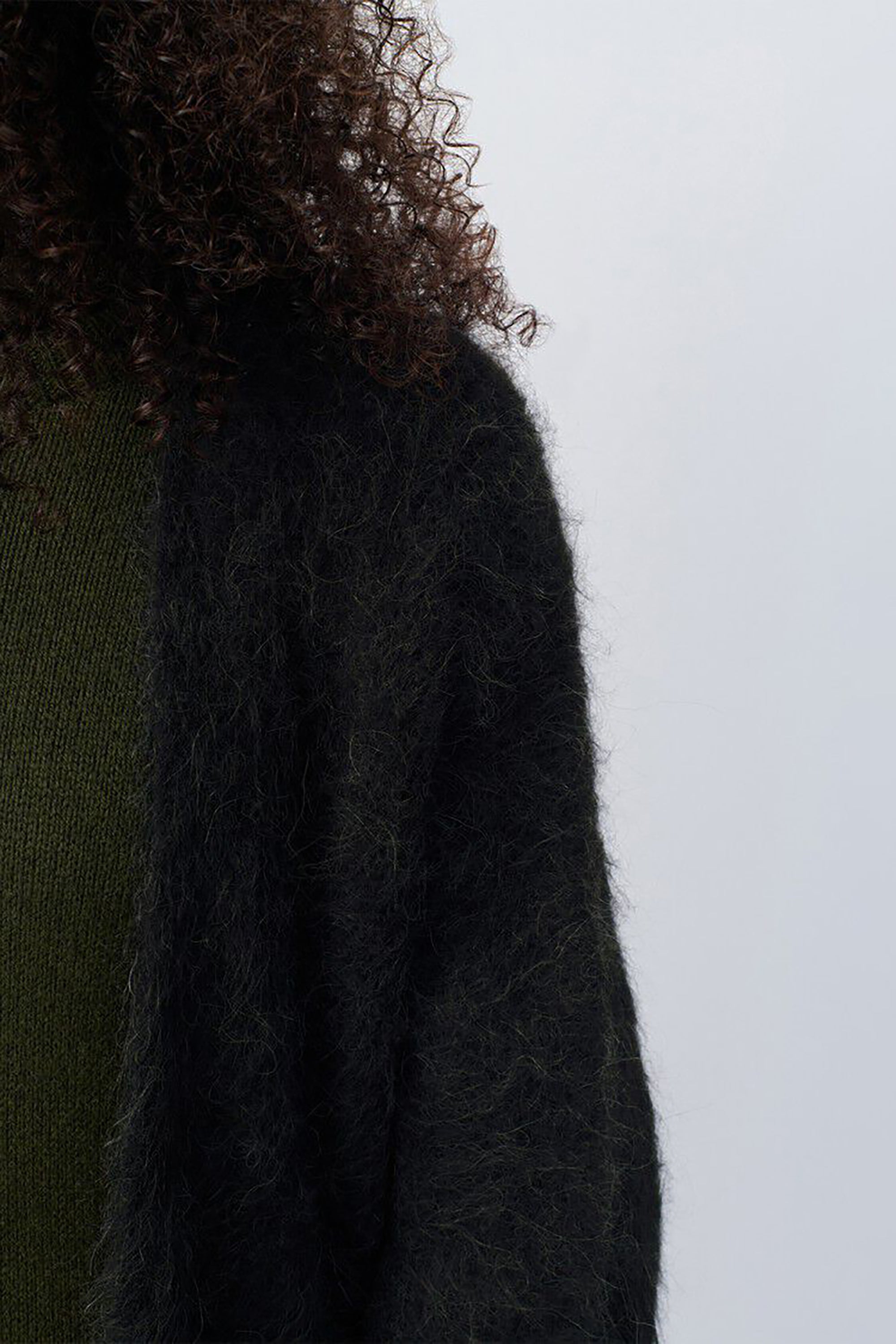
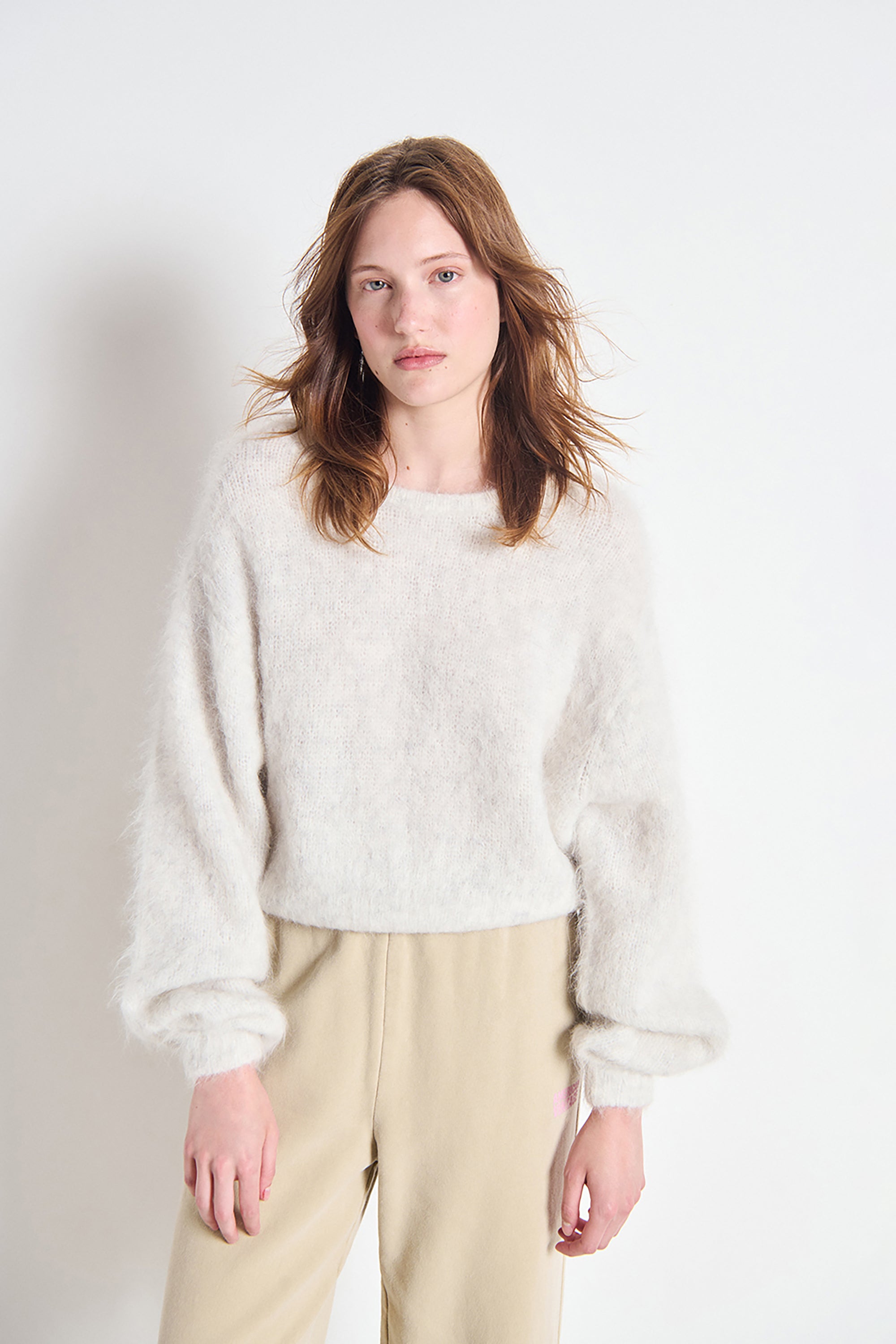
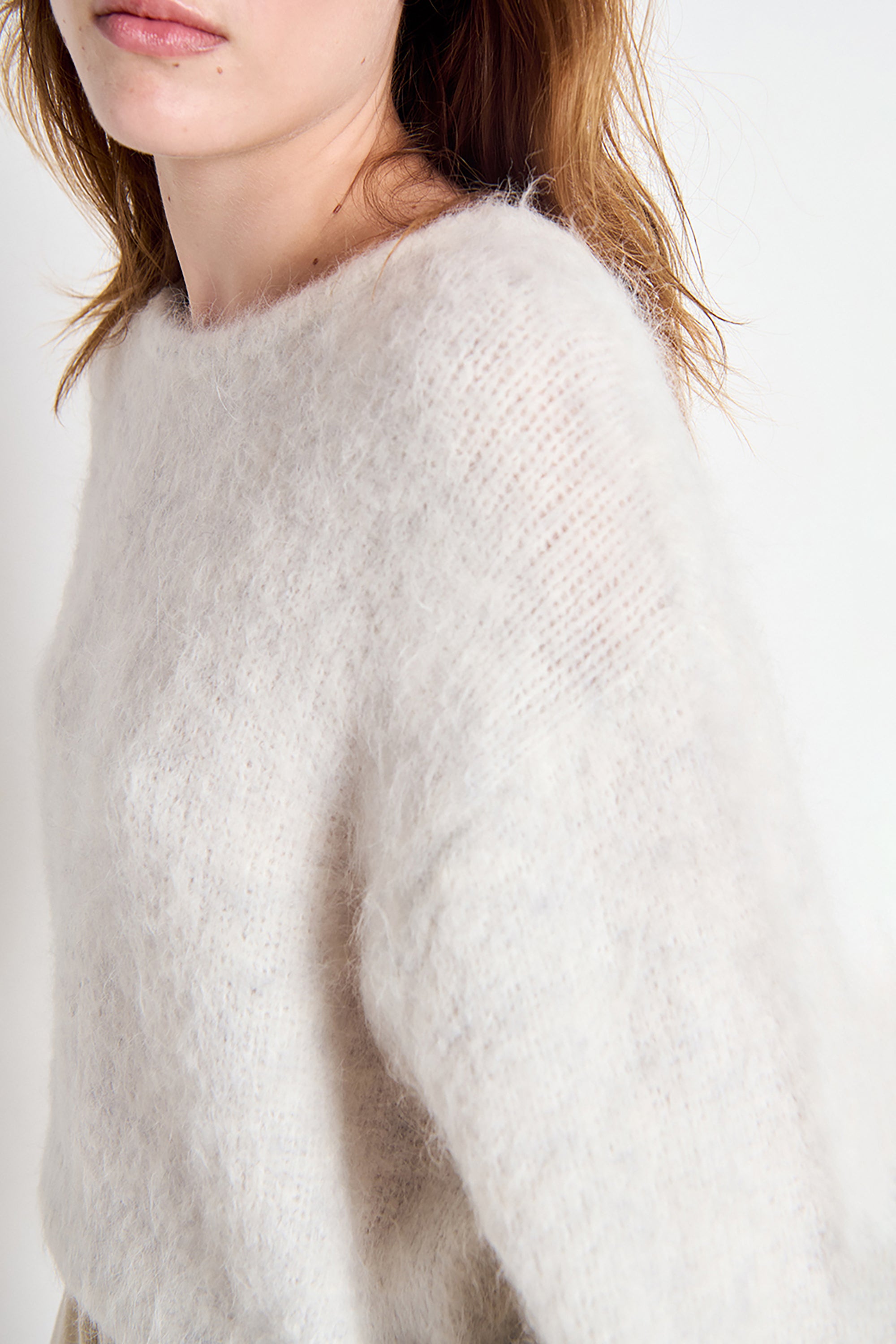
Airy, warm, and visually expressive. Mohair knitwear is defined by long fibres that create volume, reflect the light, and give structure rather than softness alone.

Raccoon
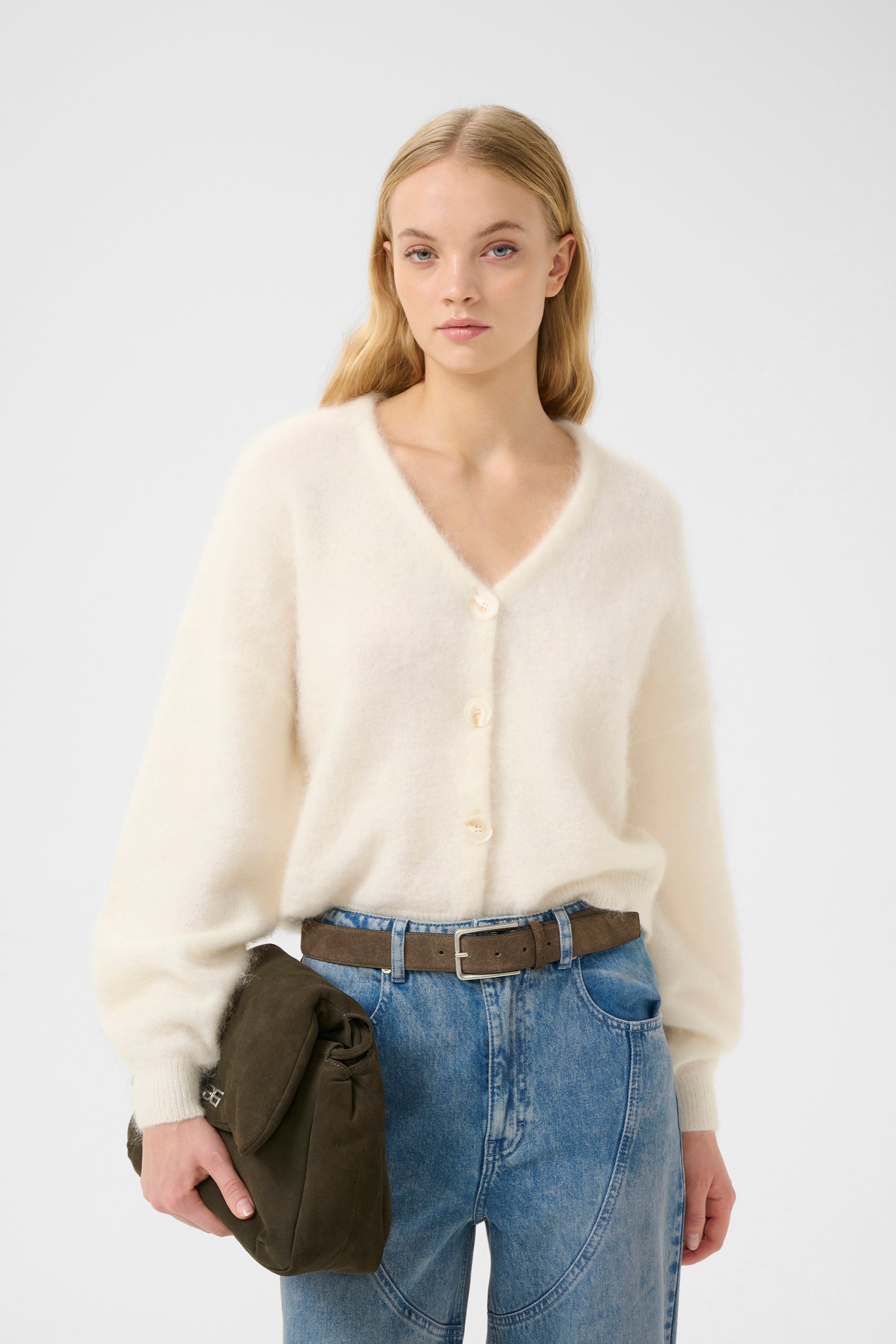
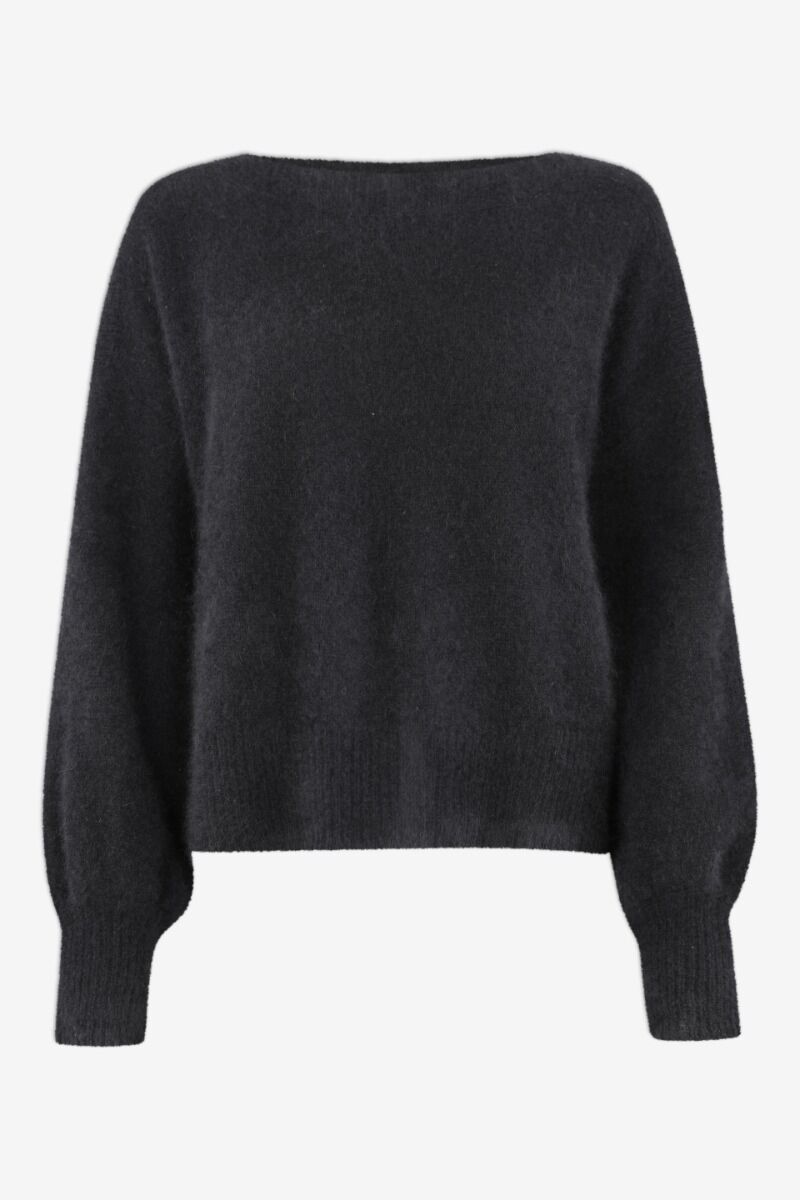
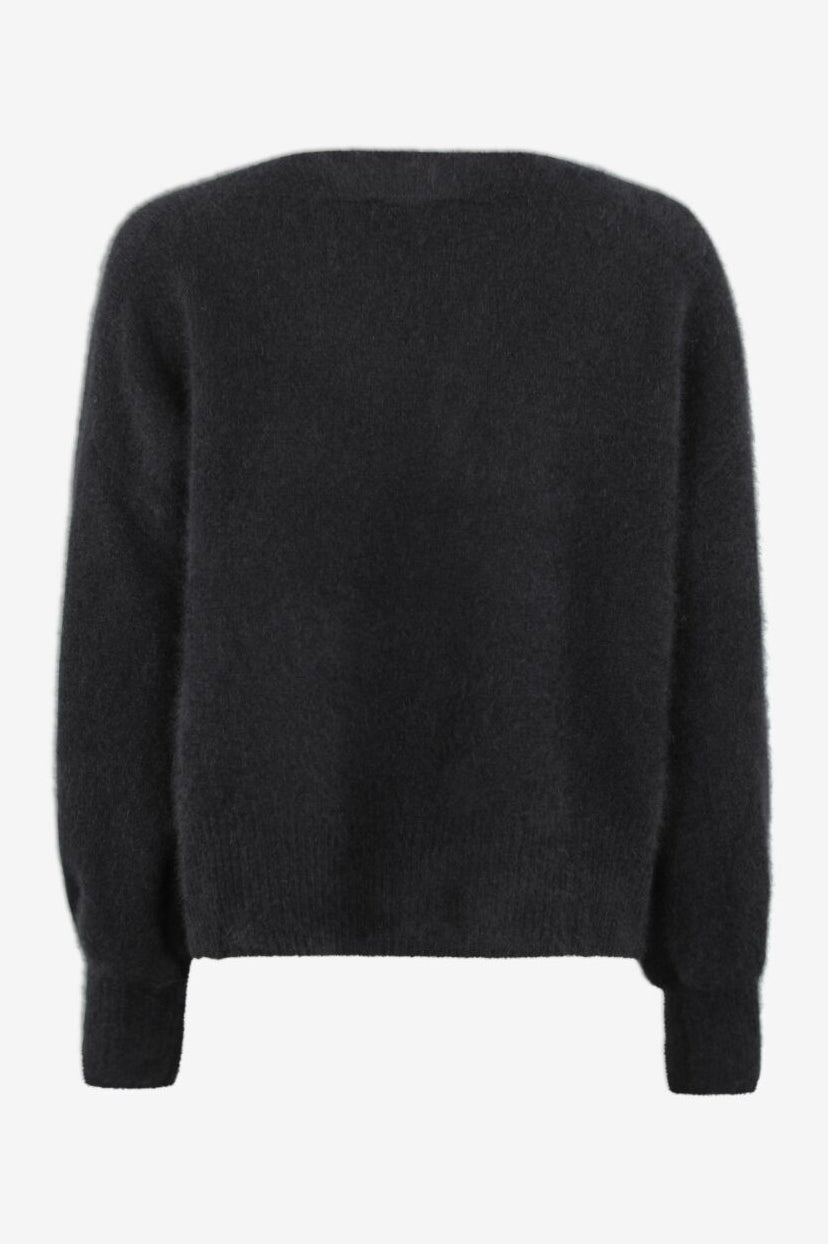
Plush warmth with a relaxed feel. Raccoon wool knitwear combines softness and heat retention, often blended with other fibres for balance and durability.
Cashmere
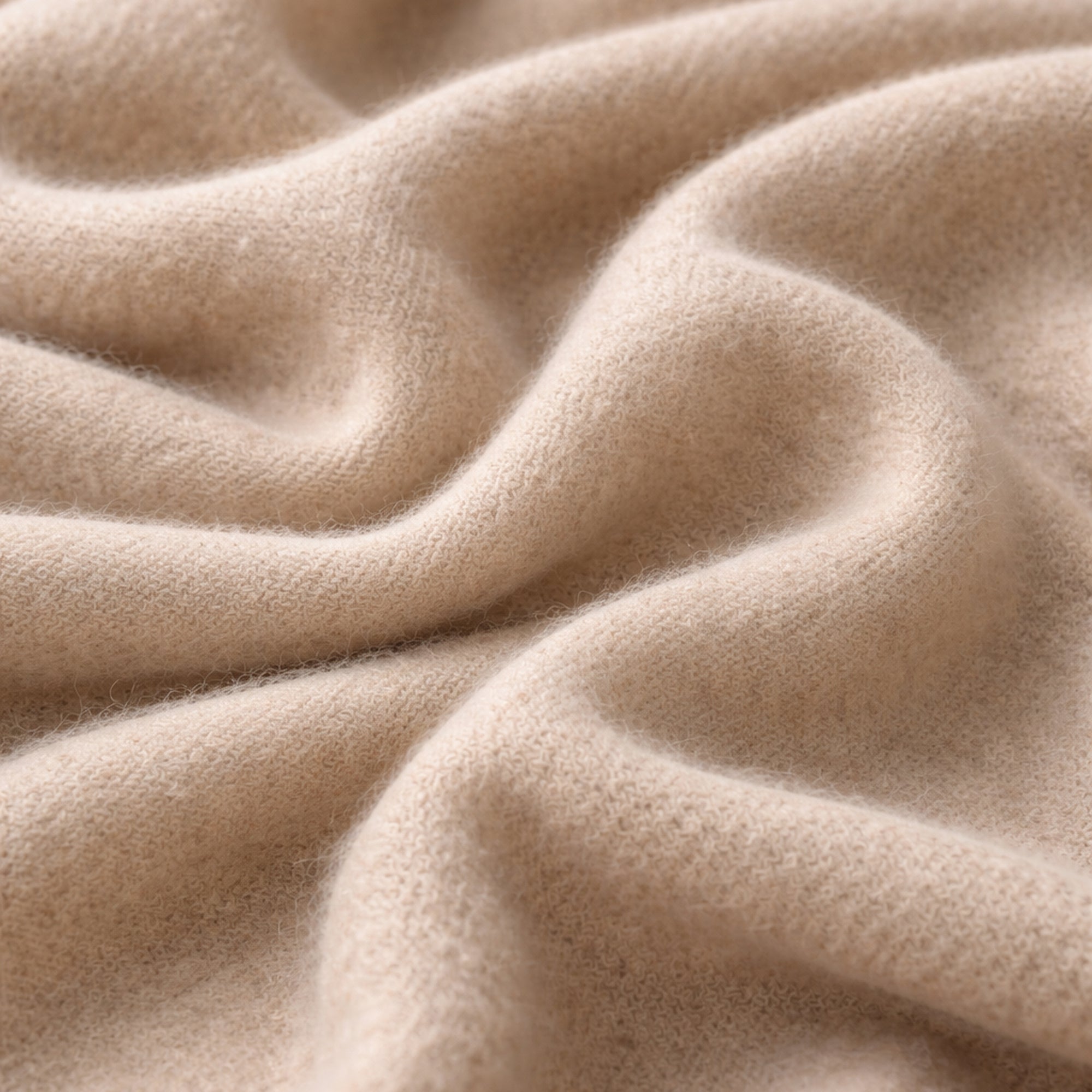
Cashmere comes from the fine undercoat of goats raised in cold, dry regions such as Mongolia, Inner Mongolia, and parts of Iran. The fibres are short, exceptionally fine, and naturally insulating. Cashmere warmth comes with very little weight, which explains its long association with light layers rather than heavy wool knits.
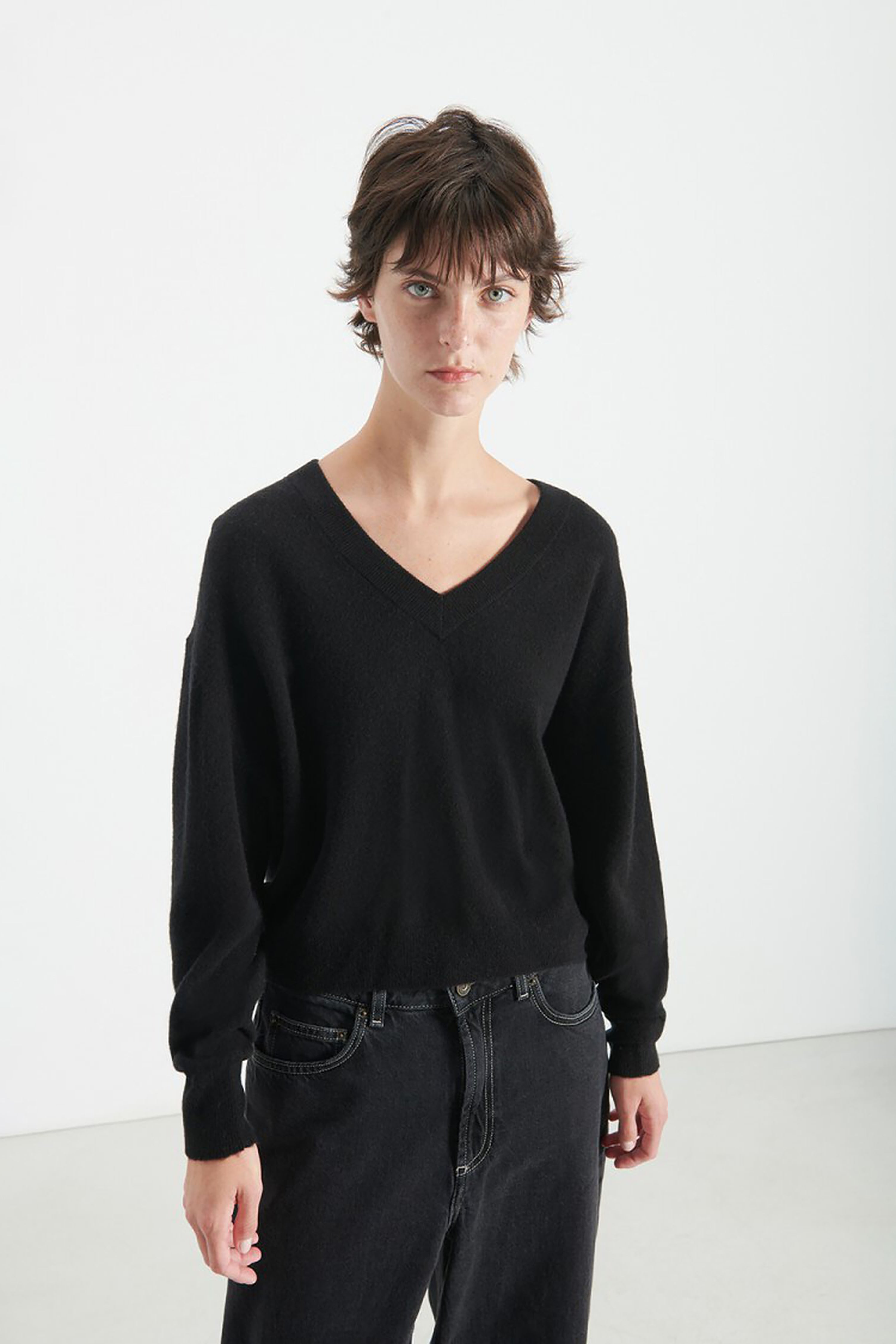
At its best, cashmere feels immediately soft, almost yielding. That softness is also its weakness. Short fibres pill more easily, especially in areas of friction, and repeated washing can flatten the surface, affecting both durability and long-term appearance. How cashmere performs over time depends less on initial softness and more on fibre length and spin quality.
Care needs to be deliberate. Gentle washing, infrequent cleaning, rest between wears. Price reflects scarcity and labour, but also wide variation in quality. Cashmere ranges from fragile indulgence to quietly practical, depending on sourcing and construction.
Cashmere works when warmth is needed without bulk, and when the garment is allowed to age slowly rather than perform daily.
Merino
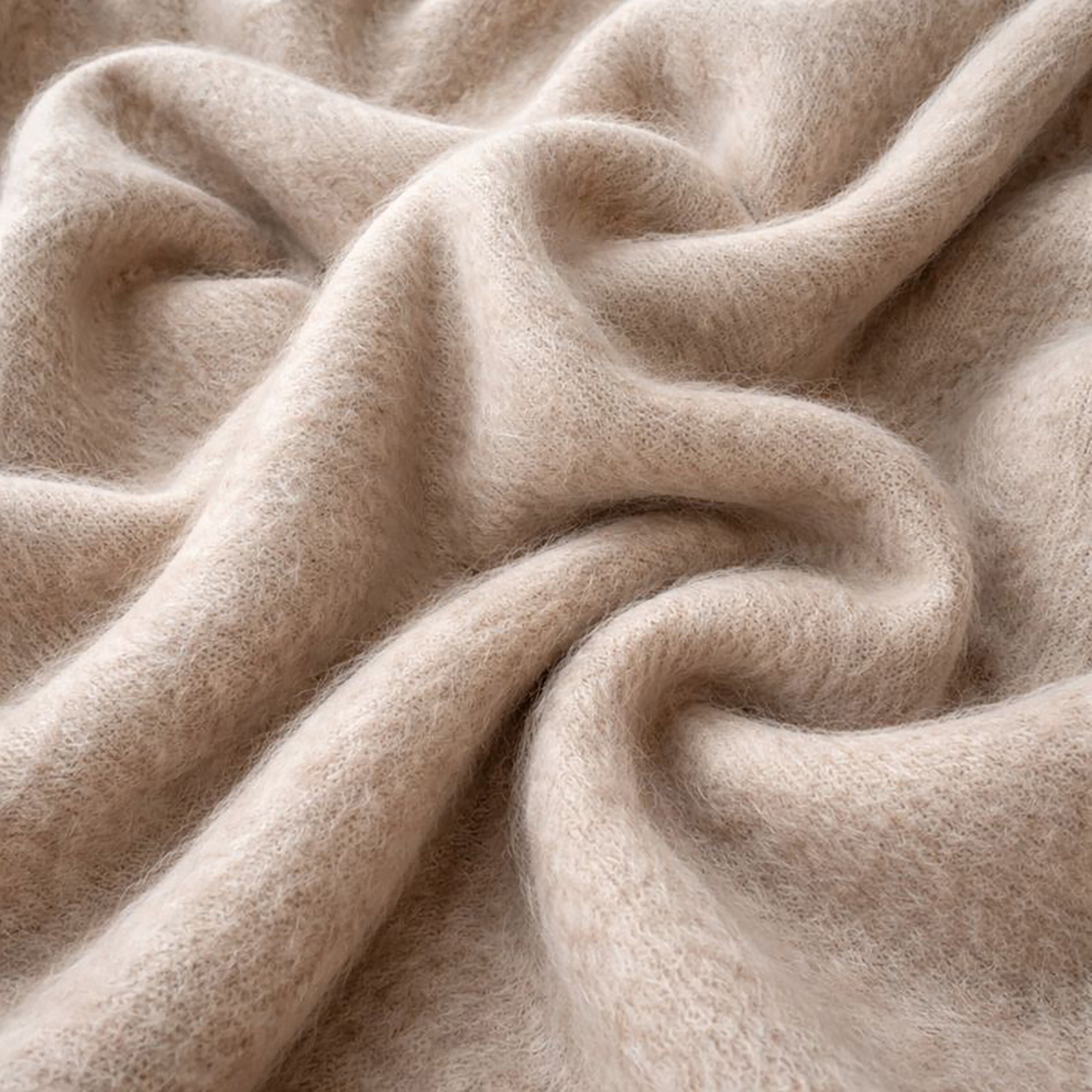
Merino wool is taken from merino sheep, primarily raised in Australia, New Zealand, and parts of Europe, and is often discussed alongside cashmere in knitwear. Compared to traditional wool, merino fibres are finer and more flexible, which reduces itch and increases comfort against the skin.
Merino wool is less immediately soft than cashmere, but more stable in use. It regulates temperature well, holds its shape, and resists odour. Merino knitwear tolerates frequent wear and regular washing better than most animal fibres. Texture varies from smooth jersey to more structured rib and cable, depending on micron count and twist.
Merino rarely demands attention. It works across seasons, layers easily, and integrates without ceremony into daily wardrobes. Price remains comparatively accessible, especially when considered against longevity and ease of care.
If cashmere is about delicacy, merino wool is about consistency.
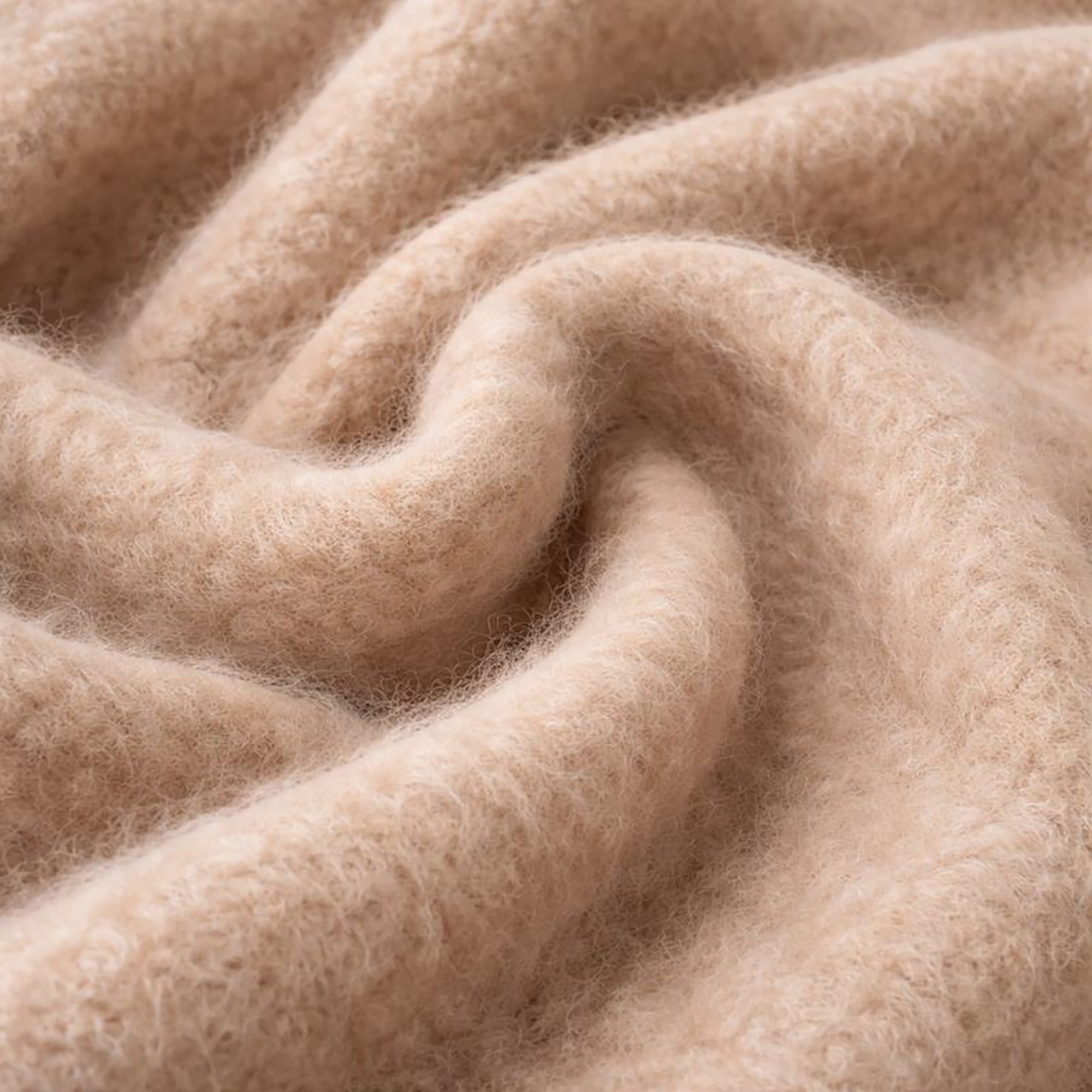
Alpaca
Alpaca wool comes from alpacas raised primarily in Peru and the Andean regions of South America. The fibre is long, smooth, and naturally hollow, which gives alpaca knitwear an efficient warmth without density. It insulates quietly, holding heat while remaining light on the body.
The hand is often described as soft, but it is a cooler, drier softness than cashmere. Alpaca lacks elasticity, which influences how garments drape and recover over time. Rather than springing back, it falls, creating a fluid line that feels relaxed rather than structured.
Long, smooth fibres mean alpaca pills very little. Shape retention depends on construction. Looser knits can lengthen with wear, while tighter gauges remain stable. Care is uncomplicated but restrained, minimal washing and time between wears allow the fibre to settle back into itself.
Alpaca works when warmth is needed without weight, and when softness is calm rather than indulgent.
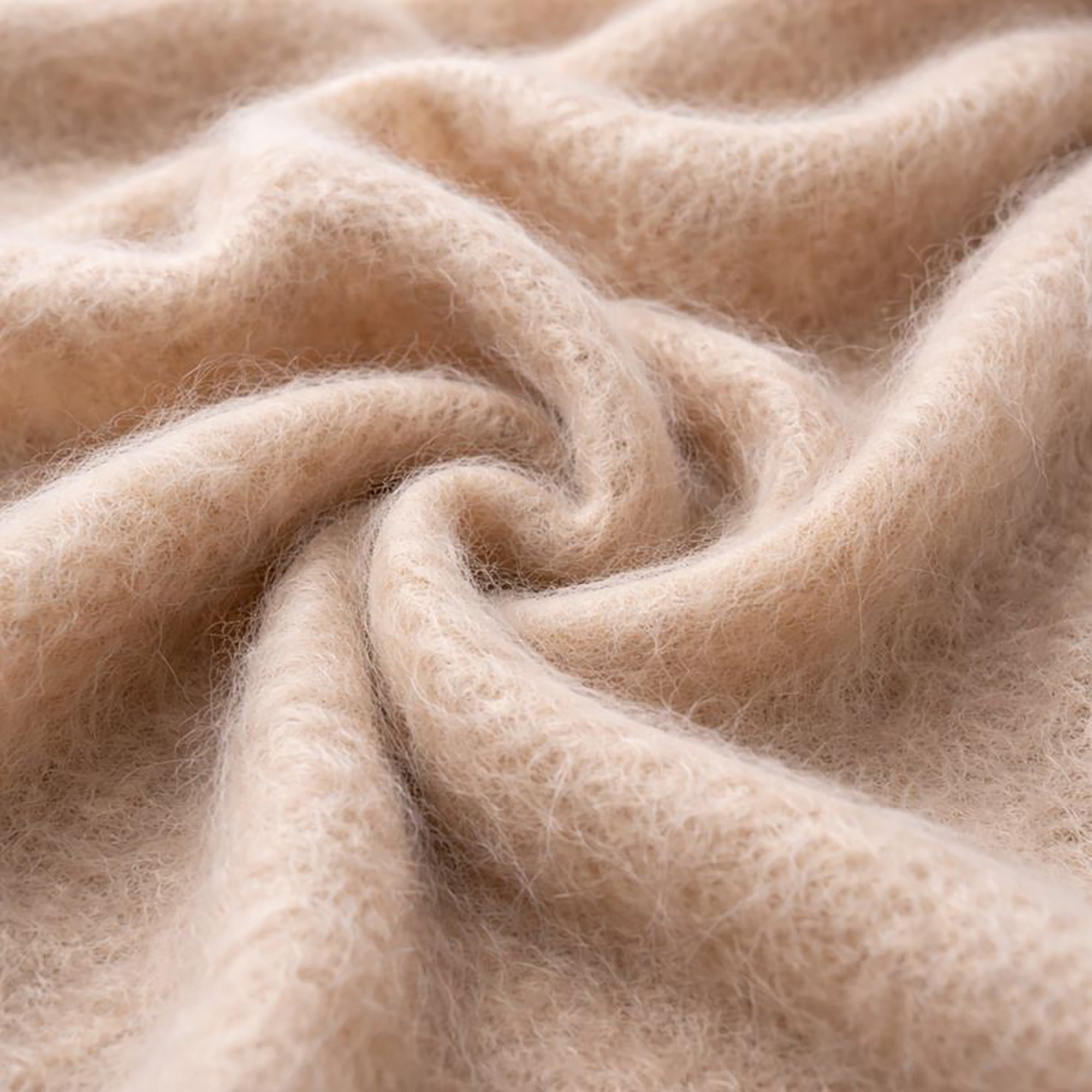
Mohair
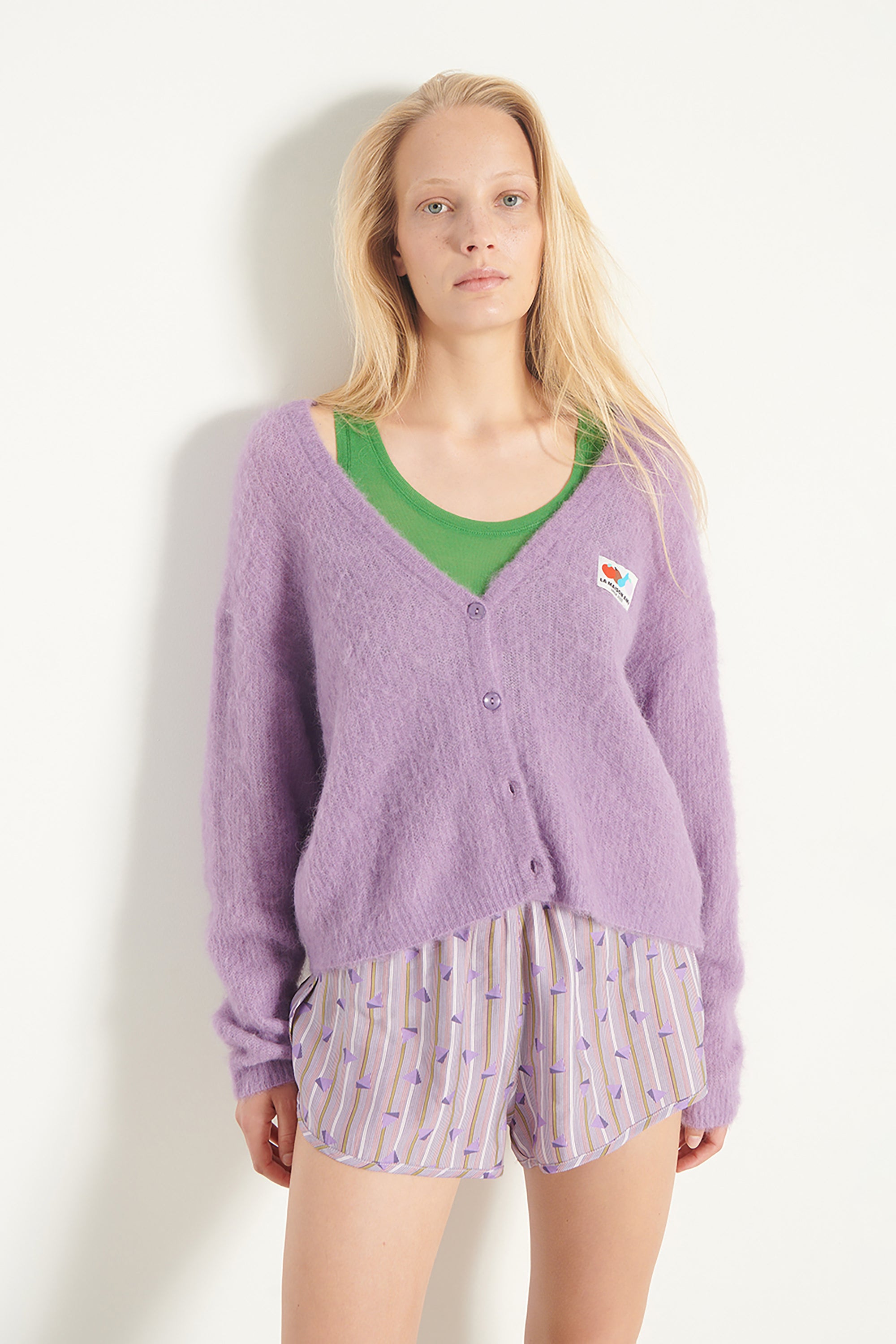
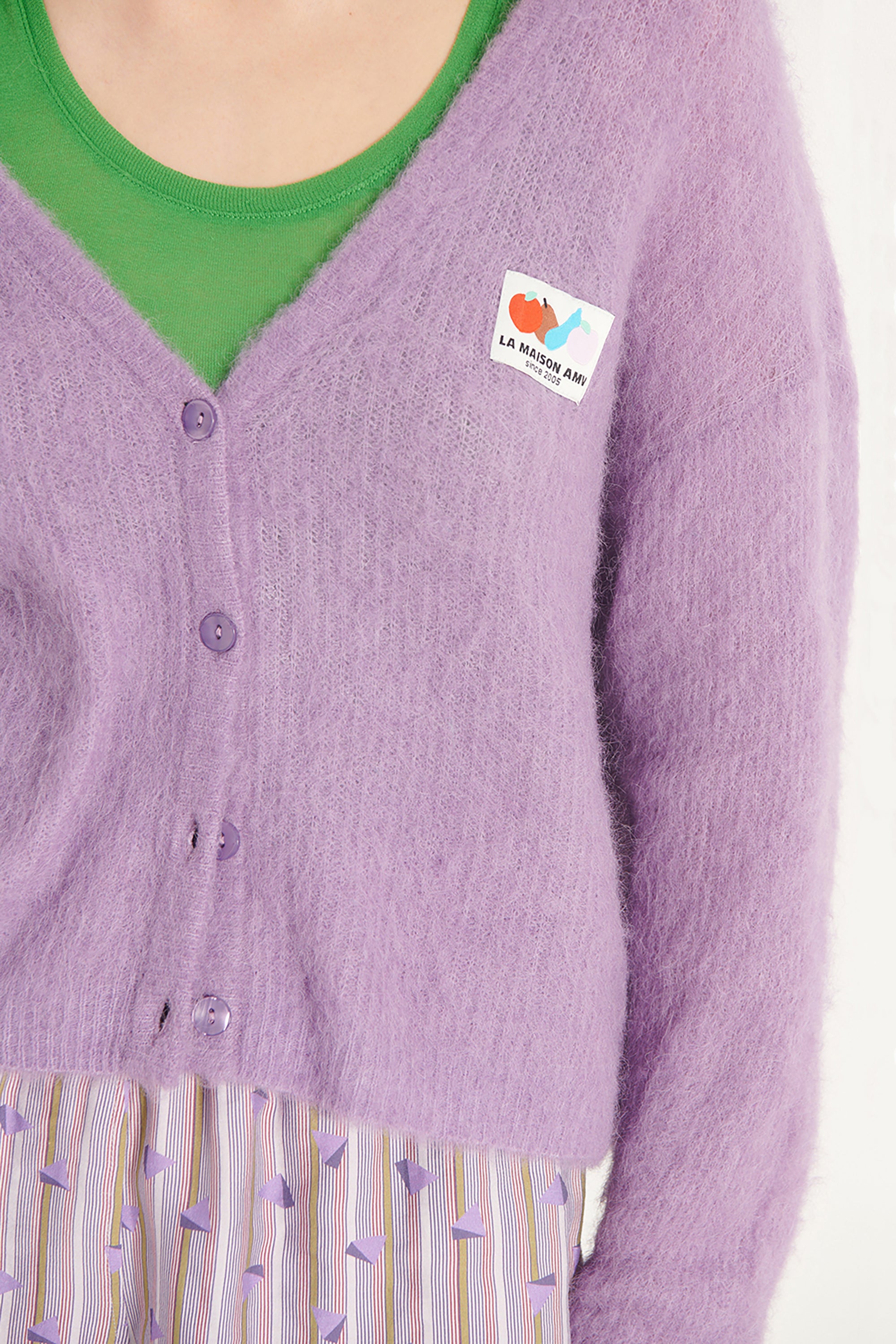
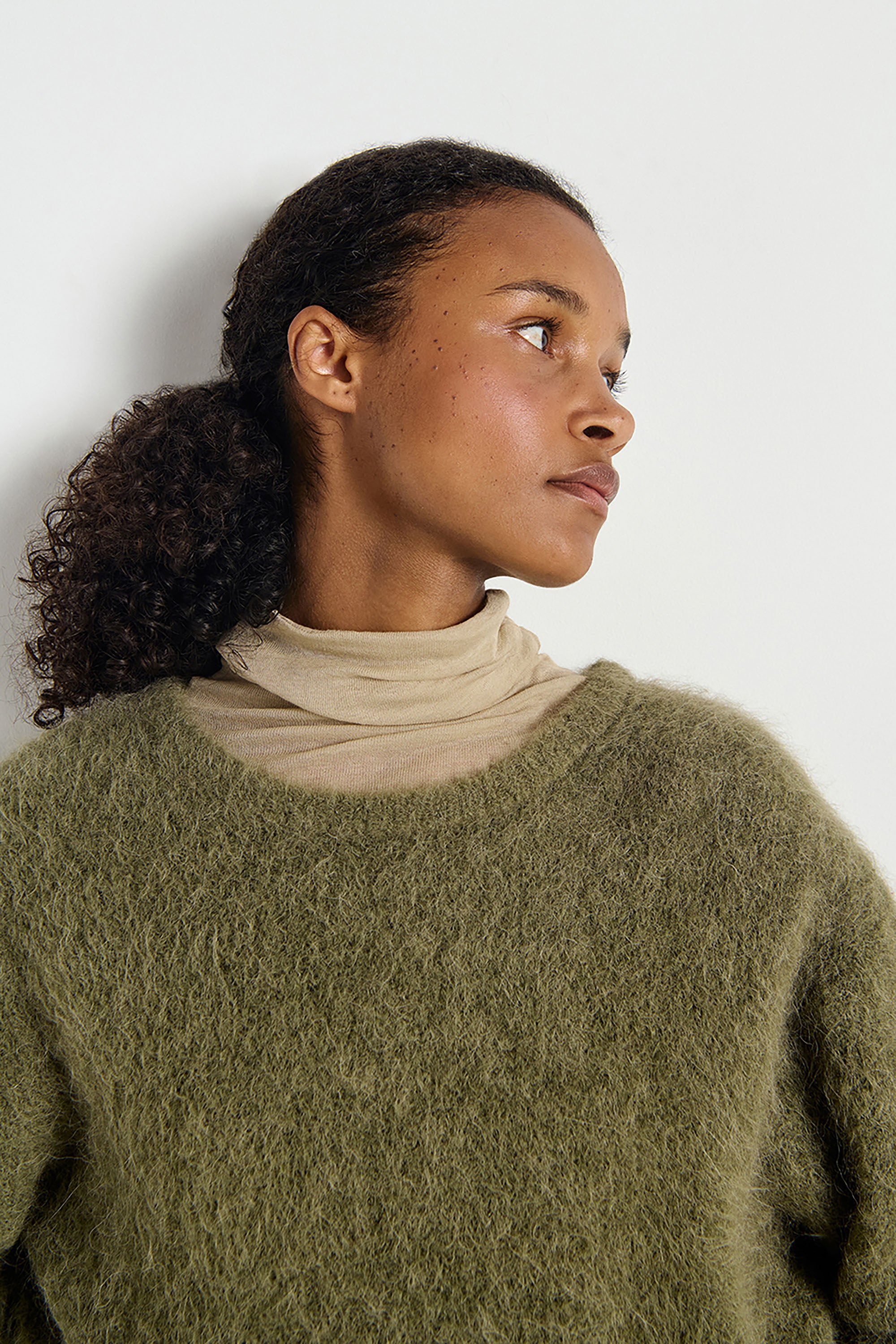
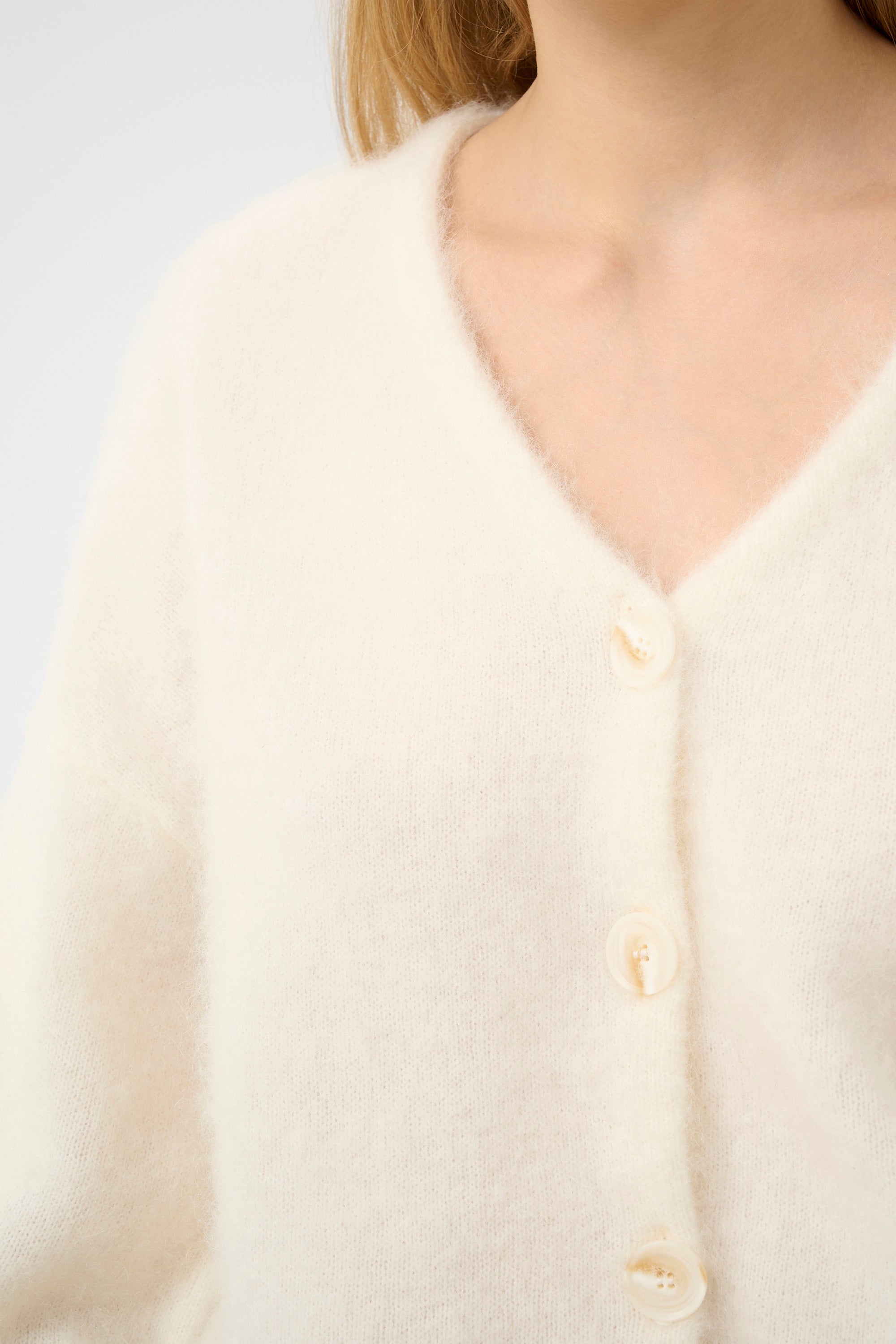
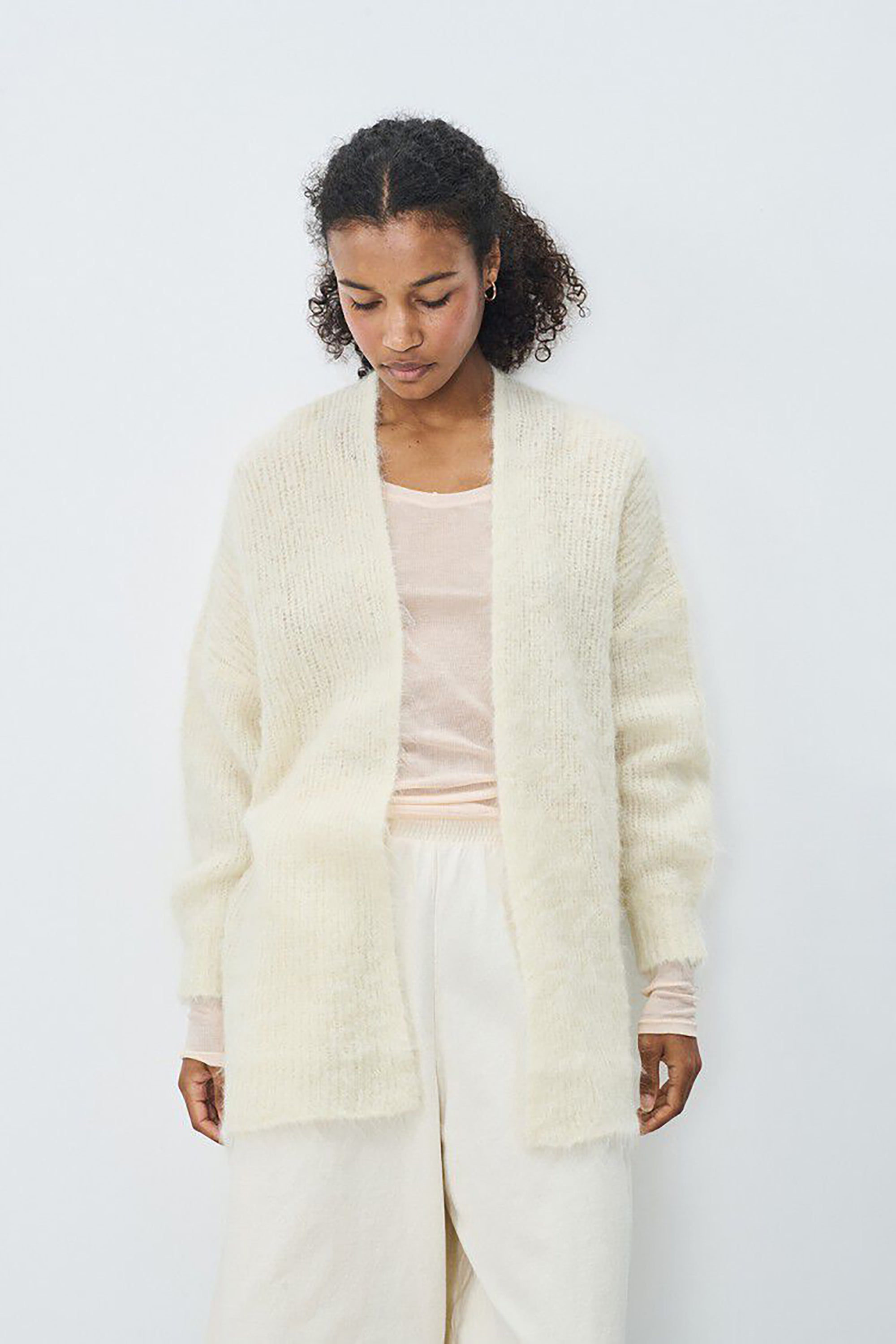
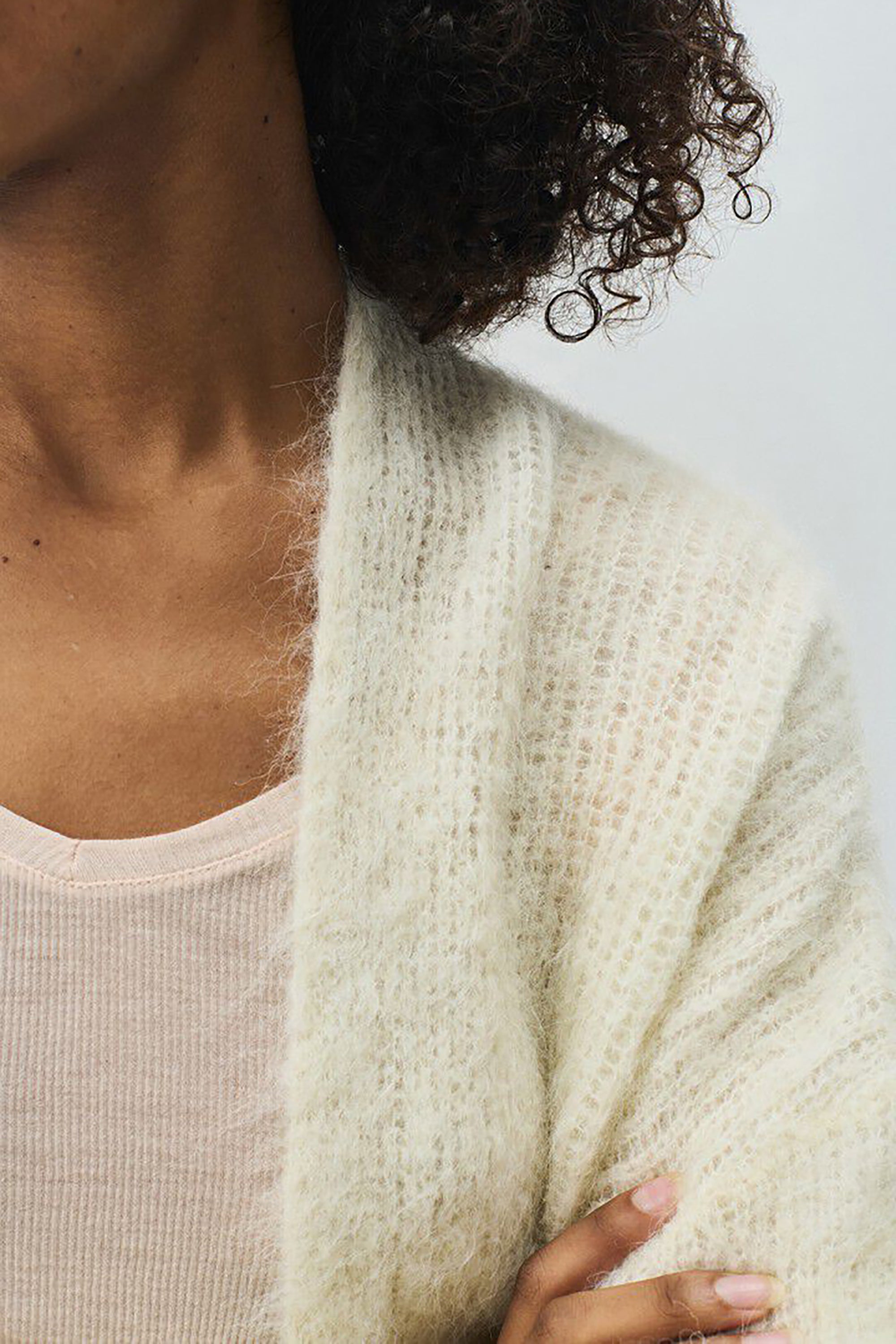
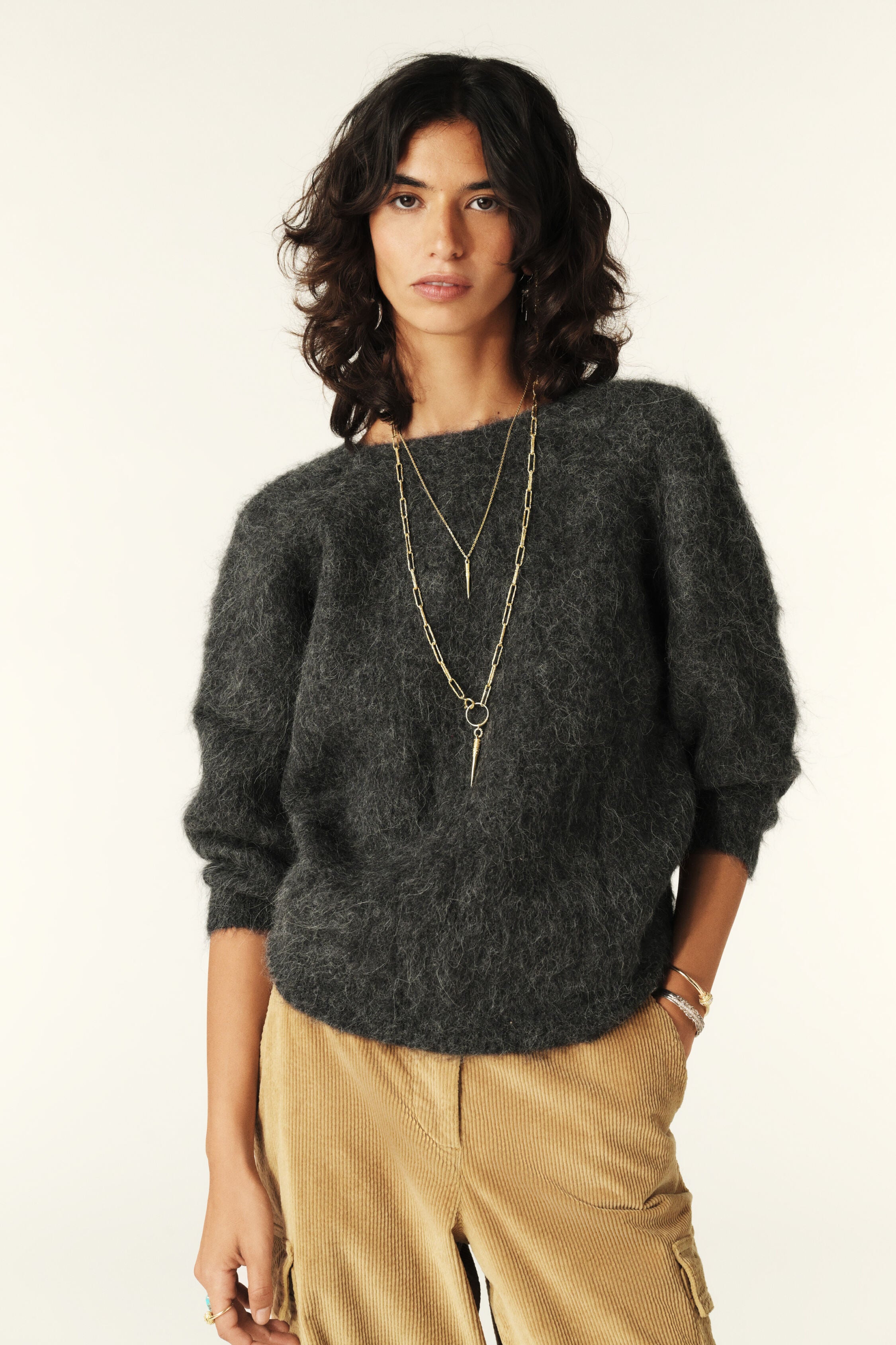
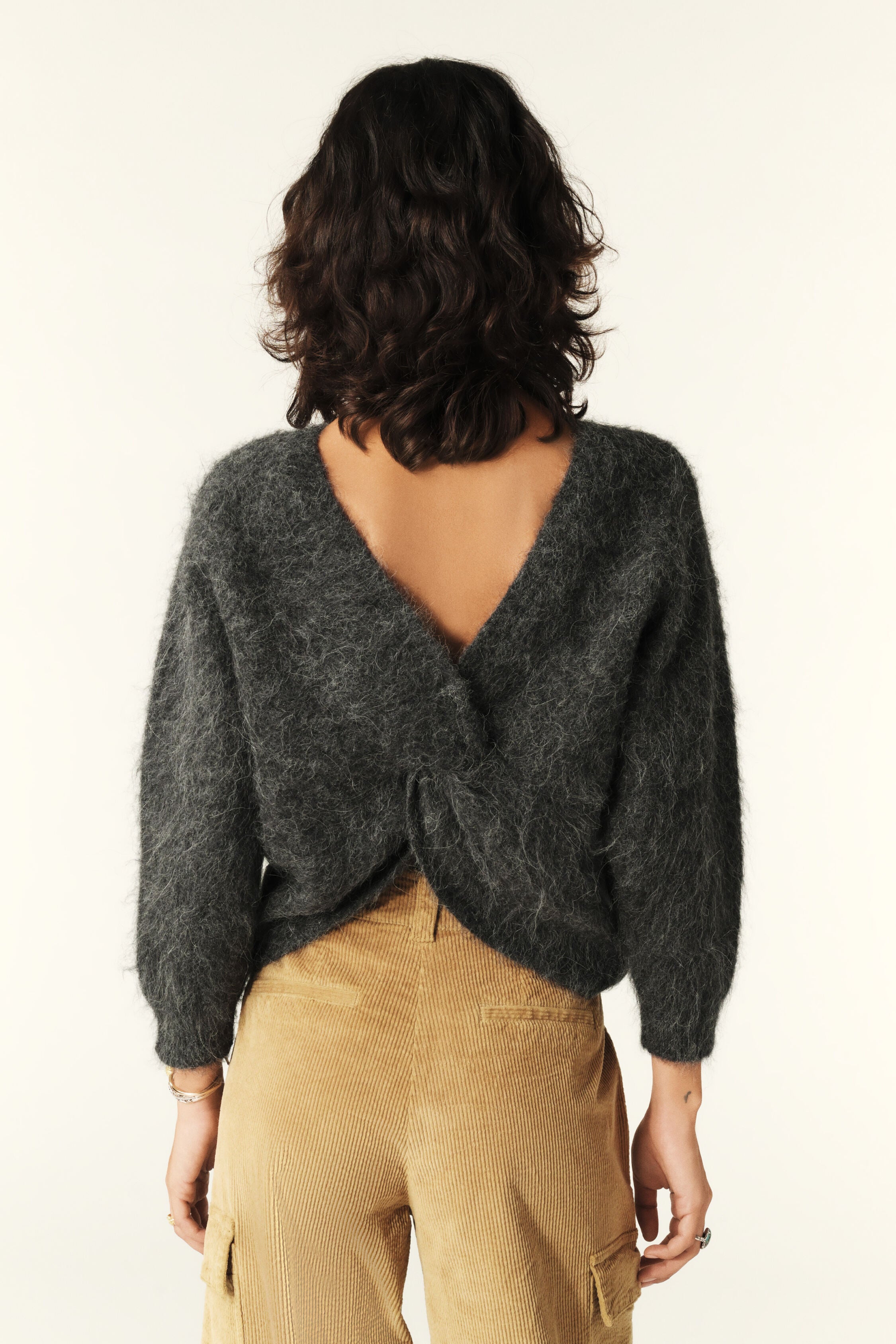
Mohair comes from the Angora goat, not to be confused with Angora rabbit. The fibres are long, smooth, and naturally lustrous. Unlike cashmere or merino wool, mohair does not collapse into softness. It holds air, creates volume, and reflects light, giving mohair knitwear a distinct visual presence.
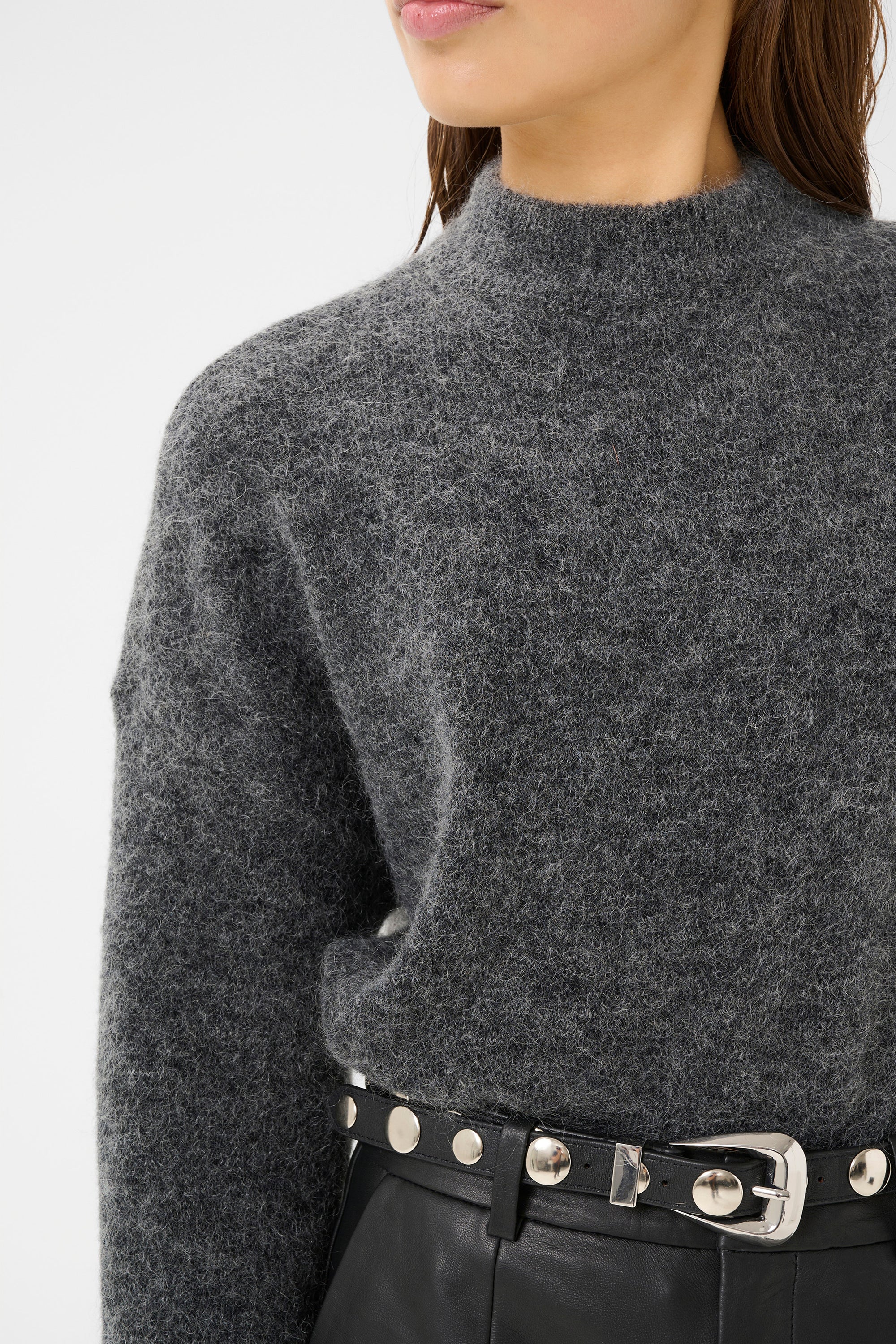
The texture can feel airy, sometimes brushed, sometimes wiry depending on treatment. Mohair is exceptionally warm for its weight and highly durable, with a texture that behaves very differently from finer wool fibres. Its long fibres resist pilling, though the surface can feel less forgiving on sensitive skin.
Care is relatively straightforward, but agitation dulls its surface. Mohair tends to hold its shape over time, making it well suited to garments designed with intention rather than ease.
Mohair is not discreet. It adds structure and a certain visual warmth that reads as deliberate rather than comfortable.
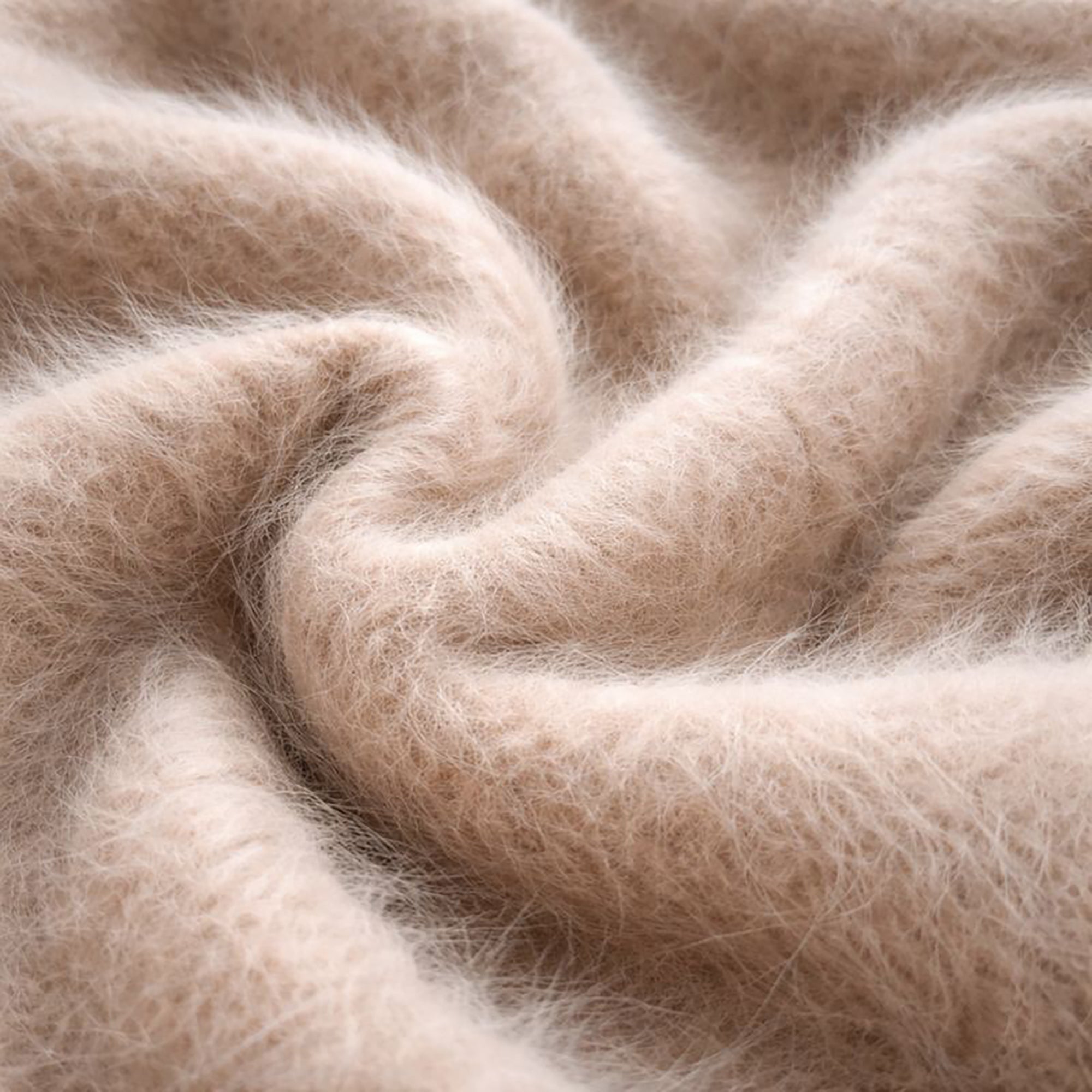
Raccoon
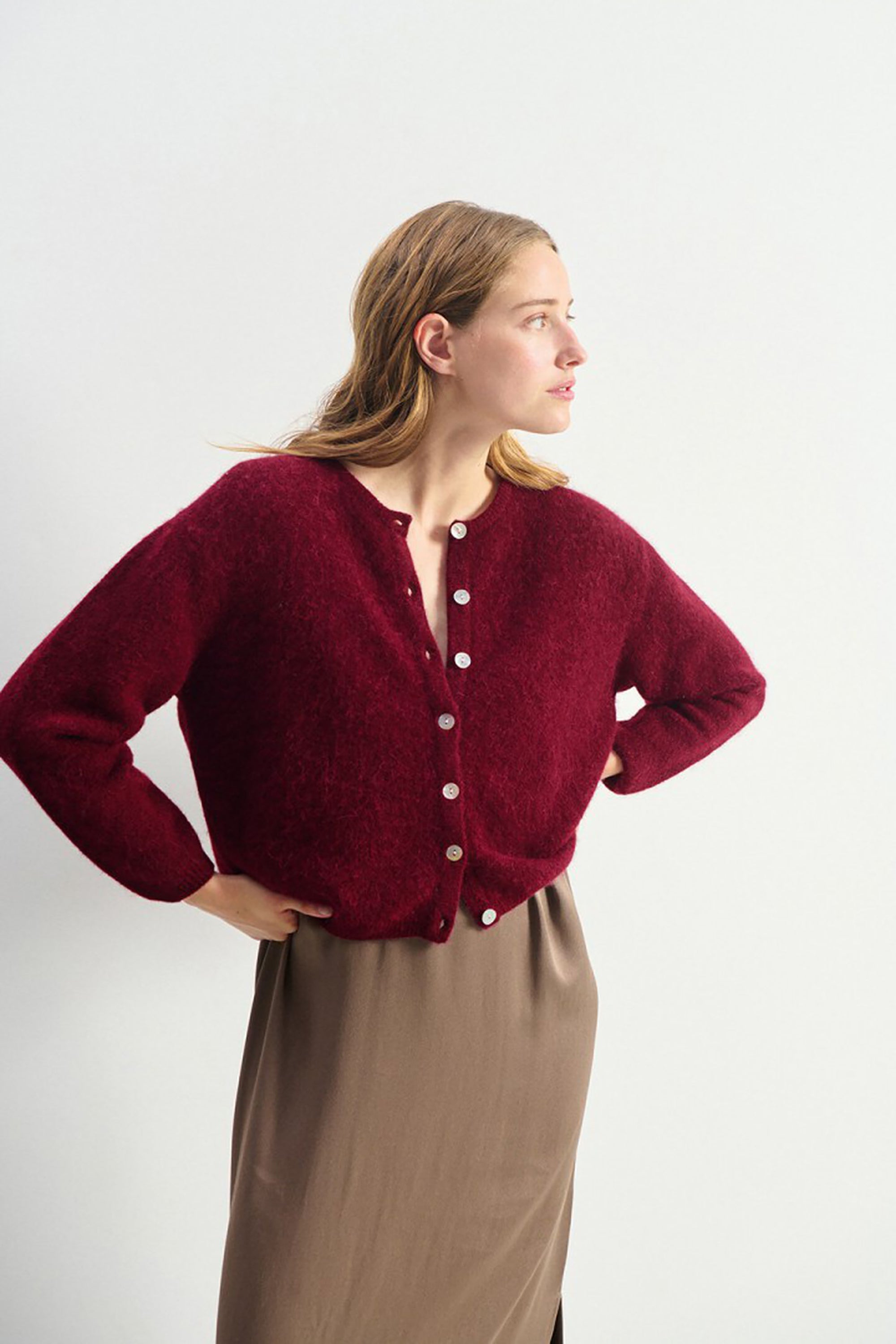
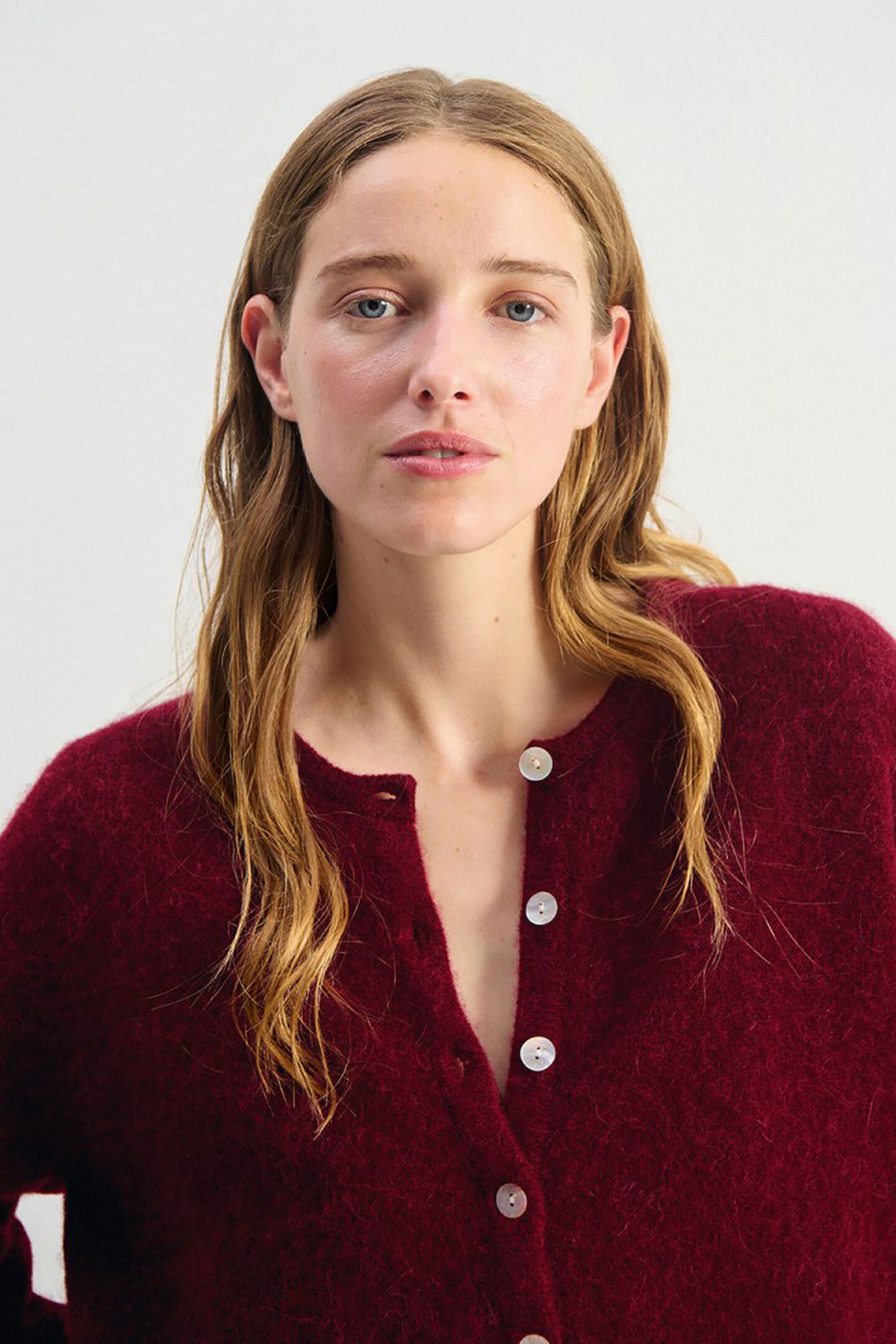
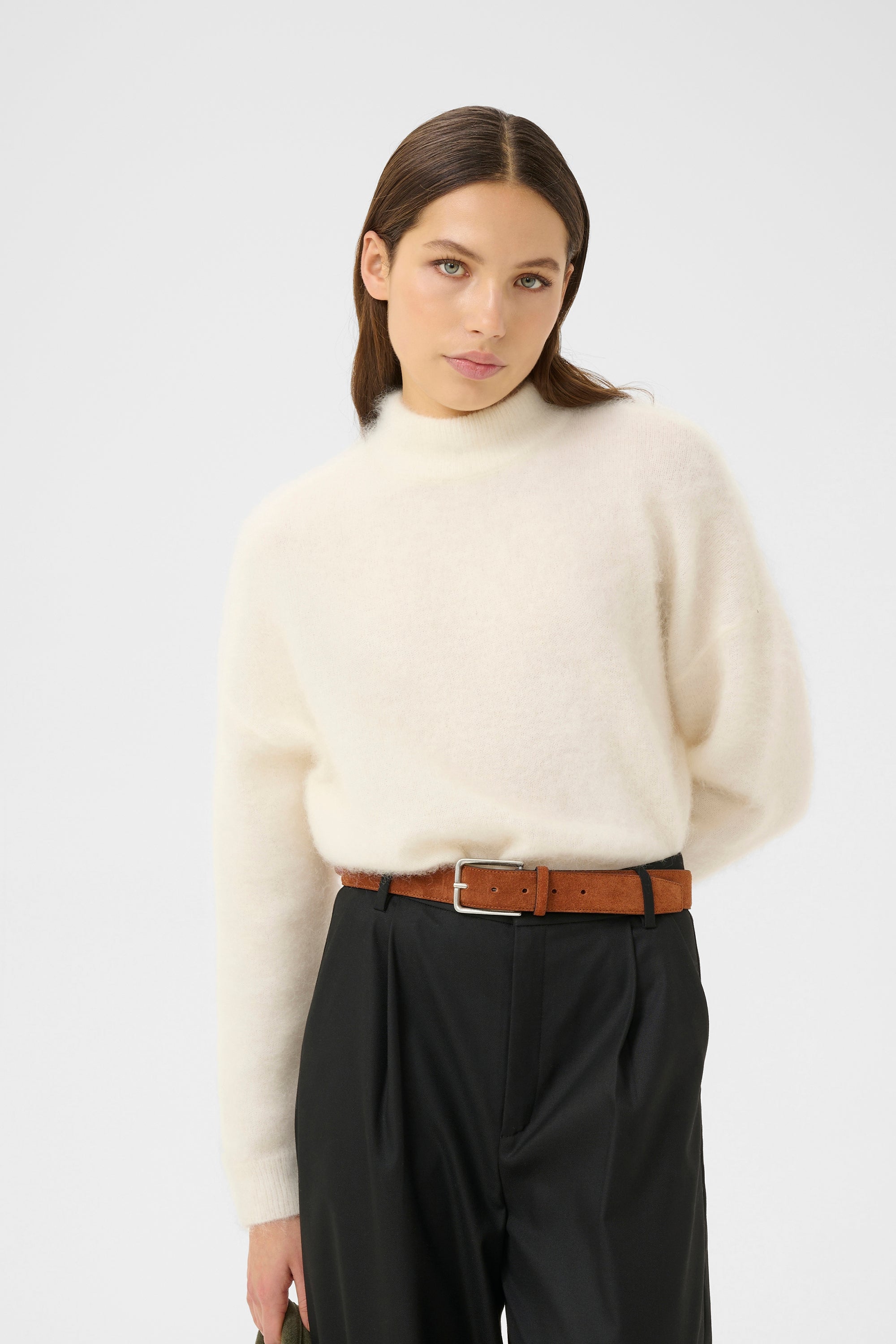
Raccoon fibre is taken from the undercoat of raccoon dogs, primarily sourced in China. It is often blended with wool or cashmere rather than used alone. The fibre is hollow, which traps heat efficiently and gives raccoon wool knitwear a warmth that exceeds its apparent weight.
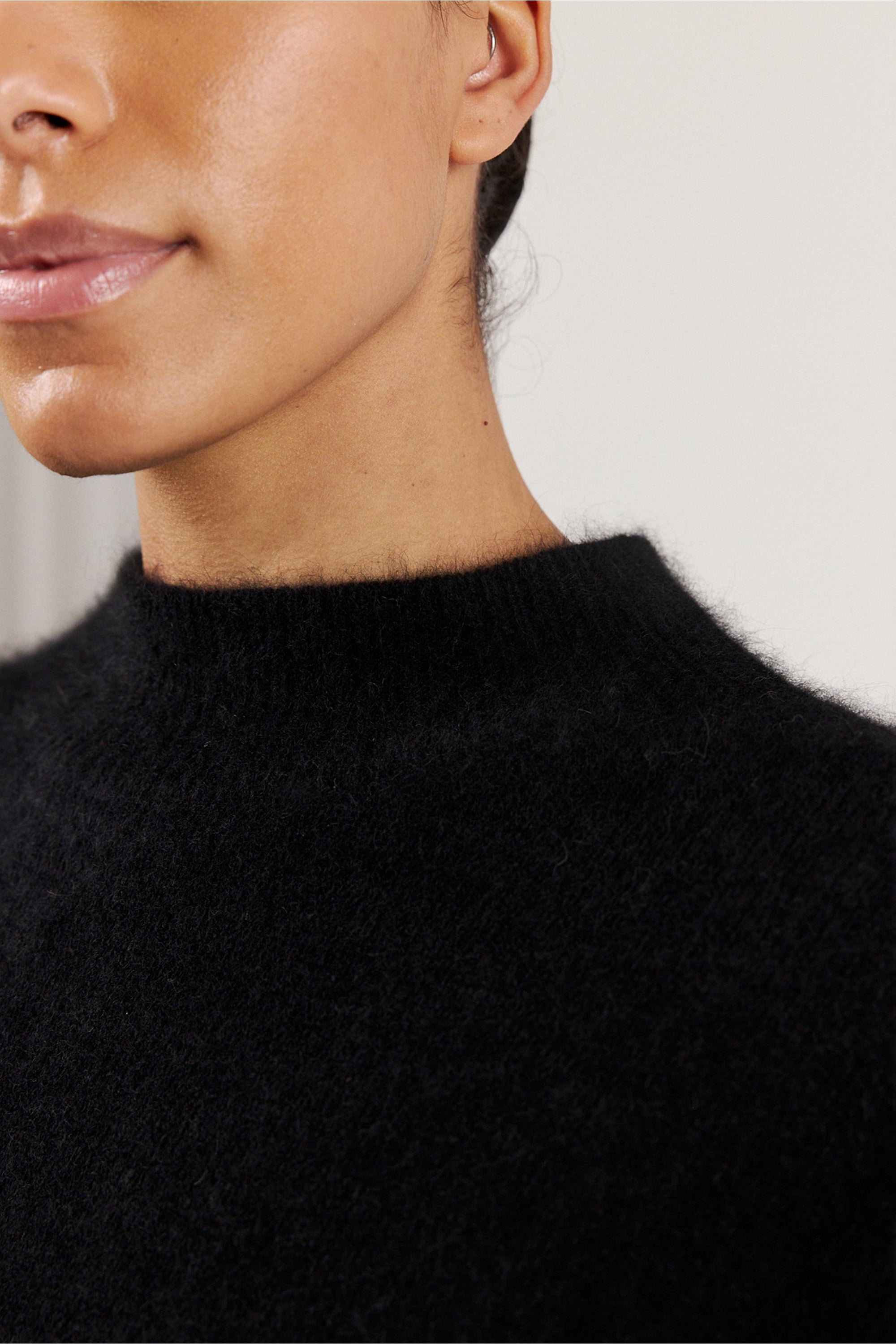
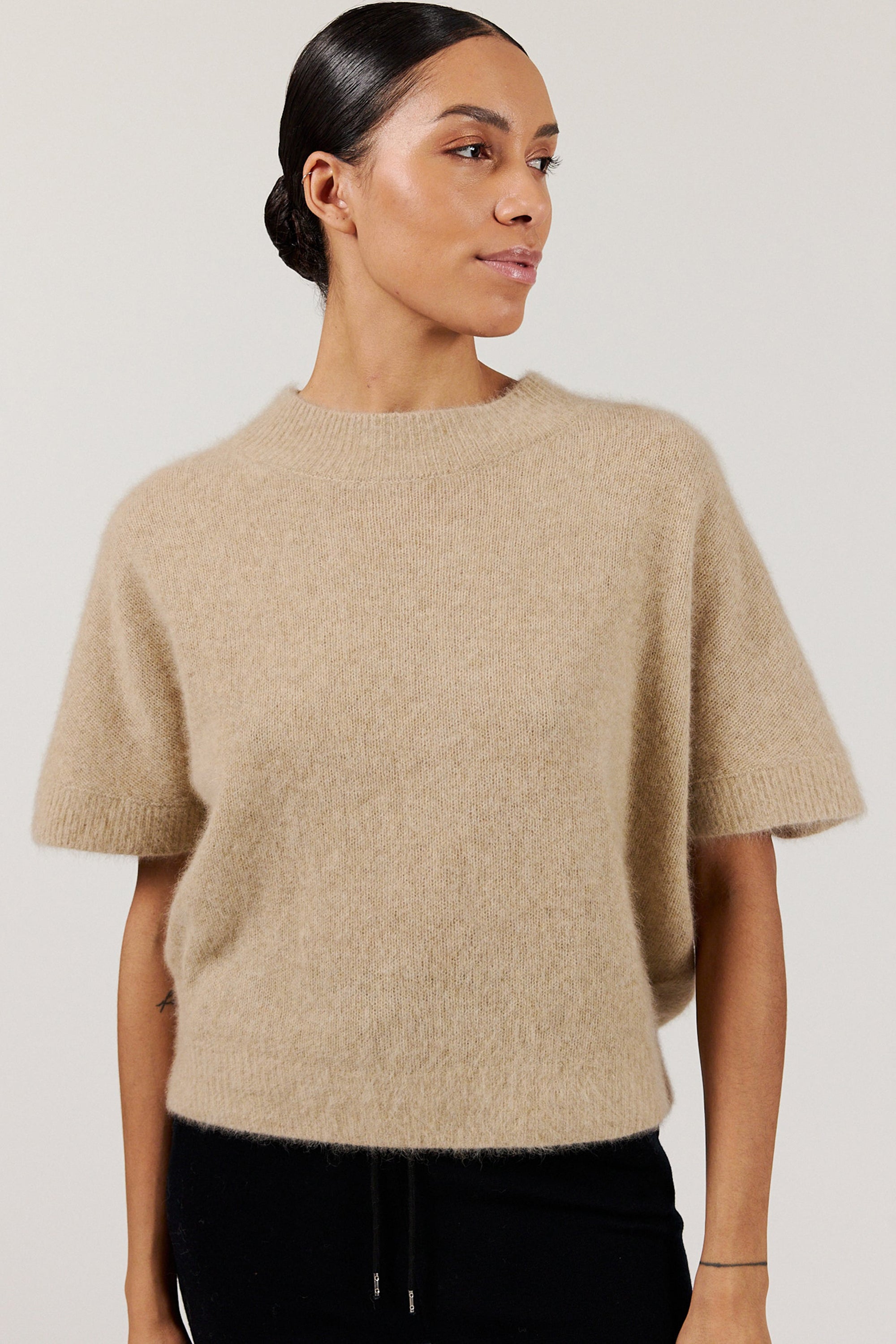
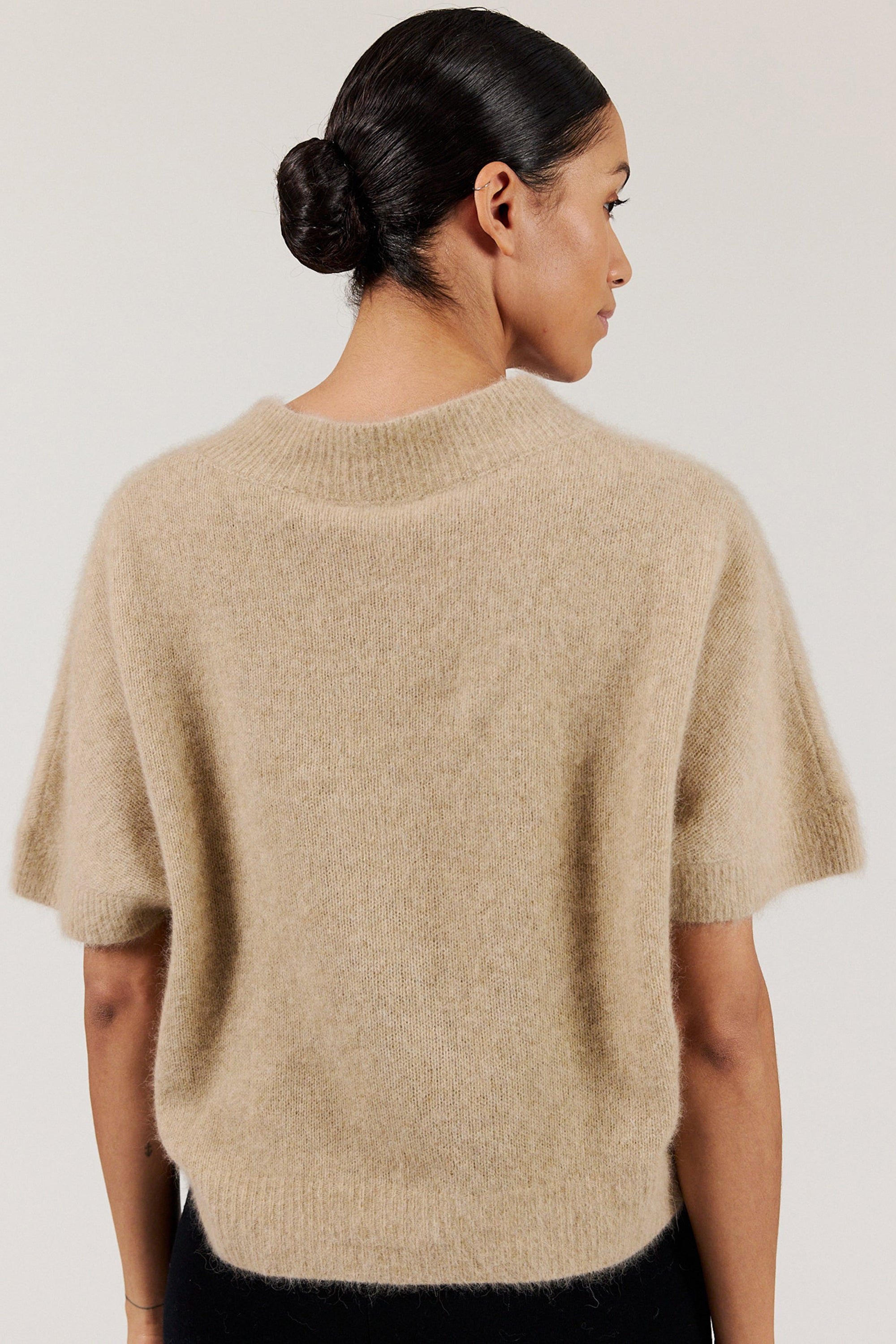
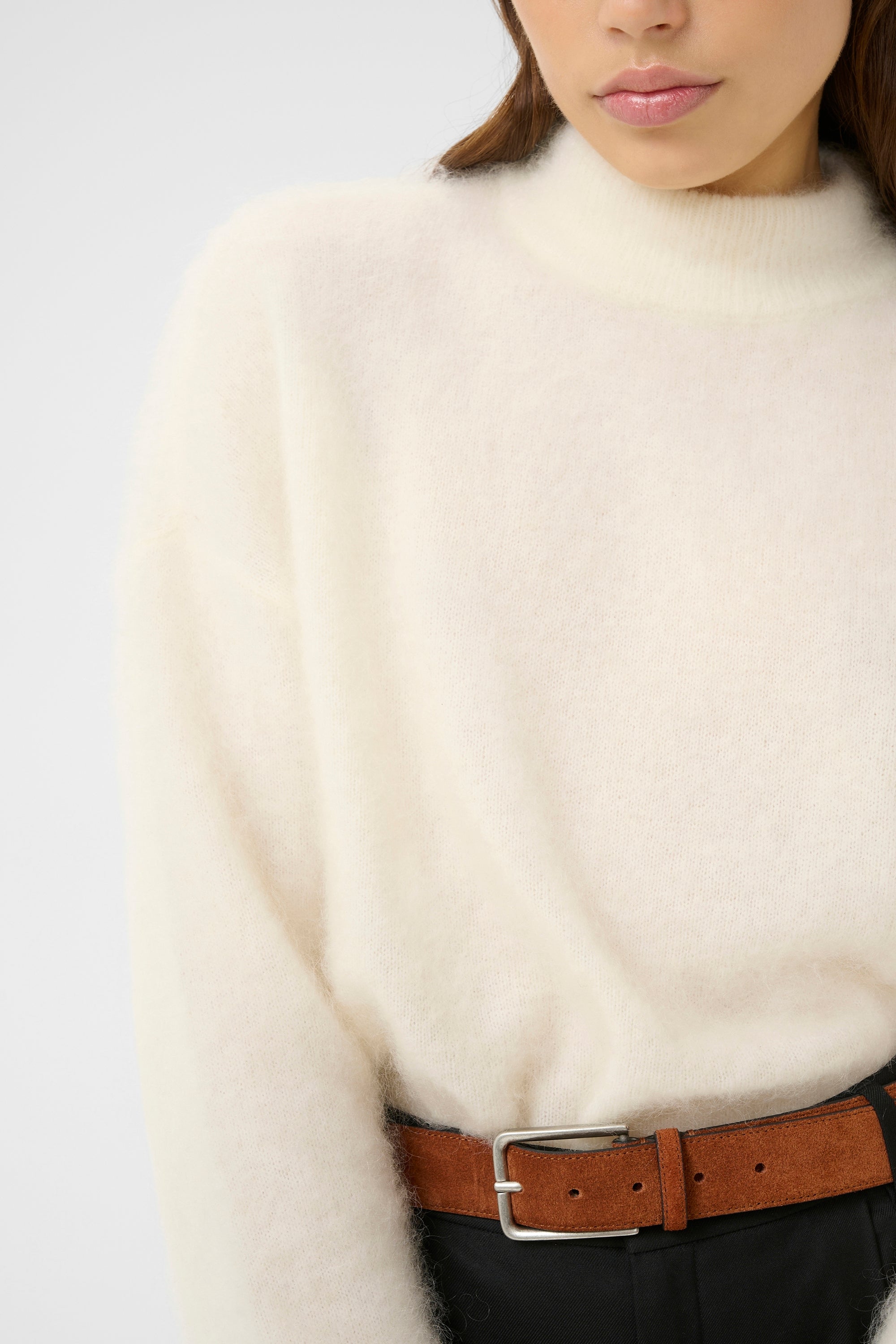
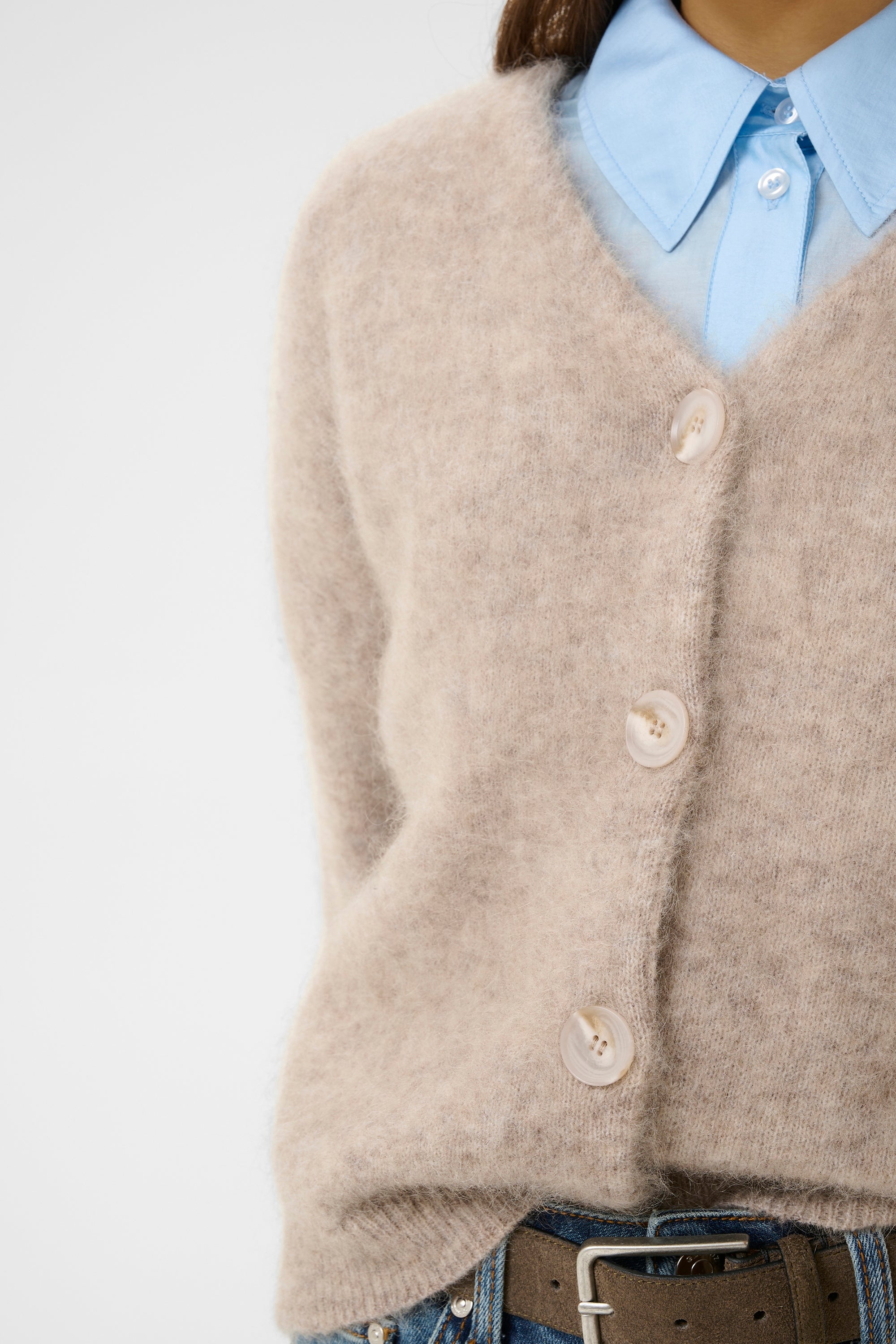
Raccoon wool has a plush, almost inflated feel. Softer than merino wool, less refined than cashmere, and warmer than its surface suggests. Durability sits somewhere in the middle. It can pill, though usually less aggressively than lower-grade cashmere.
Care requires restraint. Hand washing, careful storage, and patience with its natural loft allow the texture to recover between wears. Price tends to be lower than high quality cashmere, though ethical sourcing and transparency vary widely.
Raccoon wool appeals when warmth and softness are desired, but perfection is not the point.
Choosing by use, not reputation
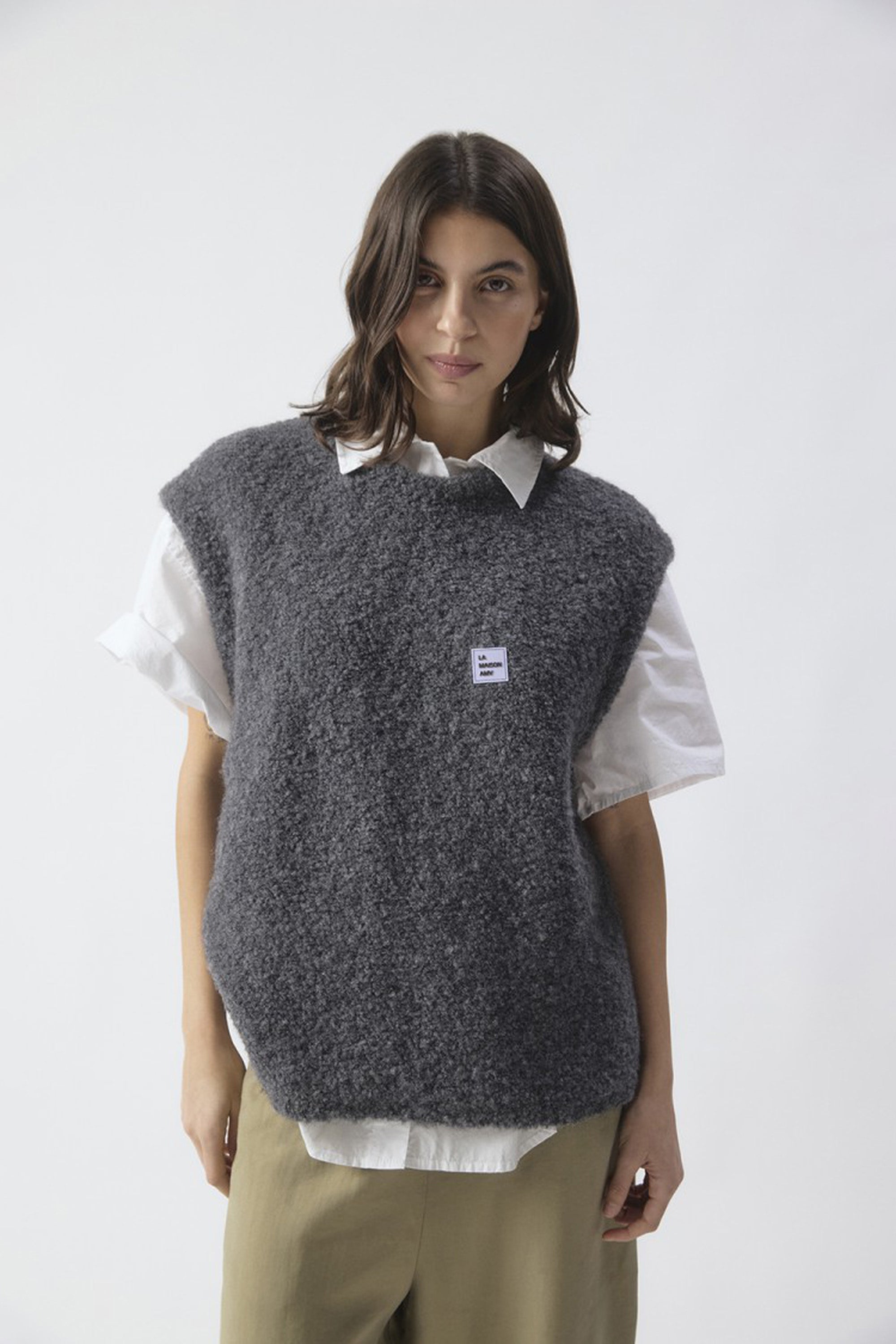
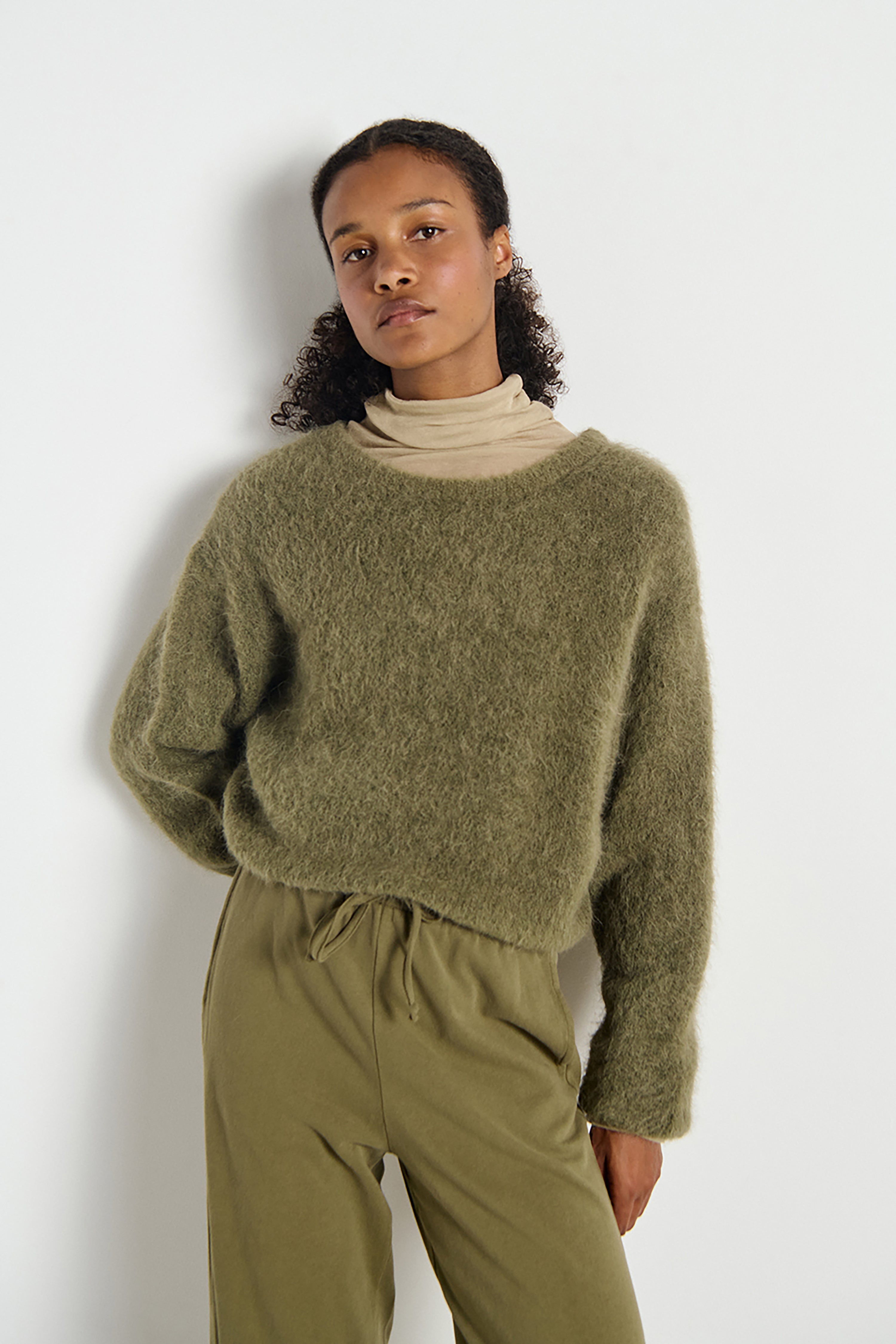
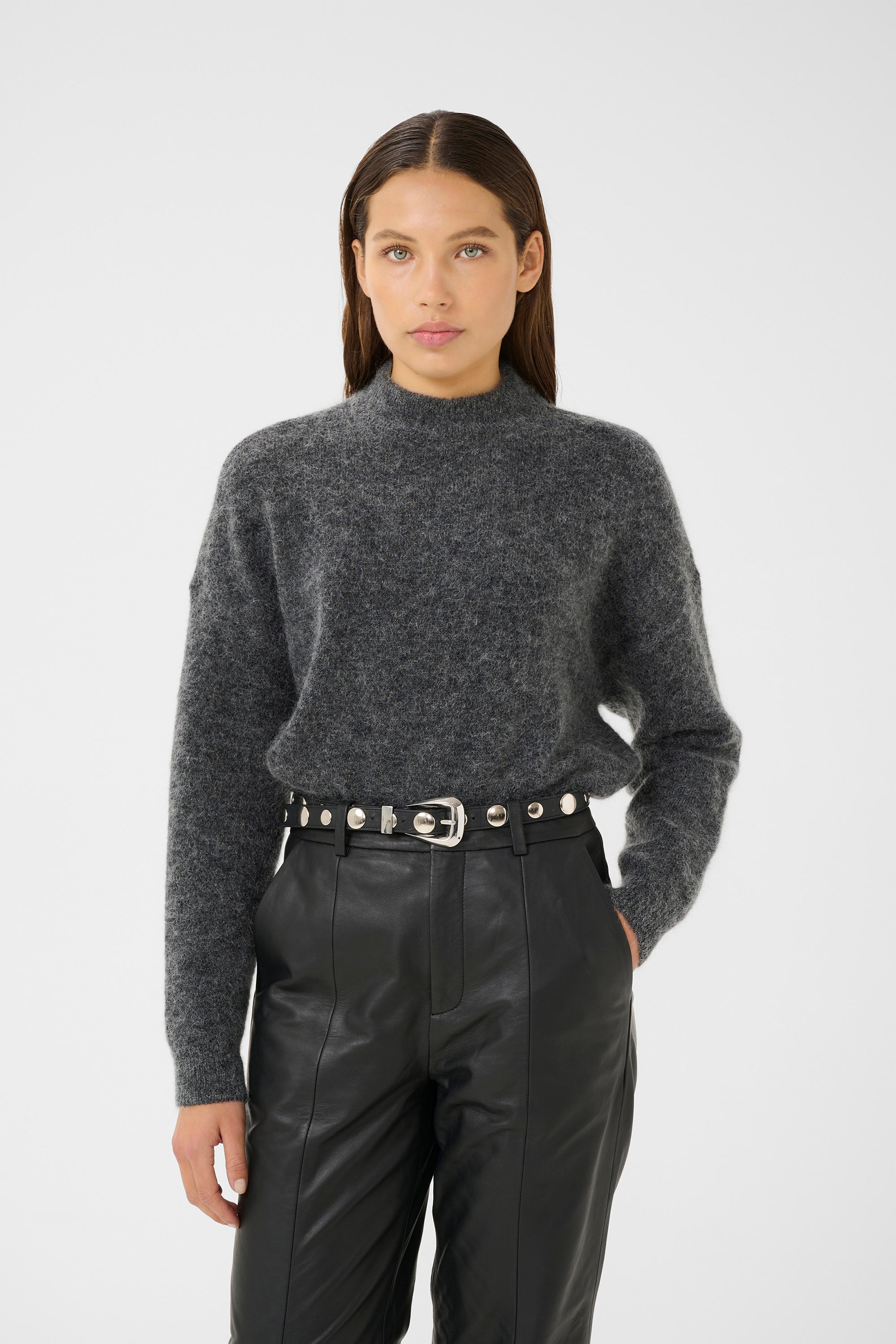
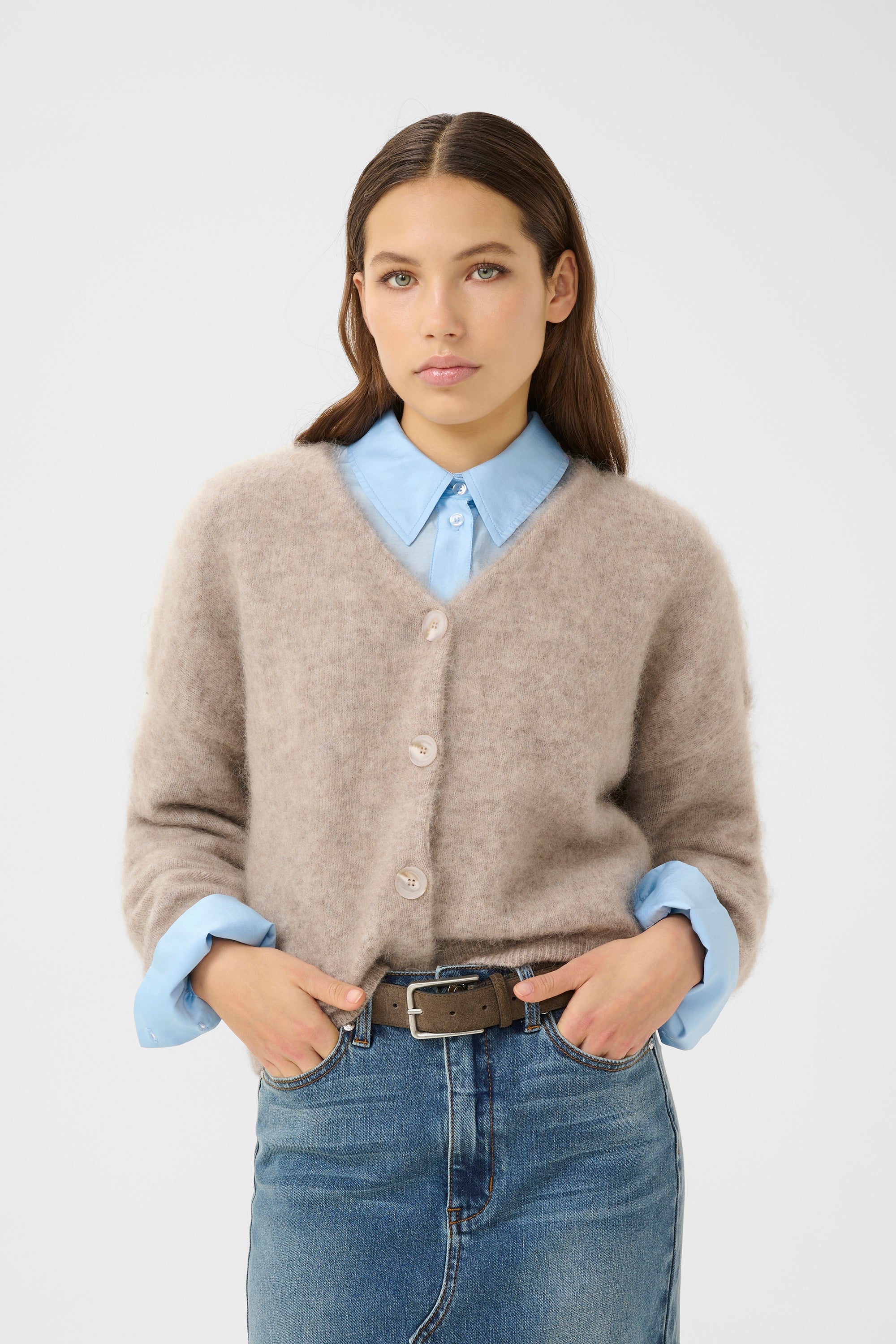
Softness alone is not a reliable guide when comparing wool fibres that are often grouped together. Cashmere offers intimacy but demands restraint. Merino wool earns its place through repetition. Mohair provides structure and air. Raccoon wool delivers warmth with a relaxed hand.
A considered wardrobe benefits from contrast. Not every knit needs to disappear on the body. Some are meant to insulate quietly, others to hold shape, others to soften an outfit through texture rather than touch.
The difference is felt over time, not at first contact.
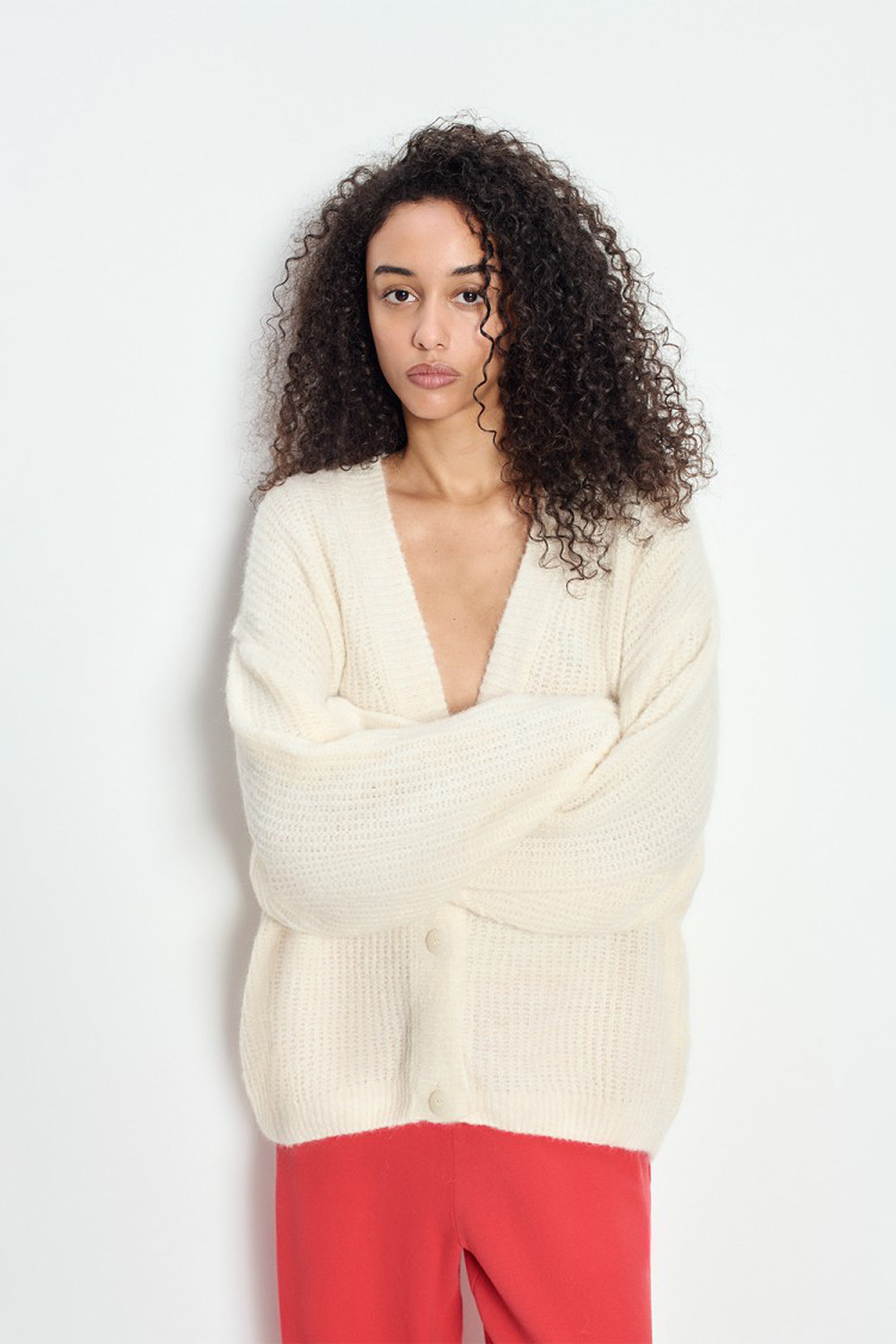
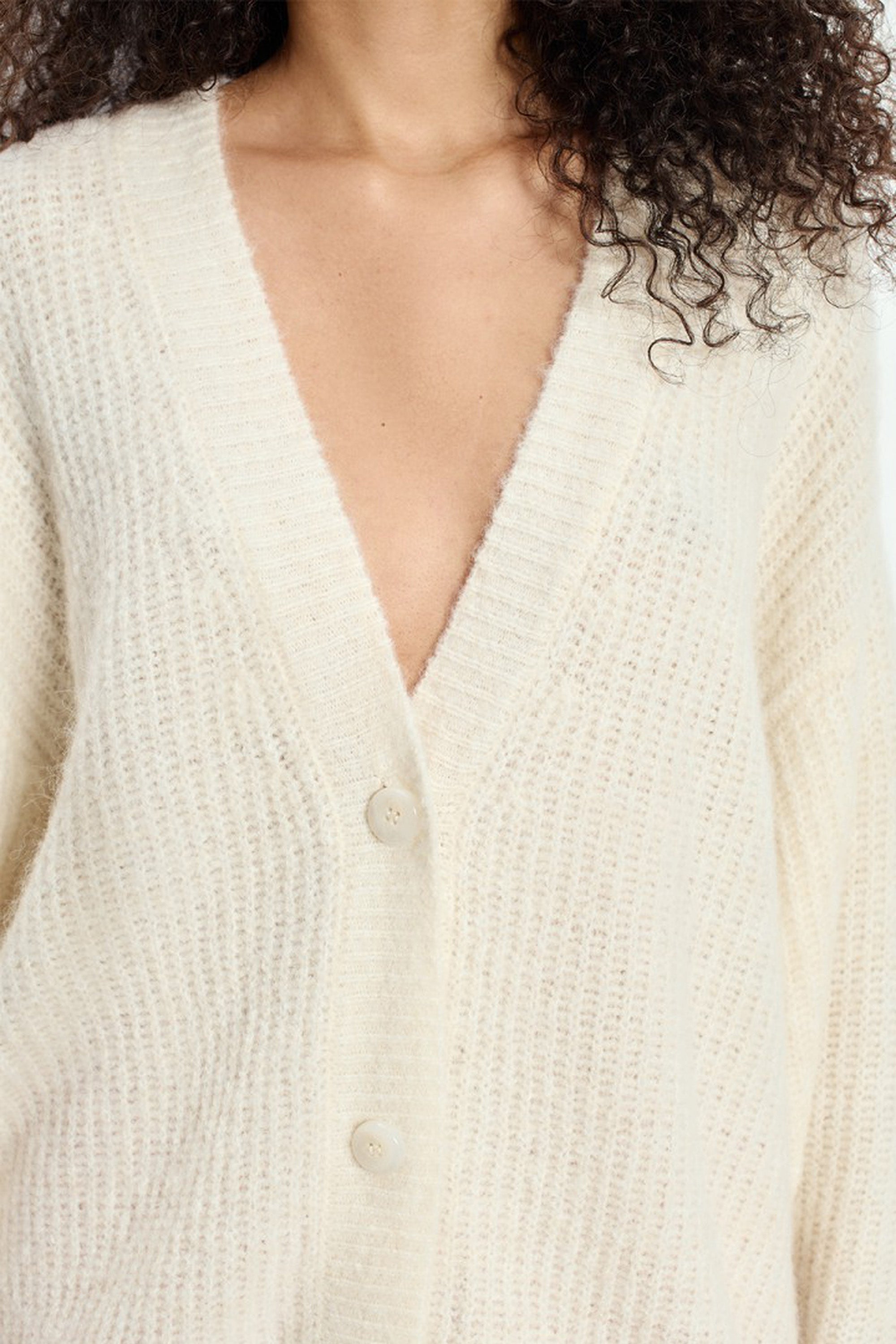
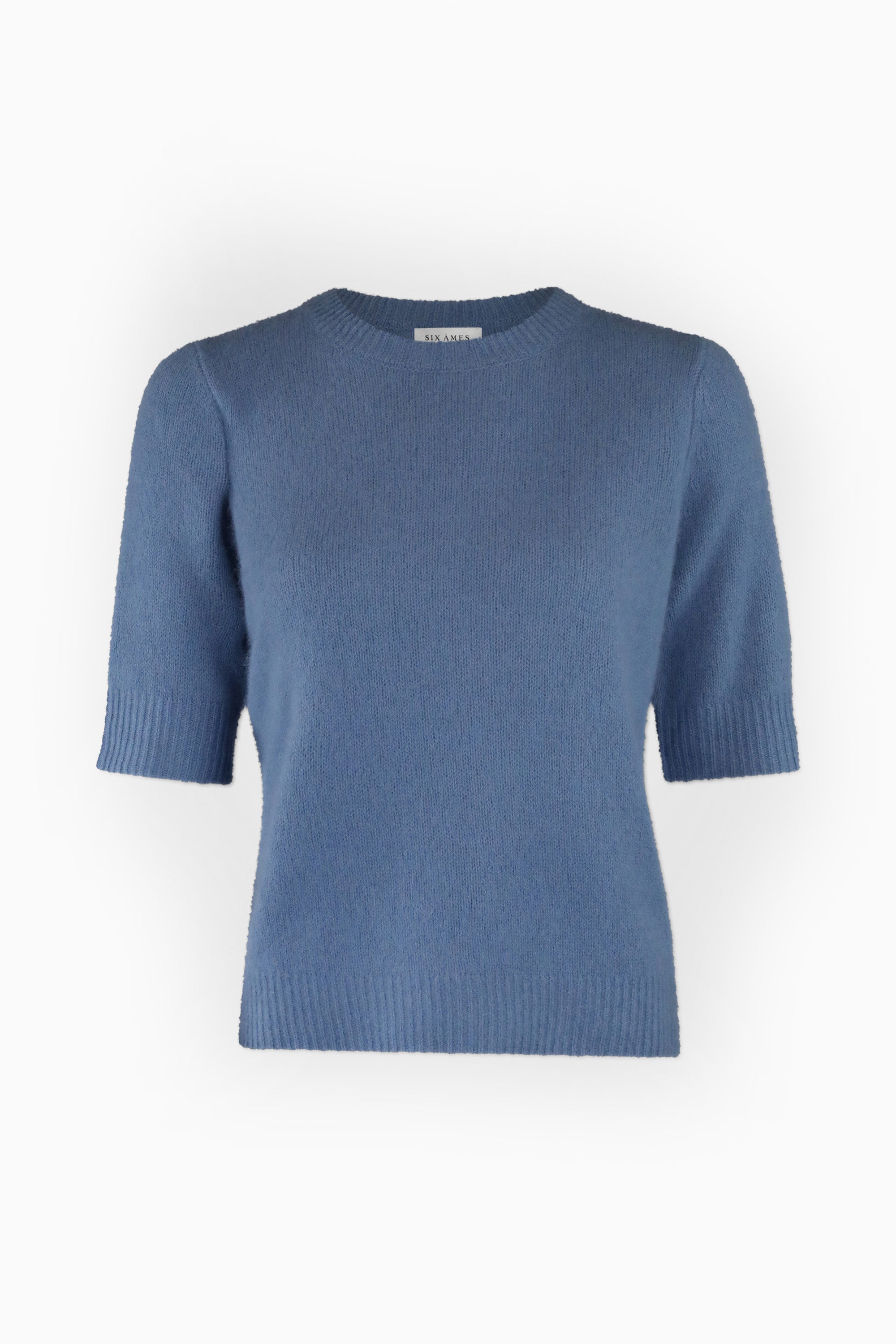
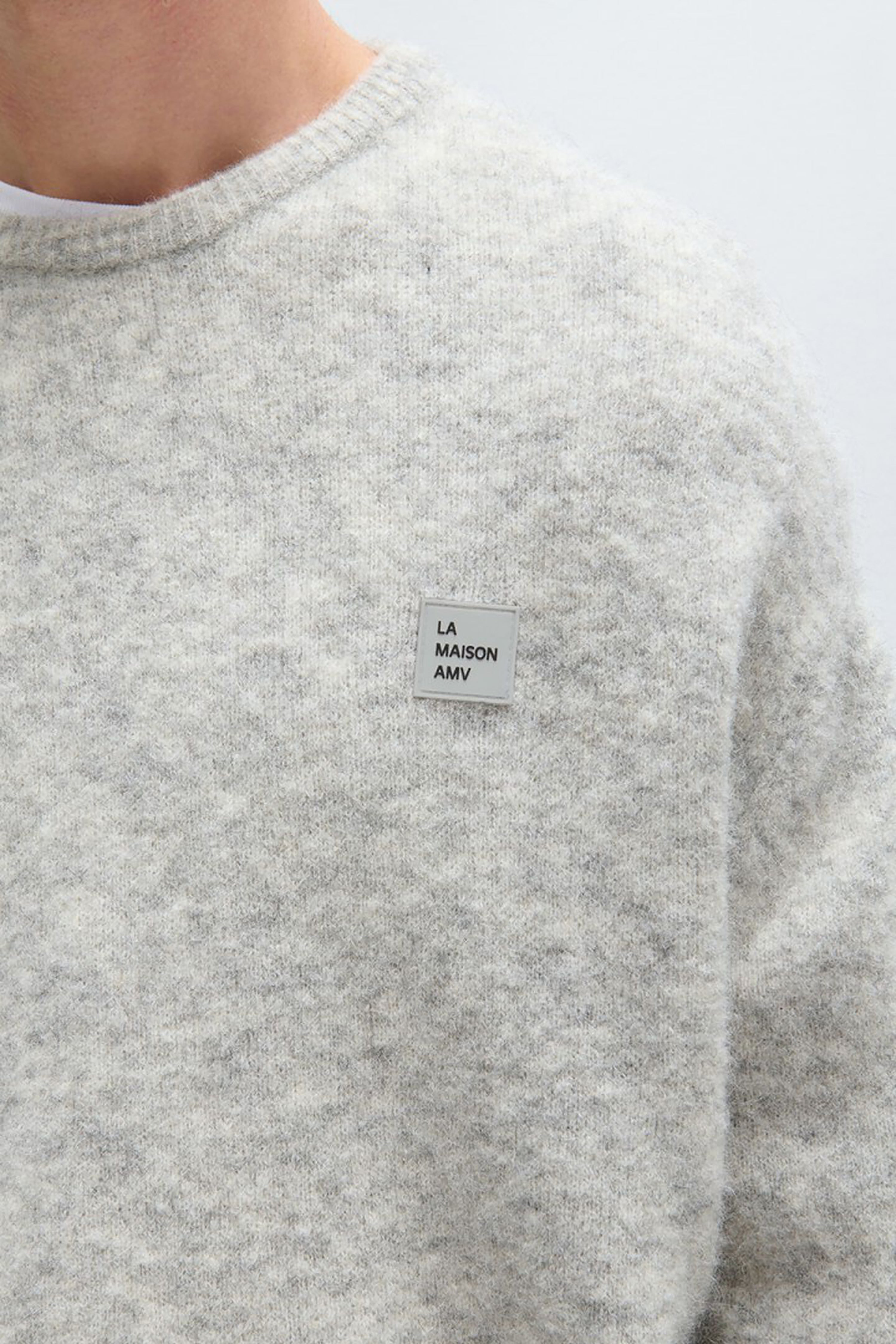
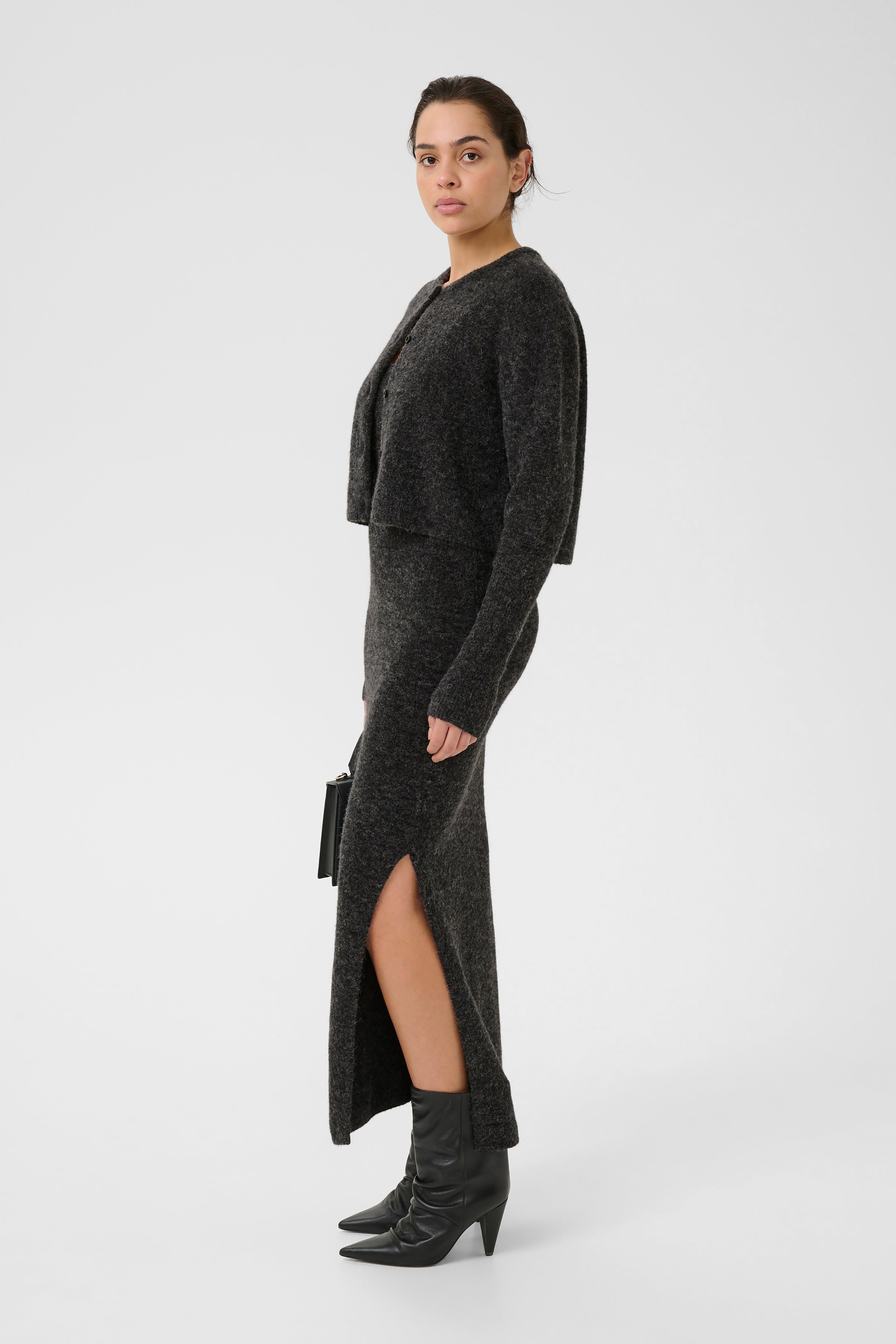
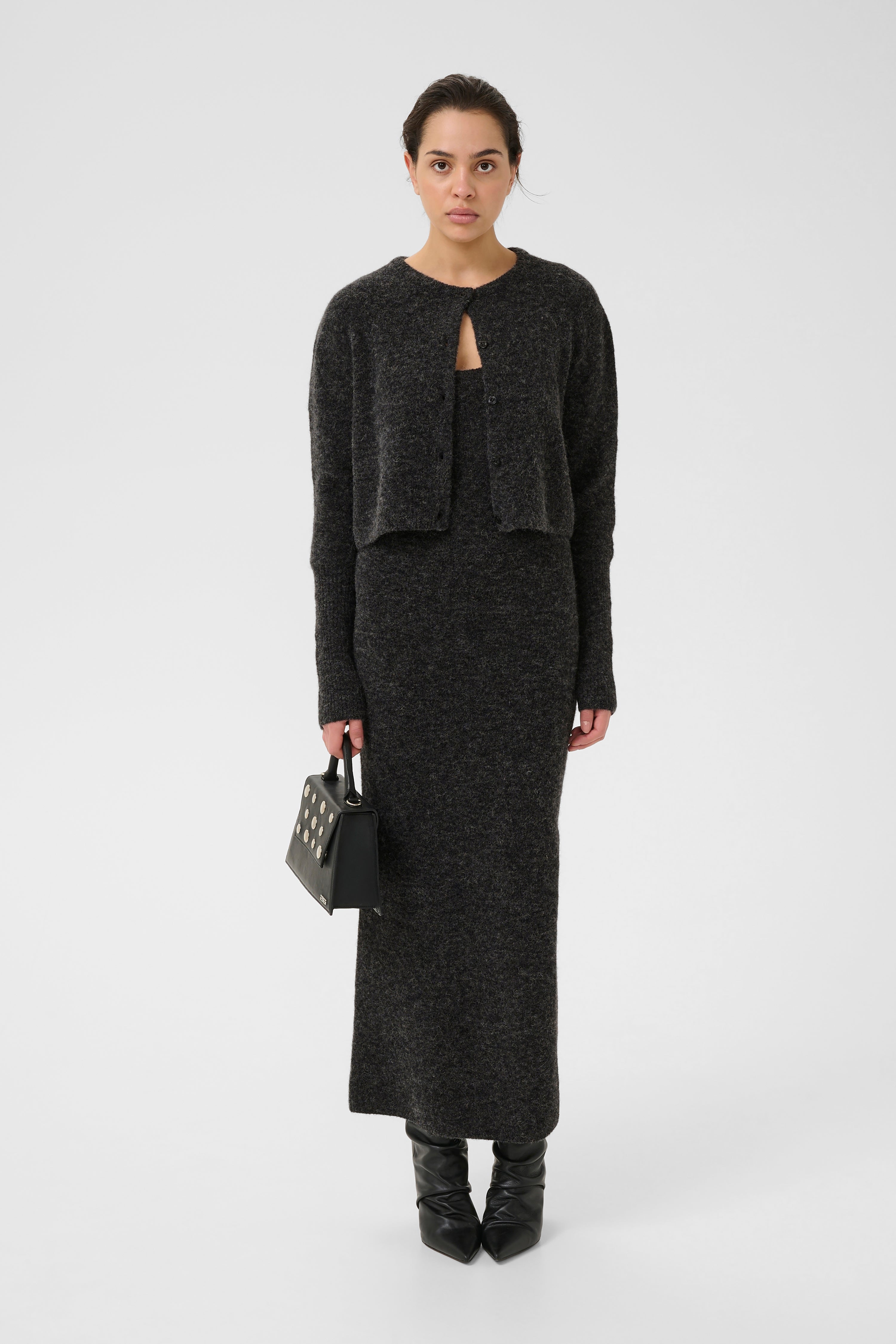
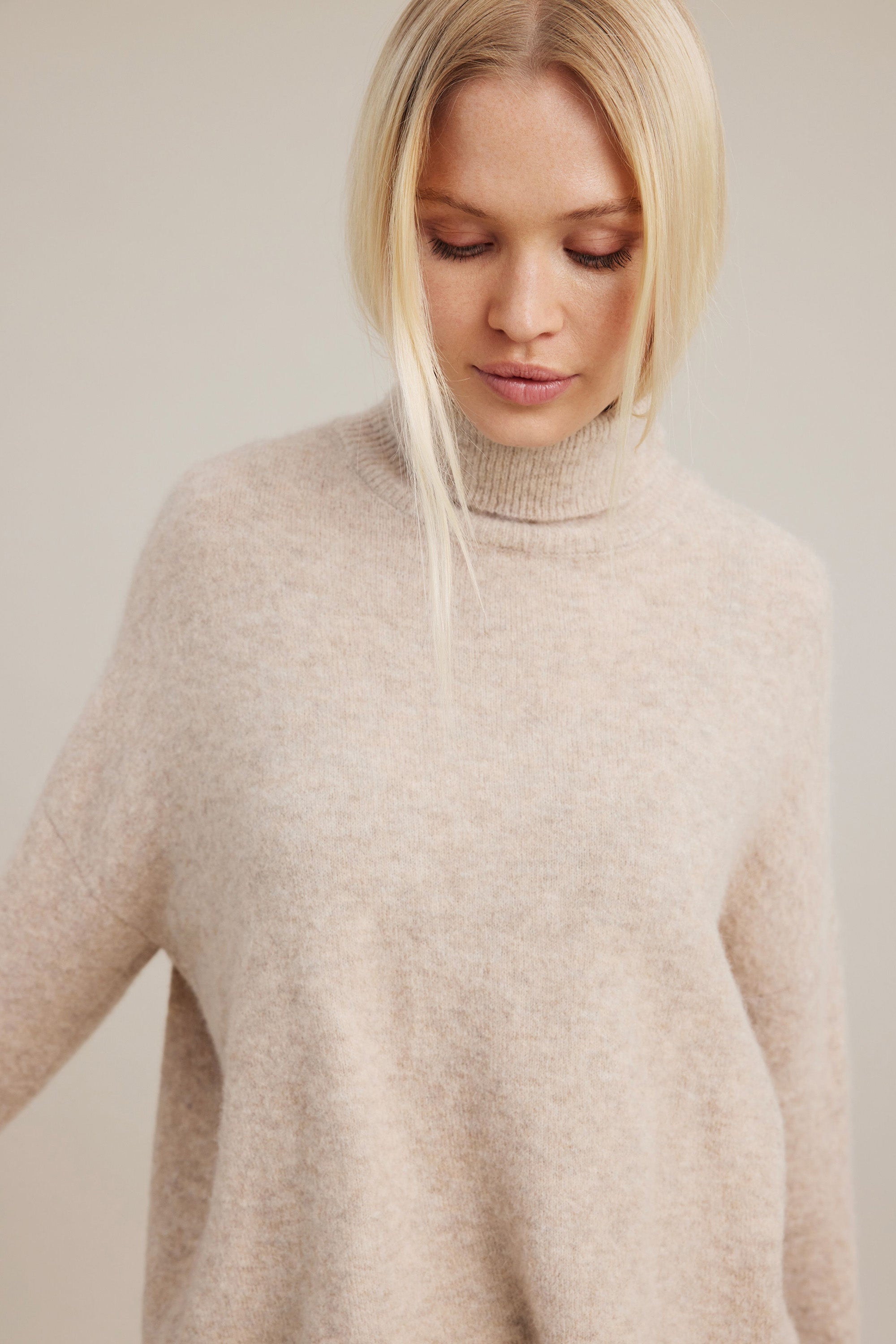
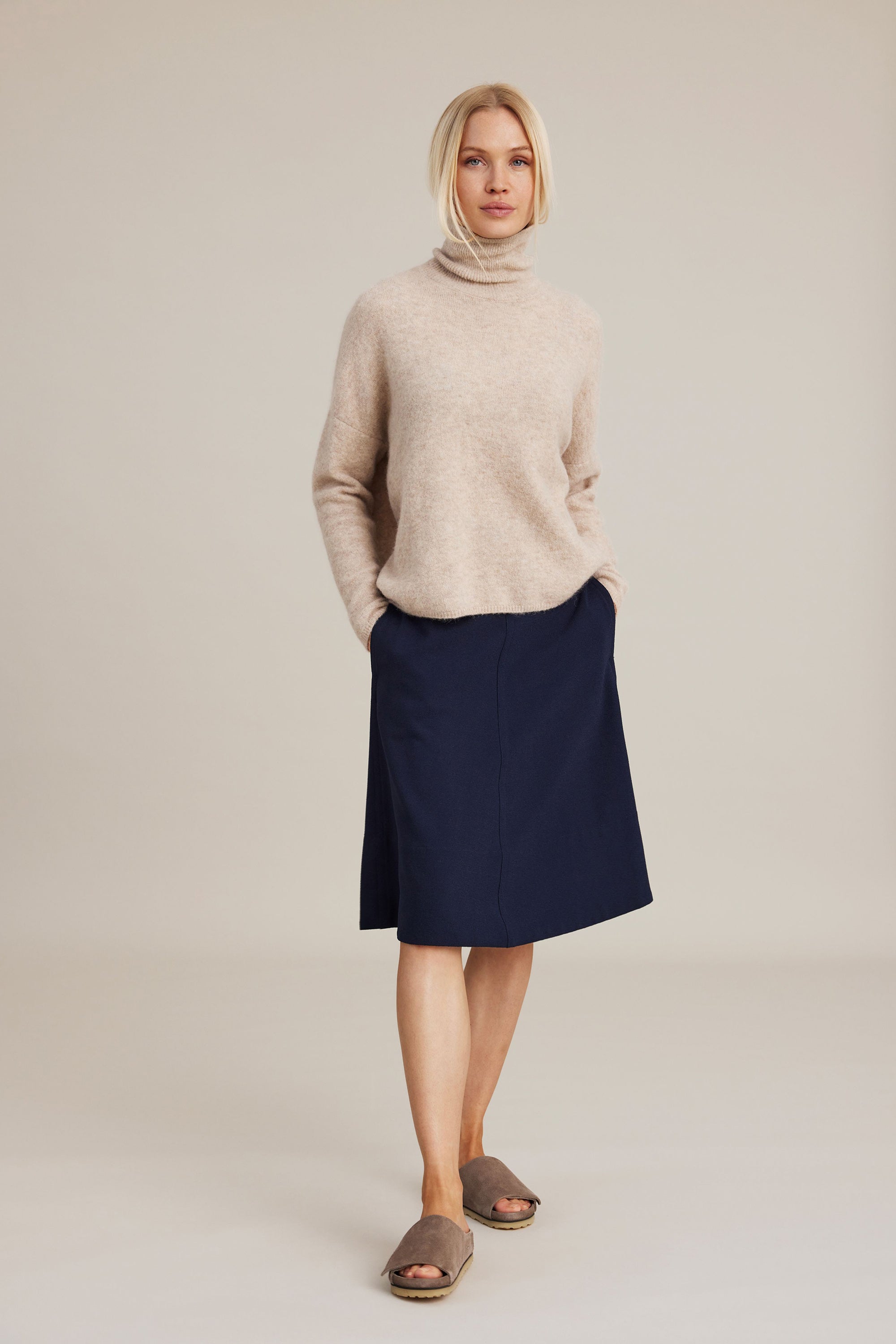
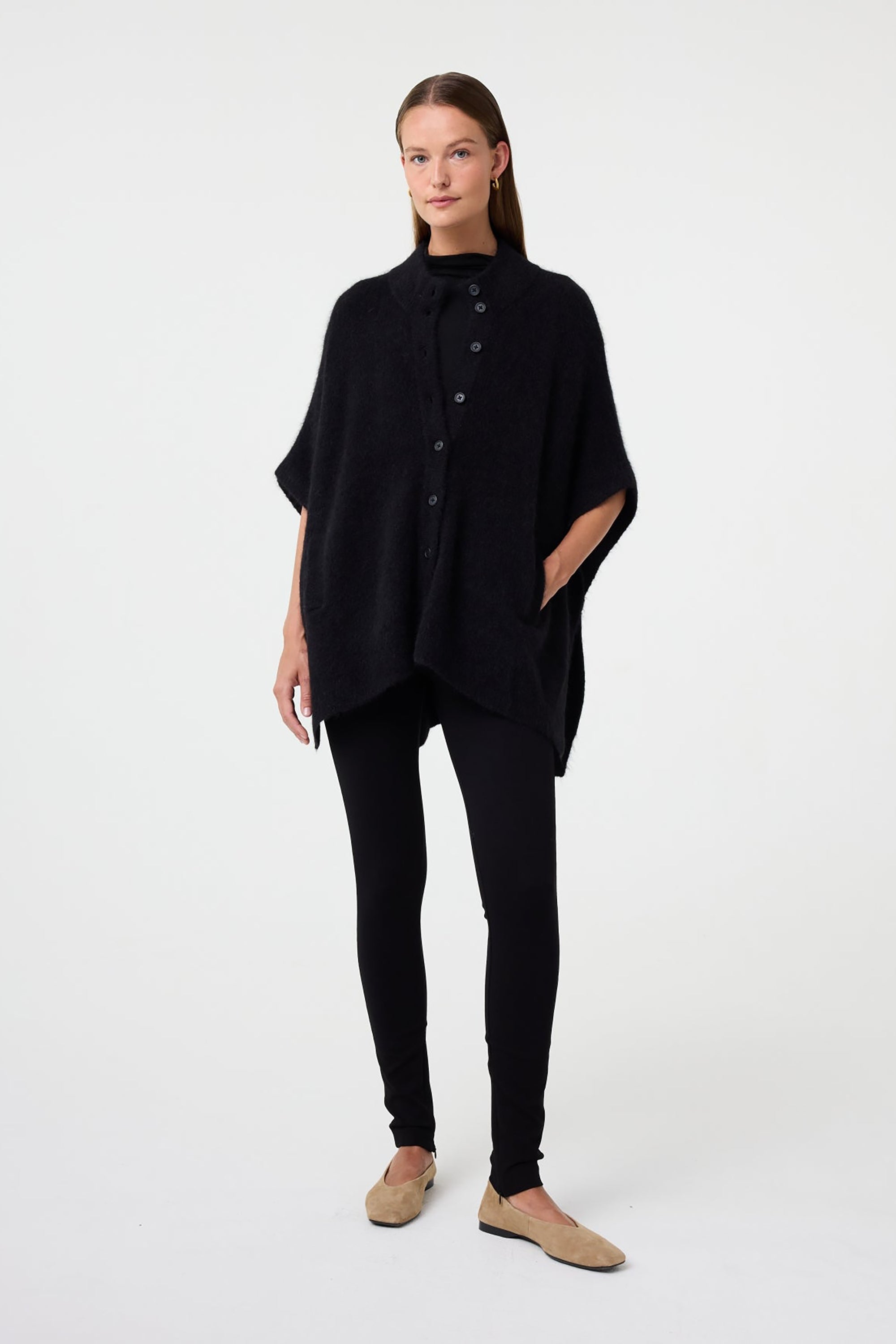
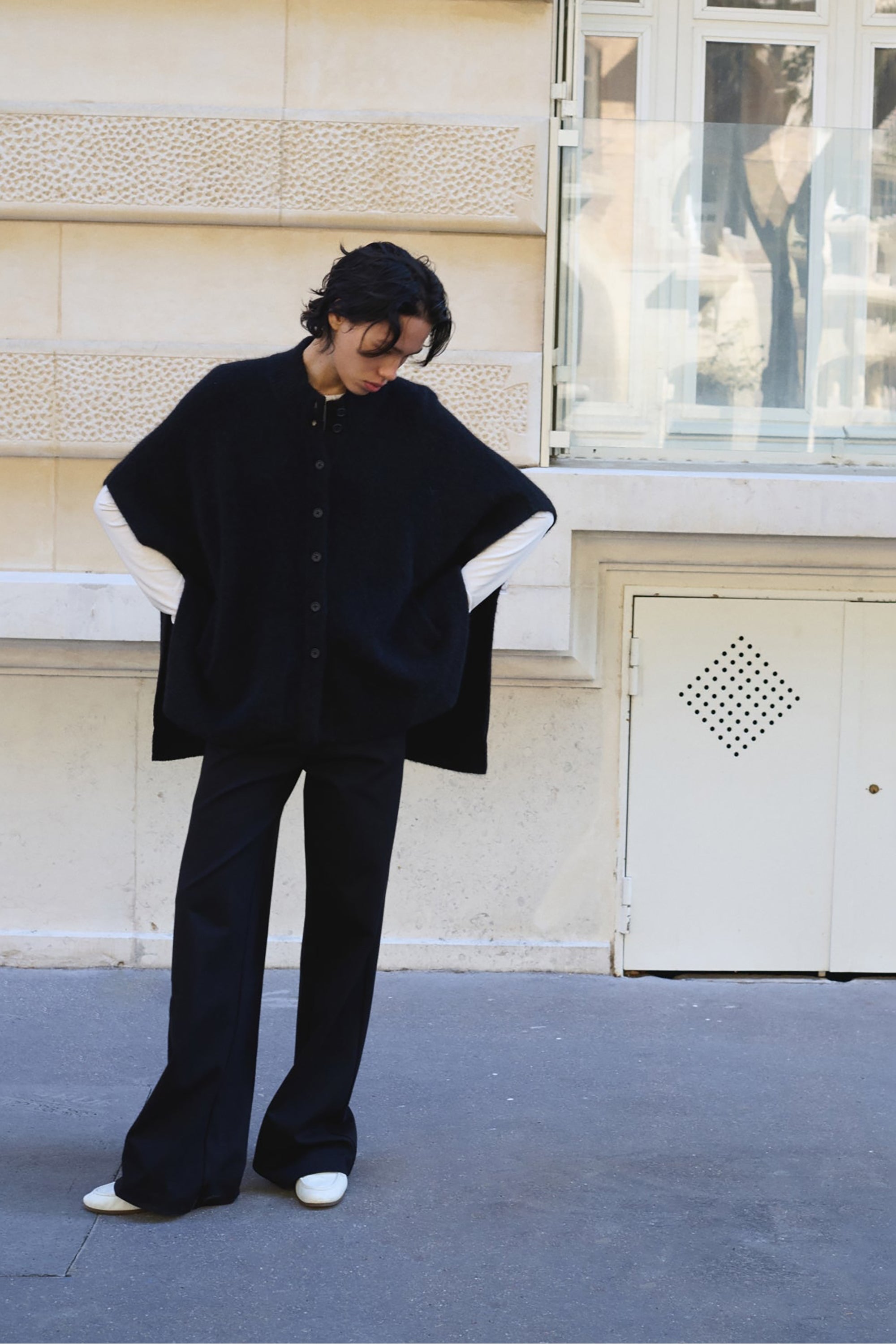
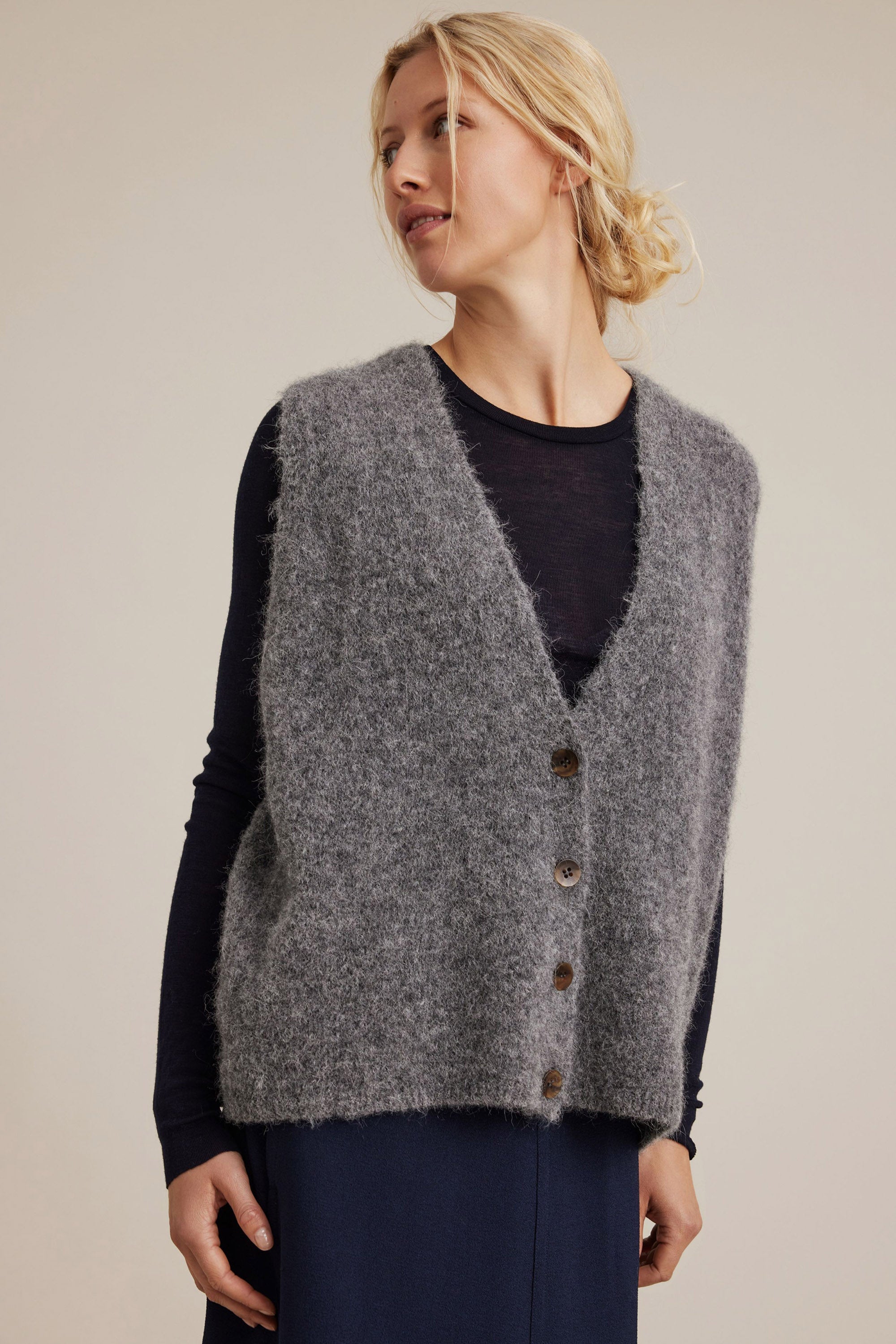
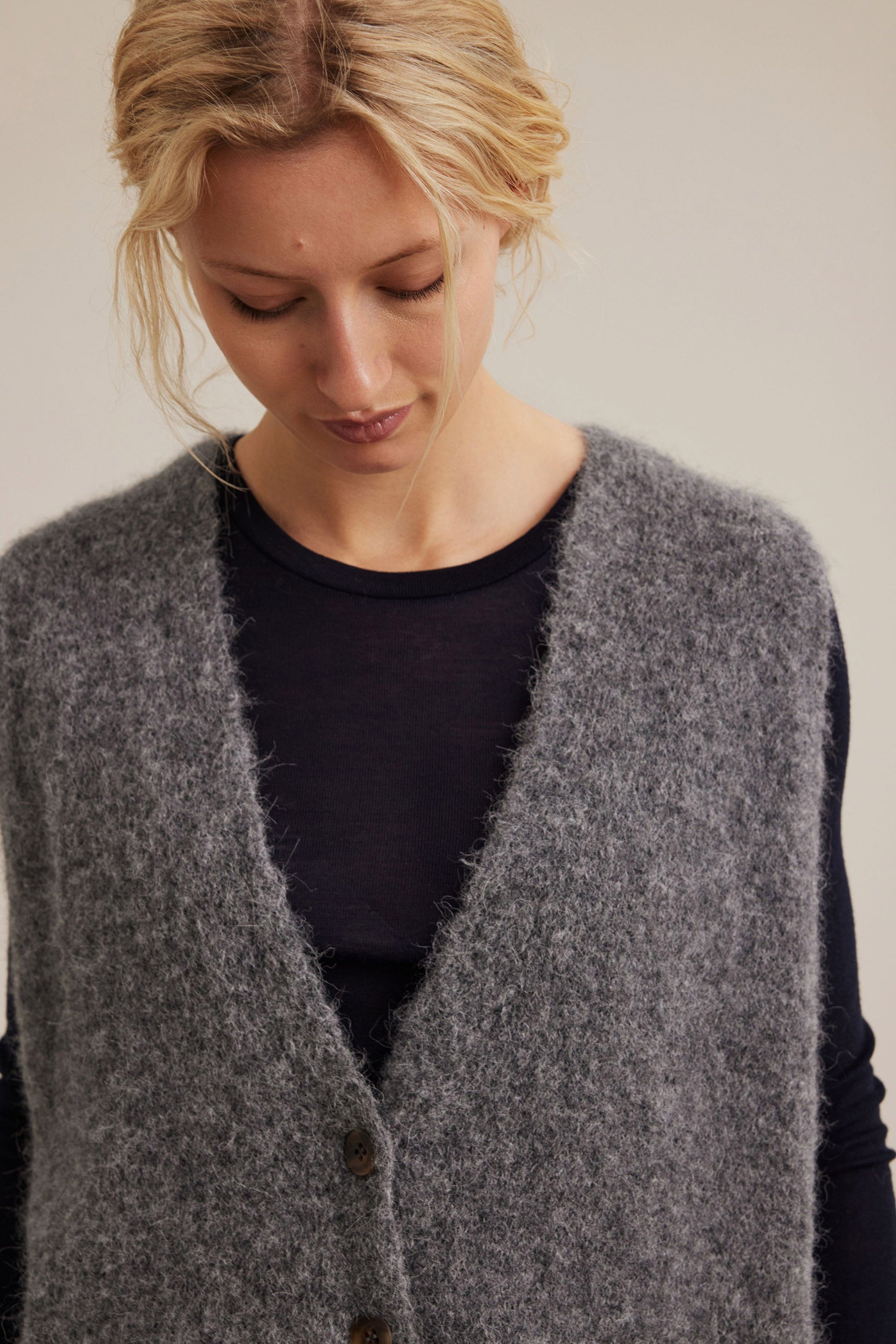
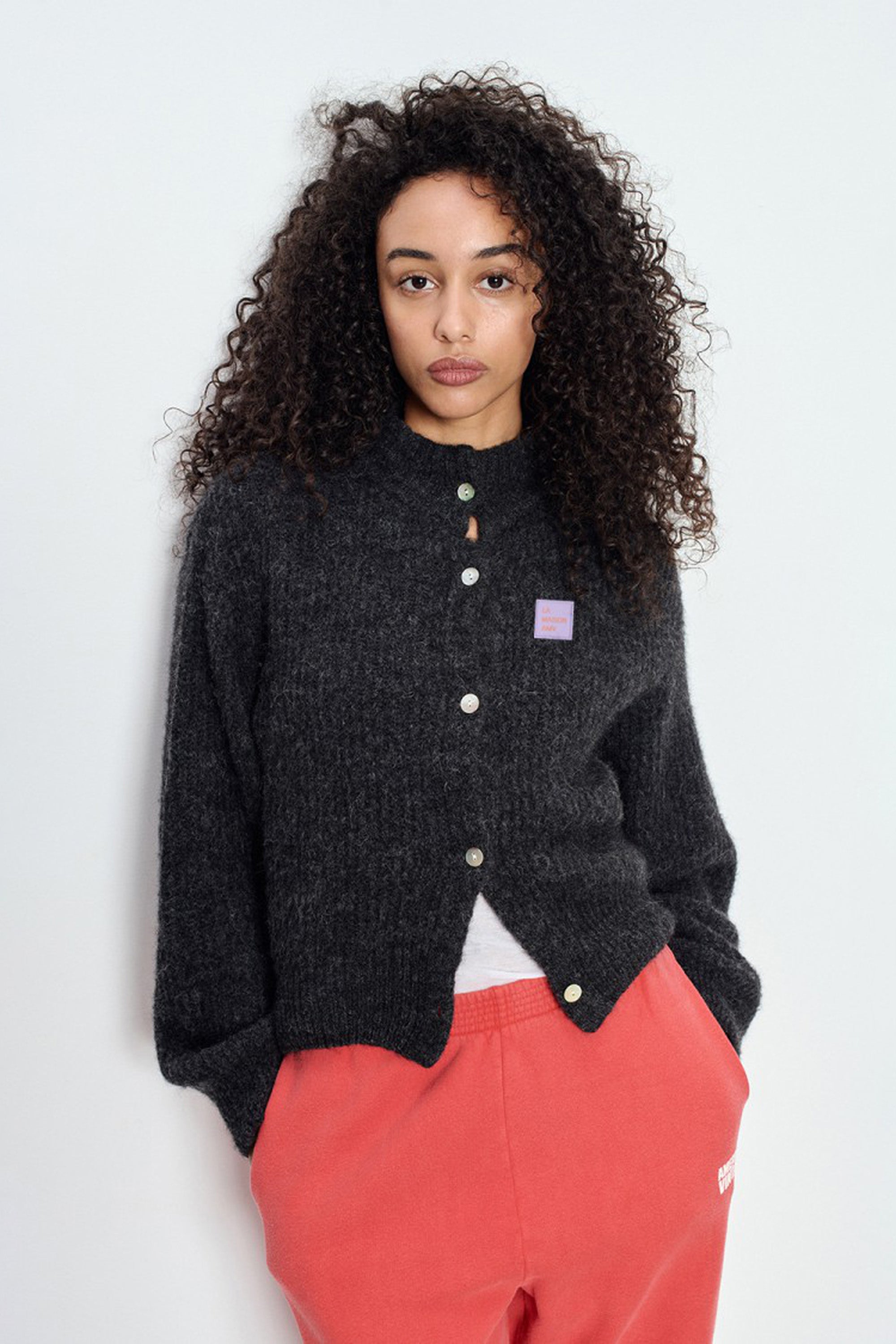
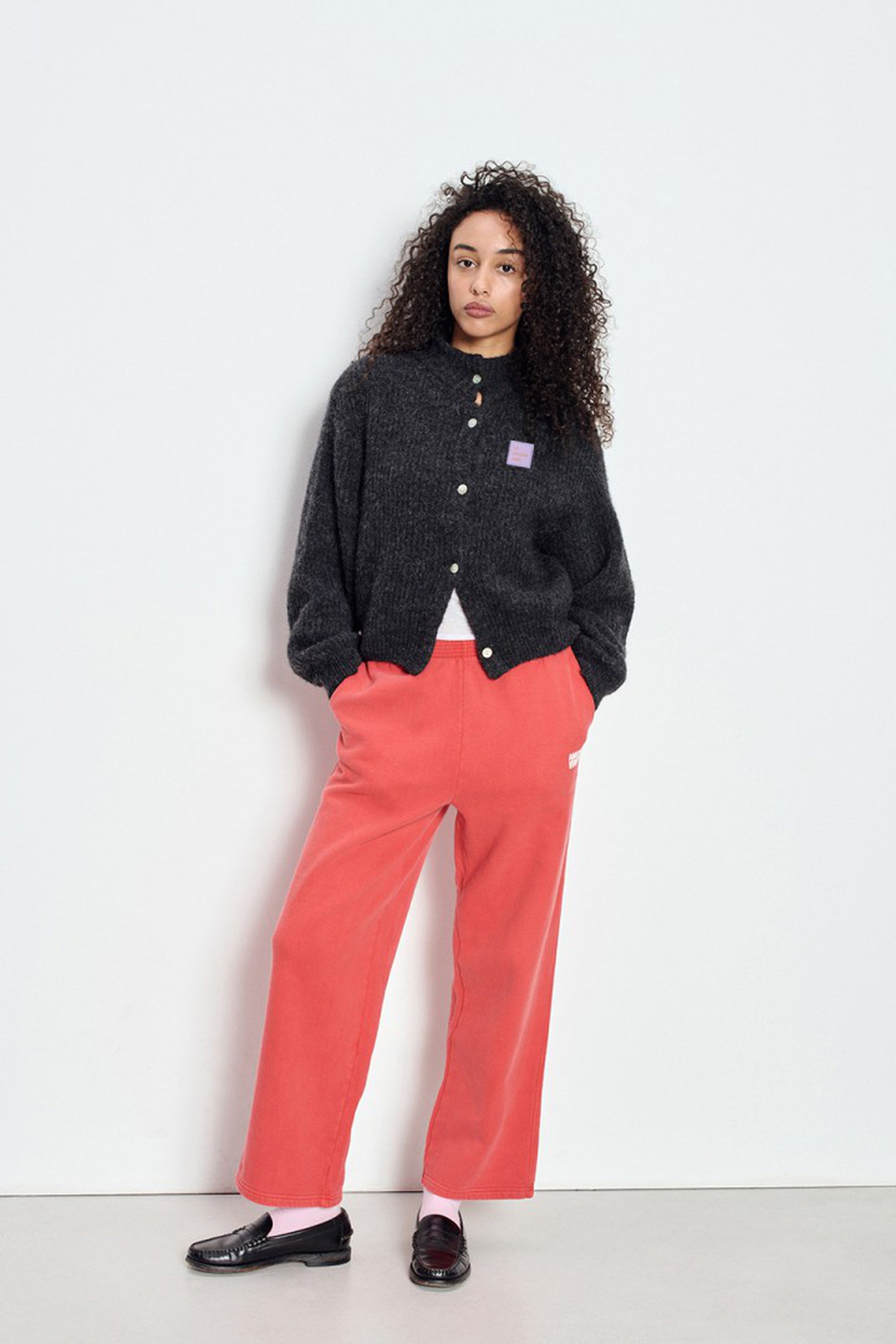
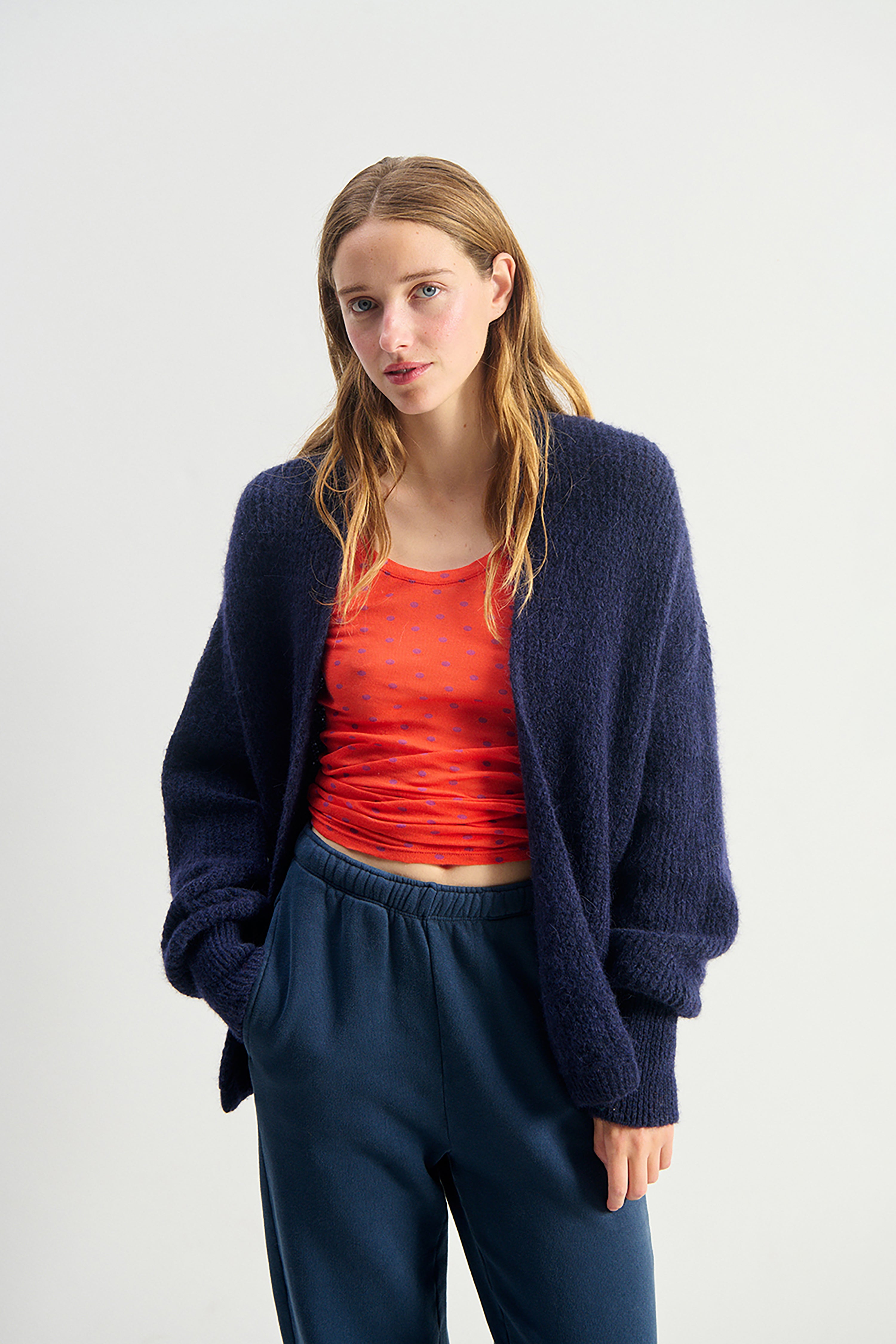
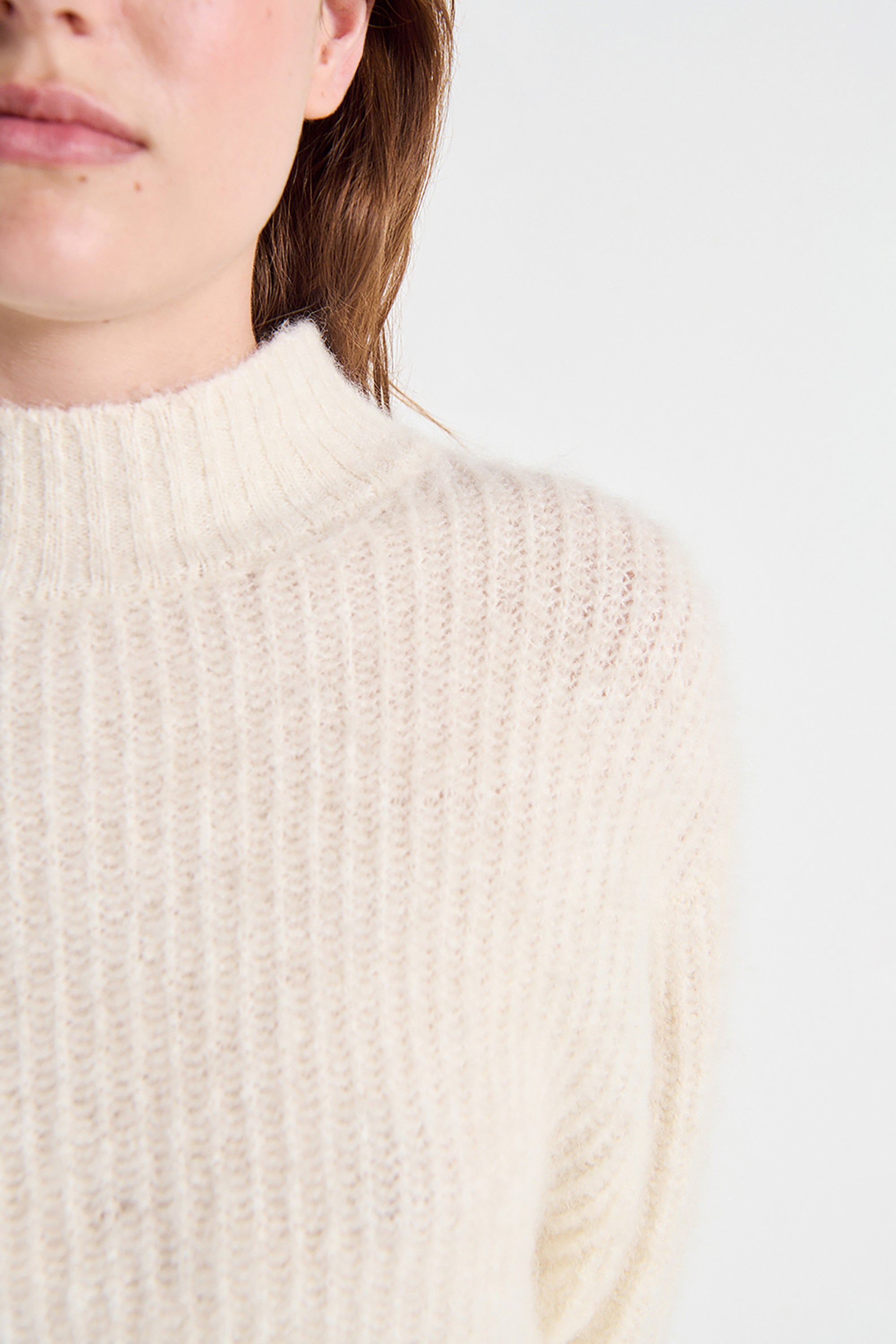
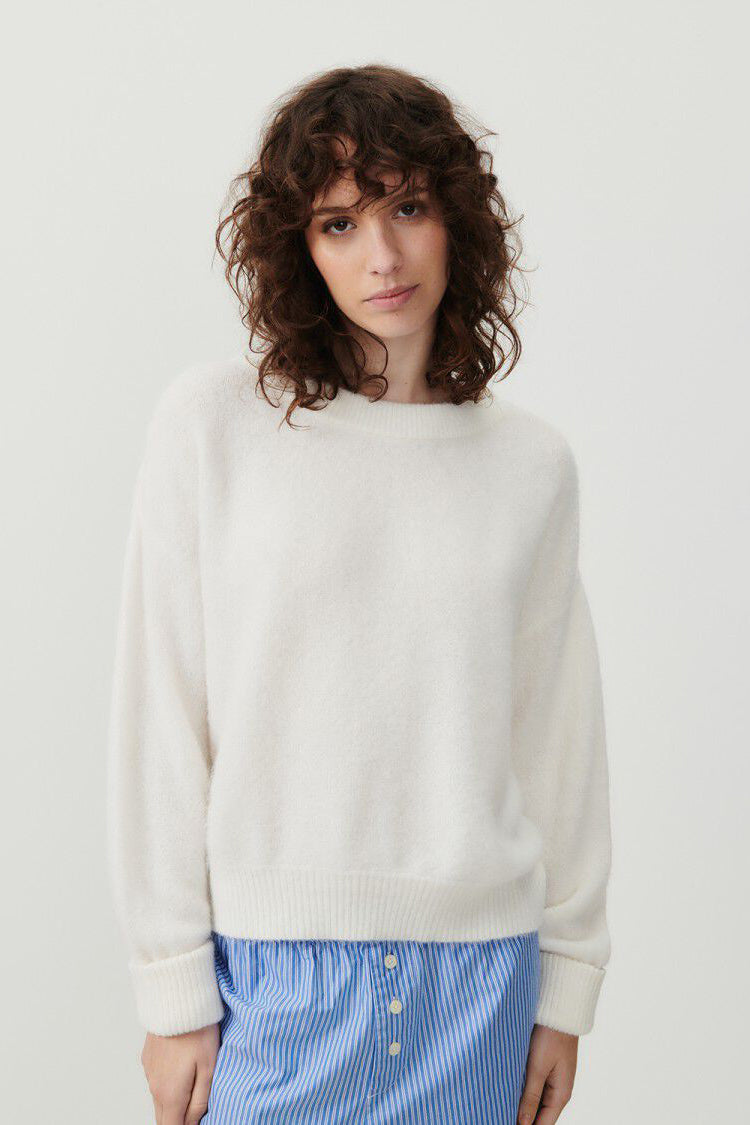
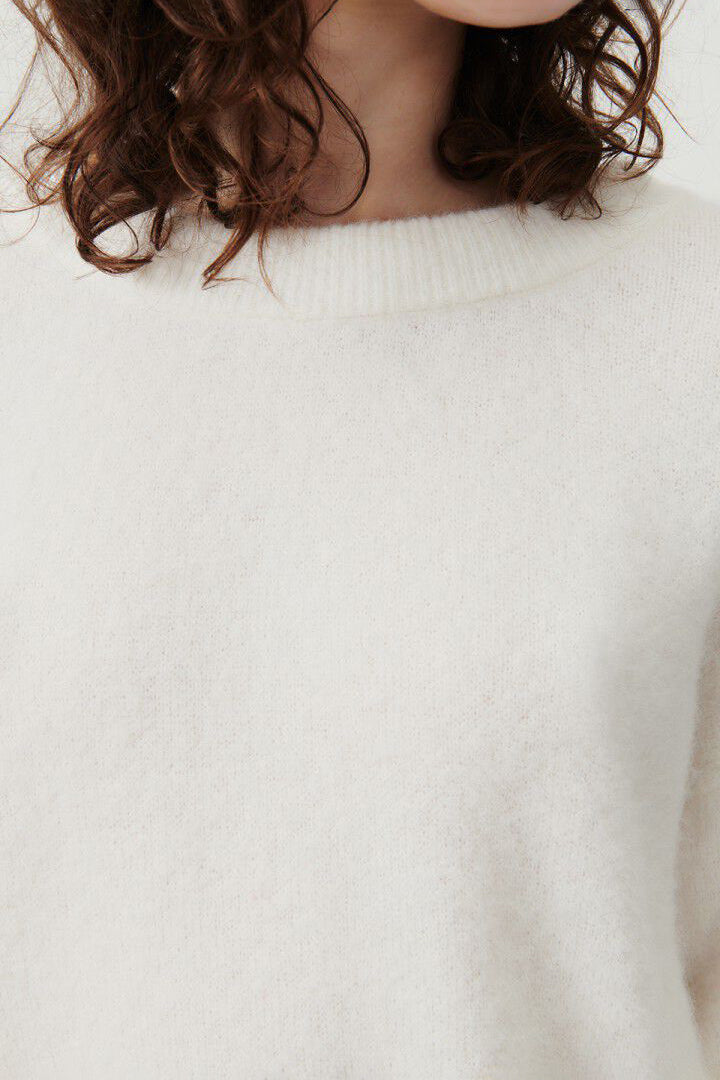
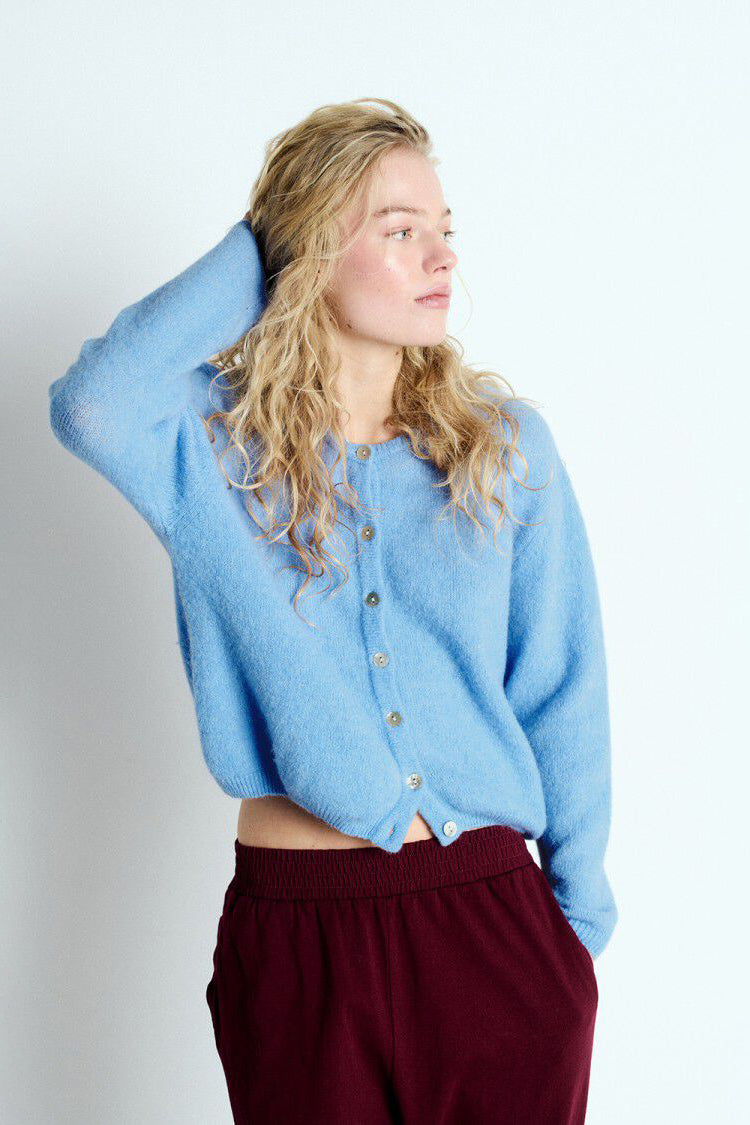
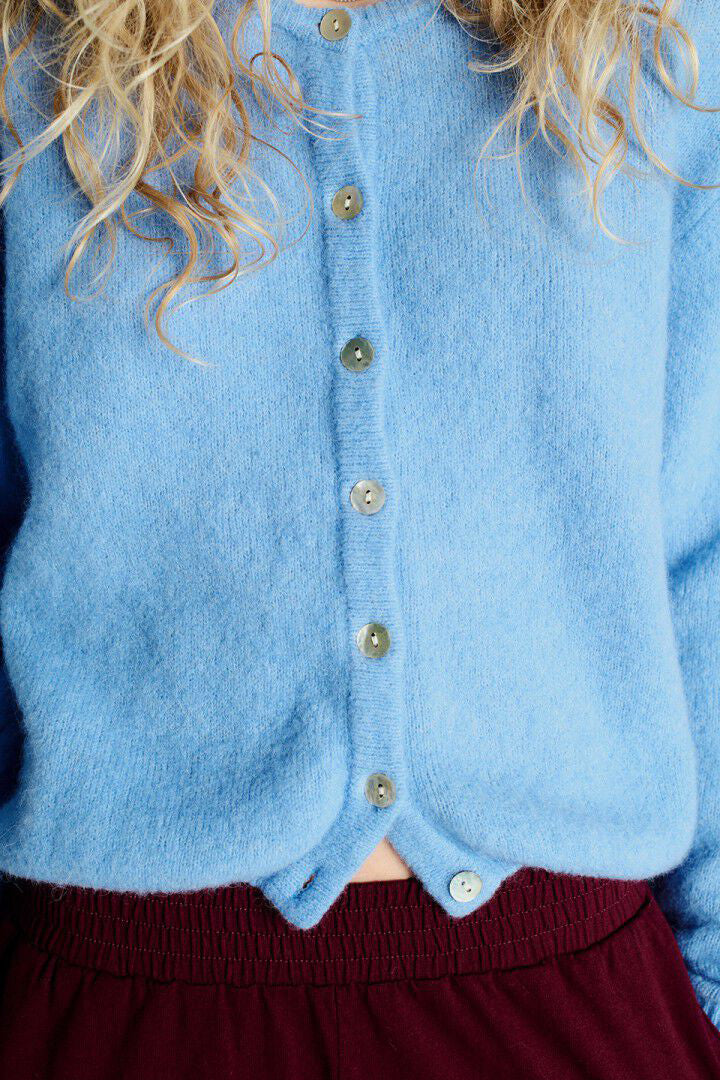
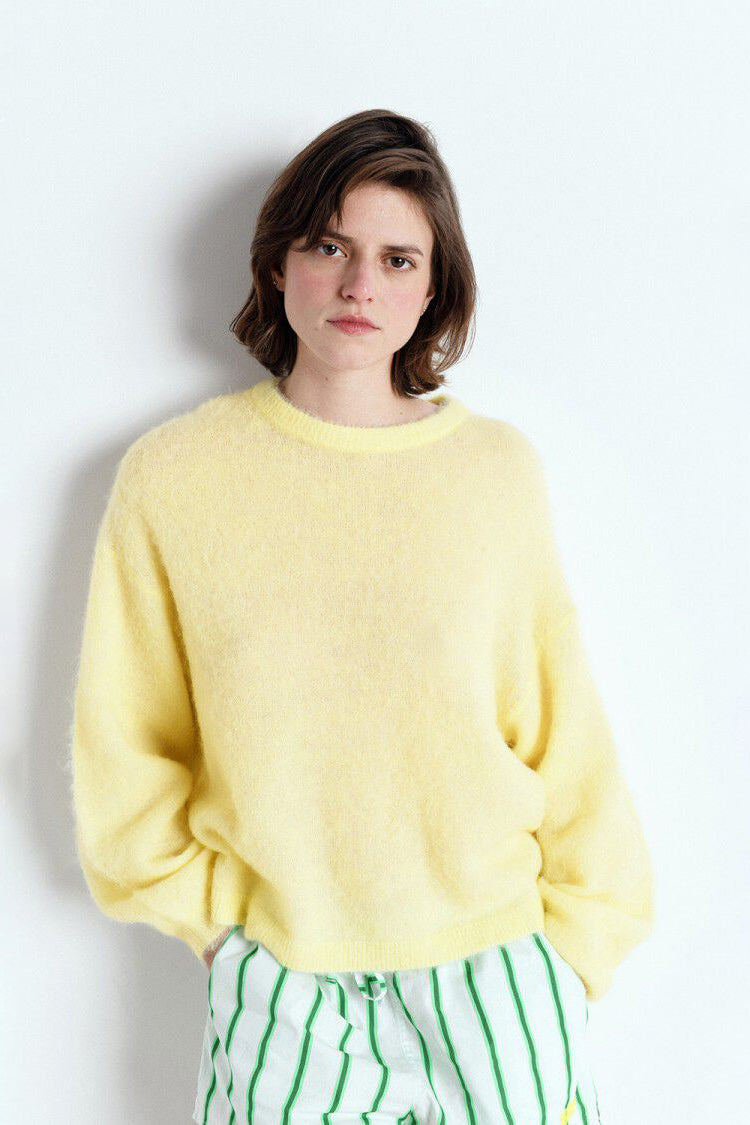
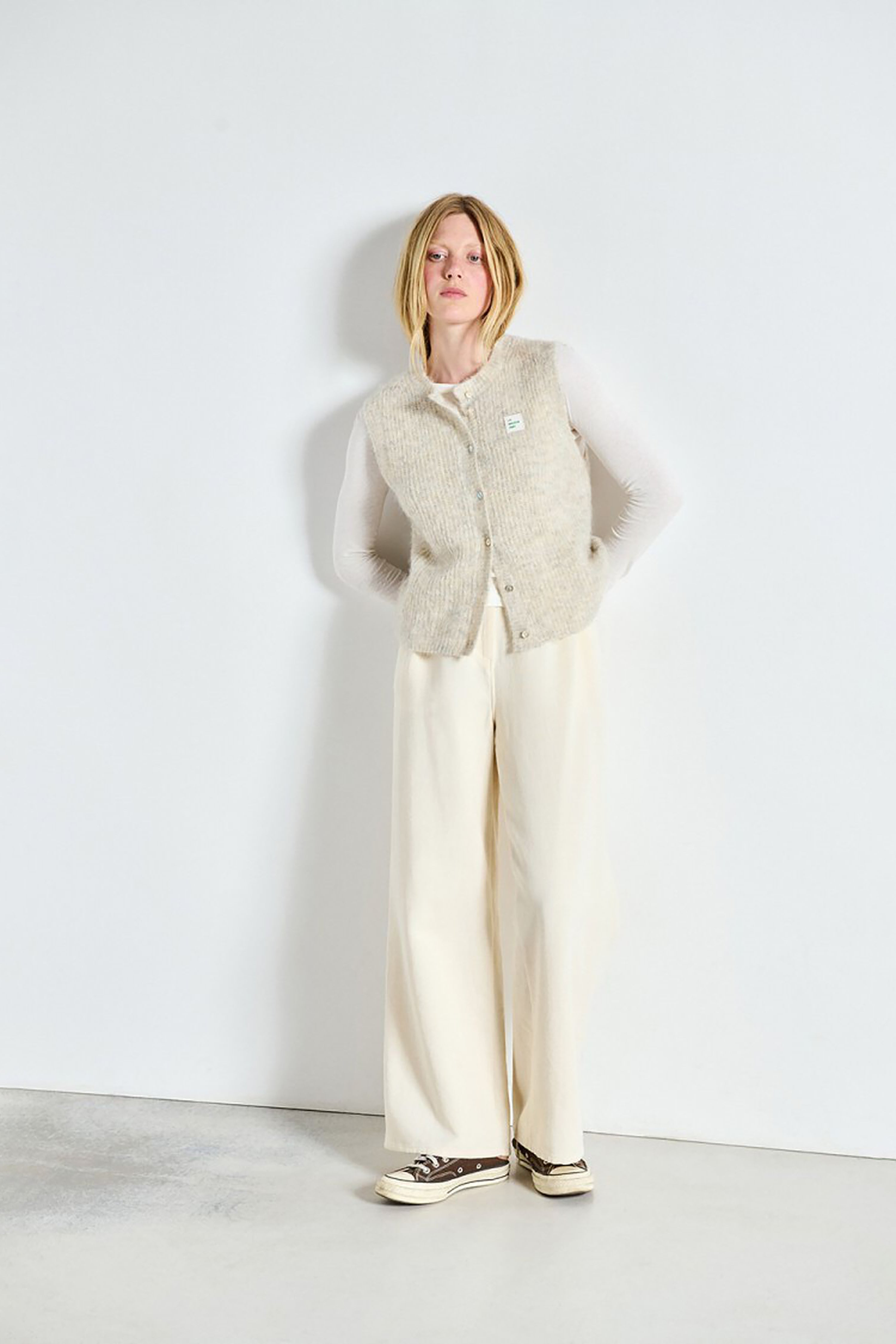
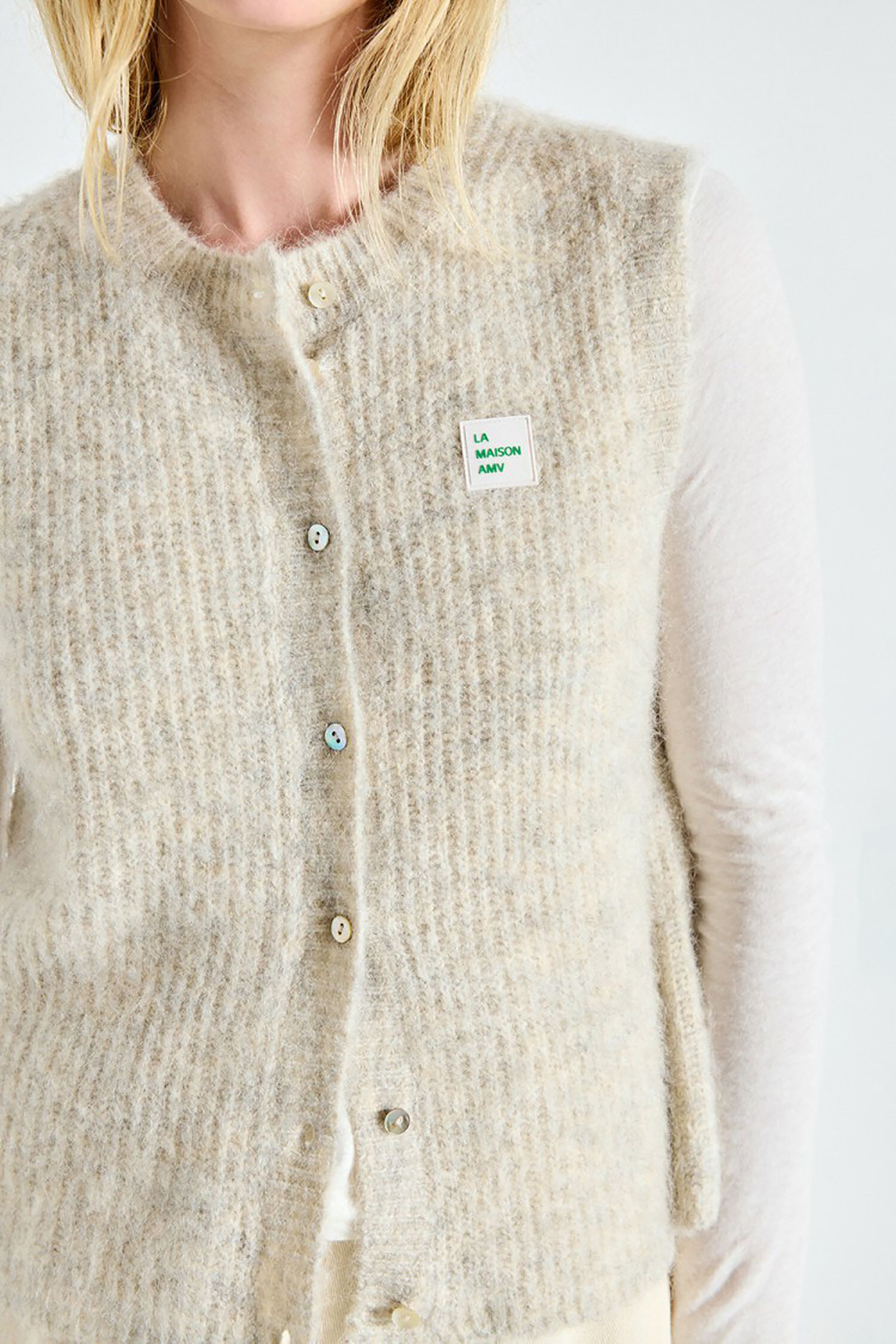
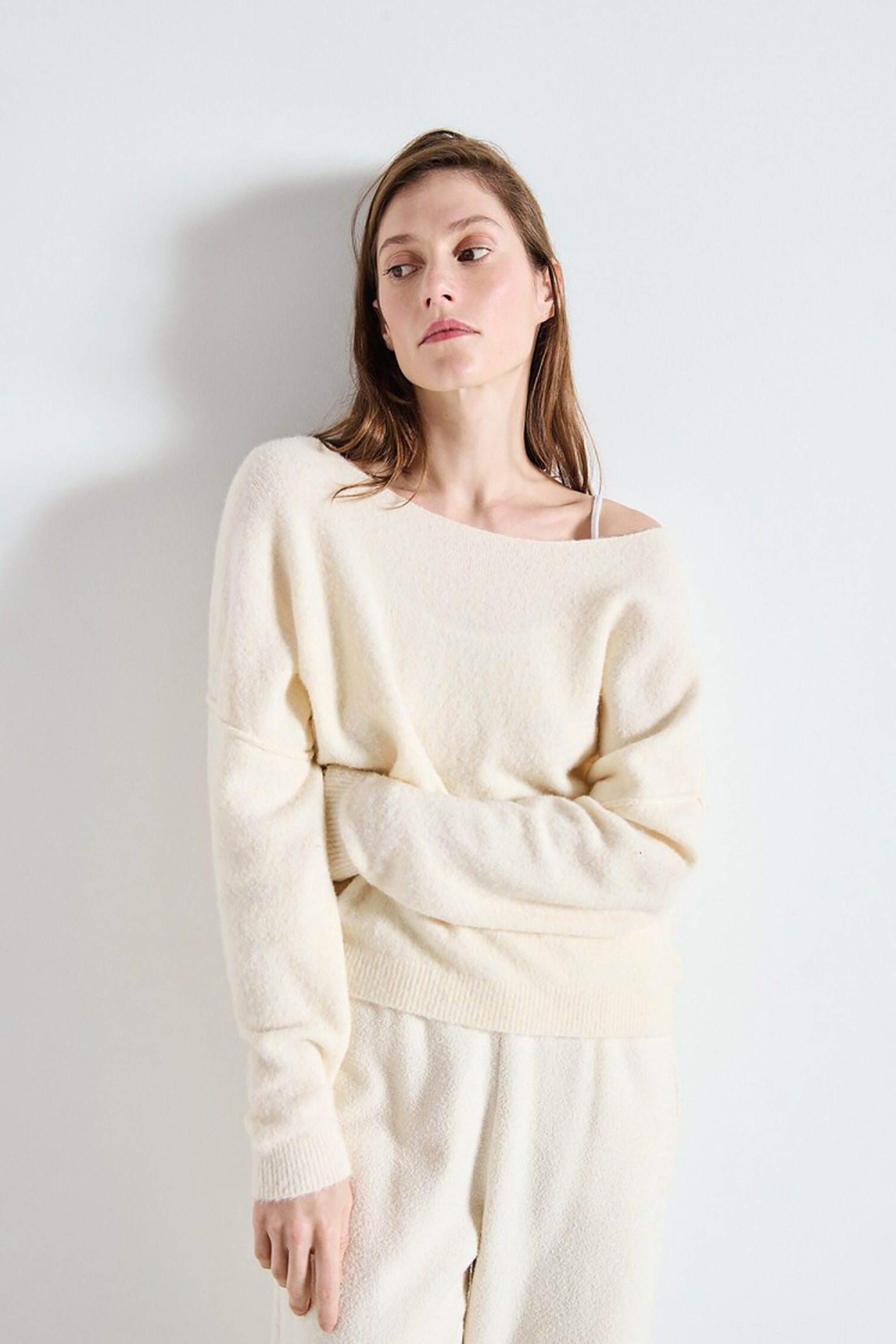
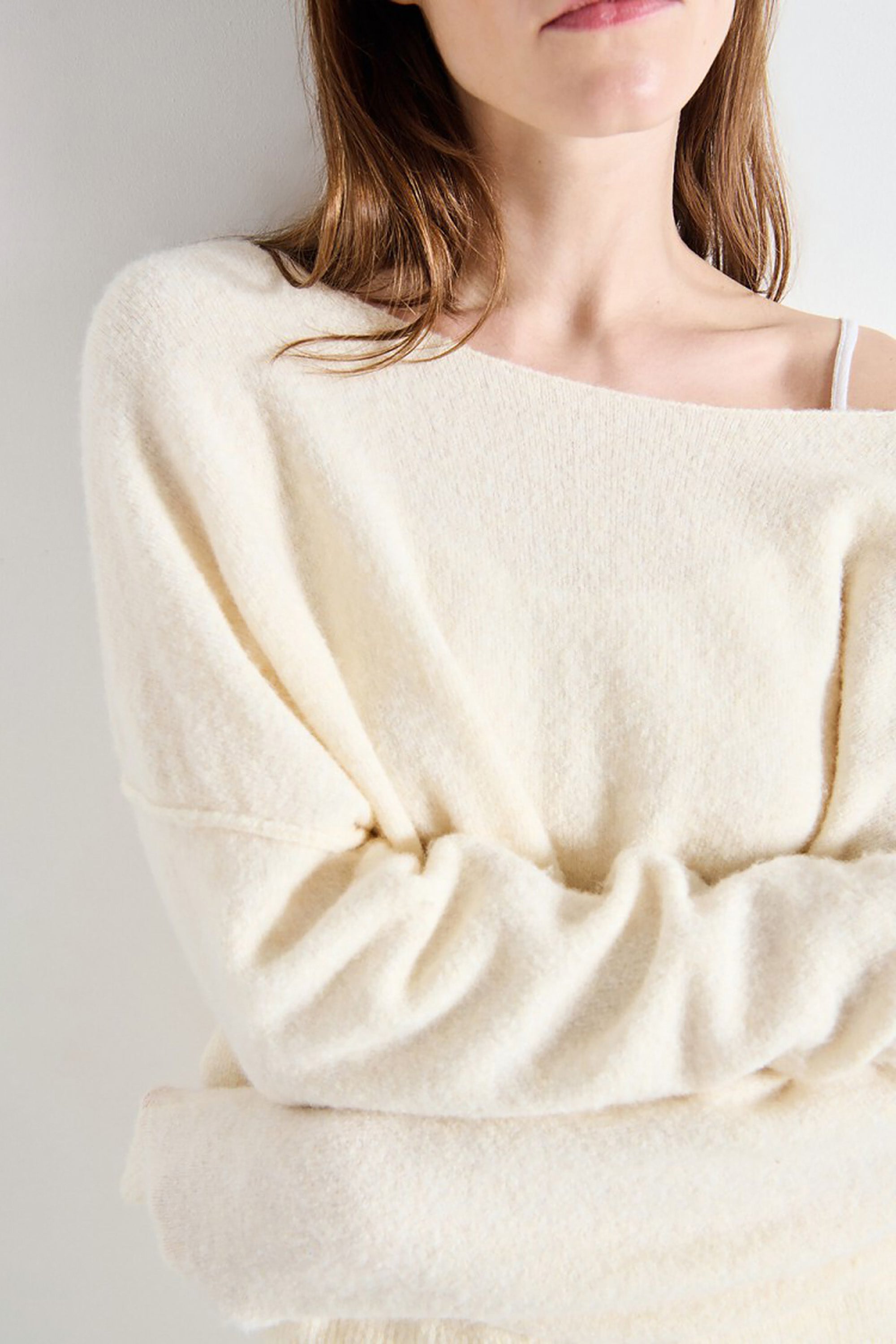
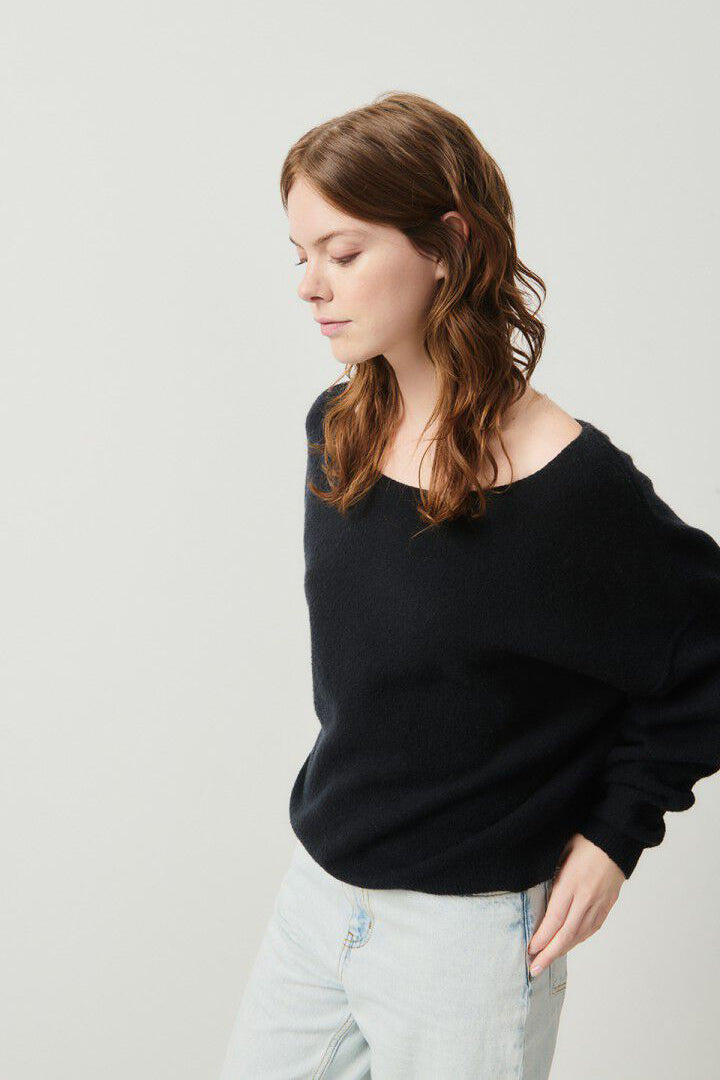
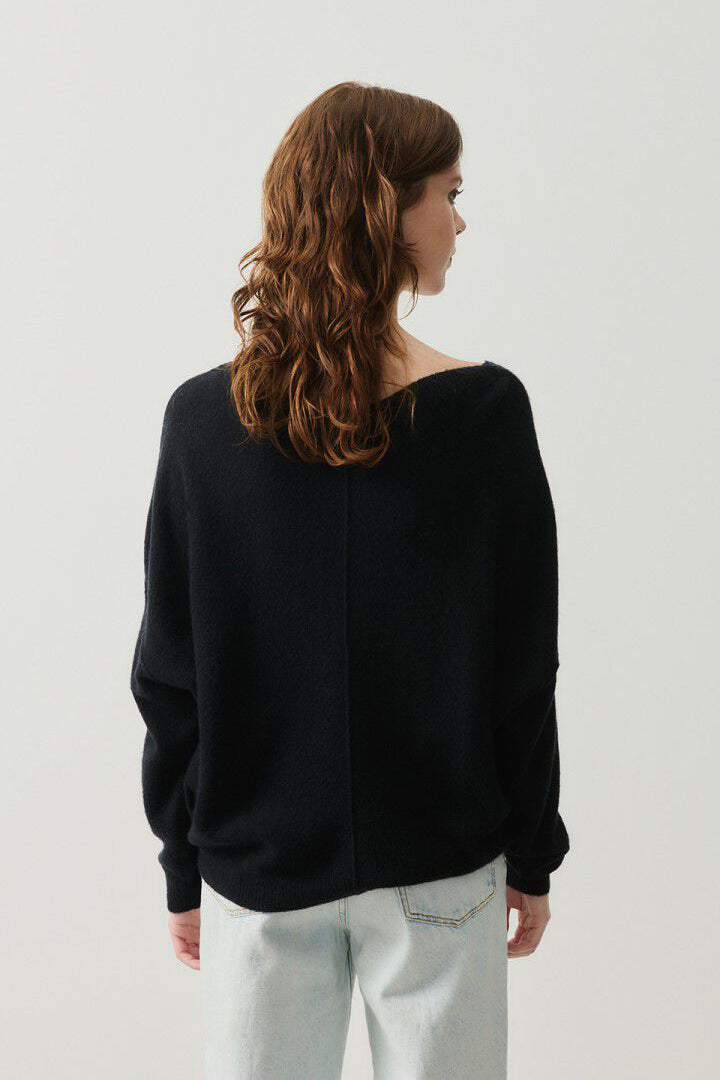
Find your new favourite knitwear here
Knitwear













More from our journal

Founded in 2020 in Sweden by Isabelle and Cajsa, Muli Collection stands out as a thoughtful contemporary jewellery label with a clear sense of purpose and style. From the beginning the brand has be...
Meer informatie
Gifting, at its best, is an act of attention. It is shaped by observation rather than urgency, by understanding rather than excess. The most successful gifts are not impressive in the moment, but e...
Meer informatie
Discovering ba&sh is discovering a confident kind of ease. The Parisian label is known for designs that feel feminine without effort, expressive without excess. At RUM, we curate ba&sh for ...
Meer informatie